

Why Silica Is The Secret To Flexible Arteries And Vascular Resilience
We all feel the weight of aging when small movements start to reveal joint stiffness or when we catch a glimpse of thinning hair in the mirror. These physical changes often mirror what happens deep inside our vascular system as structural integrity begins to shift over time. Understanding the role of silica in maintaining artery elasticity helps clarify how our bodies preserve structural strength beneath the surface.
Silicon based compounds play a quiet yet significant part in the development of connective tissues throughout the human body. As a trace mineral, it acts as a foundational element that influences how blood vessels retain their shape and responsiveness during normal circulatory flow. The research suggests that adequate levels of this mineral are linked to the structural health of vessel walls.
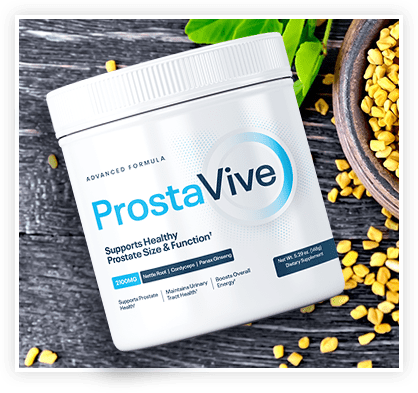
Prostavive™ Nutritional Support Formula
- Designed to support natural urinary rhythm and maintain normal nighttime habits
- Helps sustain uninterrupted rest and daily comfort against fragmented sleep
- Manufactured in a cGMP-compliant, FDA-registered facility without harsh synthetics
The role of silica in maintaining artery elasticity involves supporting the synthesis of collagen and elastin fibers within the vascular wall. By fostering cross linking between these fibers, this mineral helps arteries remain pliable rather than becoming rigid or brittle. This structural support is essential for accommodating natural fluctuations in blood pressure throughout the day.
Key Takeaways
- Structural Integrity: Silicon is found in concentrations of 50 to 100 milligrams in a healthy adult body, primarily located in connective tissues.
- Elastic Fiber Support: Studies indicate that arterial walls with higher silicon content often exhibit greater structural resilience compared to those with lower levels.
- Nutrient Interaction: Proper assimilation of this mineral requires a balance of other trace elements to support normal tissue turnover.
Defining The Role Of Silica In Maintaining Artery Elasticity
Arteries are not simple pipes but dynamic structures that expand and contract with every heartbeat. This flexibility relies on a complex matrix of collagen and elastin proteins. When these proteins degrade, vessels lose their ability to adapt to changes in flow.
Silicon acts as a biological cross linker for these proteins. It anchors the structural components of the vessel wall together, providing a framework that prevents sagging or hardening. Scientific literature from the National Institutes of Health confirms that silicon is vital for the development and maintenance of connective tissue health.
Maintaining adequate levels of this mineral does not force the body to change, but it provides the materials necessary for normal maintenance. Without enough of this element, the production of high quality collagen may stall. This results in vessels that are less capable of sustained expansion.
| Mineral Feature | Primary Function | Biological Impact |
| Structural Support | Encourages cross linking | Maintains vessel shape |
| Tissue Synthesis | Supports collagen production | Boosts wall flexibility |
| Vascular Resilience | Promotes elastin stability | Reduces wall rigidity |
Sources And Dietary Integration
Incorporating more silicon into a daily routine does not require complex protocols. It is naturally abundant in many plant based foods that are already staples in a balanced diet. Focus on whole grains, root vegetables, and legumes to ensure a consistent supply.
Oats, barley, and brown rice represent some of the most concentrated grain sources. Leafy greens also provide trace amounts that contribute to total daily intake. Data from the Department of Agriculture emphasizes the bioavailability of silicon found in unrefined plant foods compared to processed alternatives.
For those who struggle with diet consistency, certain mineral rich water sources may offer an alternative. These waters often contain orthosilicic acid, which is highly soluble and easily absorbed. Small, consistent additions to a routine are better than occasional large doses.
Practical Examples Of Vascular Support
Imagine the arterial wall as a high quality rubber band. When new, it snaps back easily after being stretched. Over many years, if it lacks the proper cross linking material, it becomes stretched out and prone to micro tears.
Consider an individual who shifts from a diet of refined flour to one rich in whole grains and vegetables. They provide their body with the necessary silicon, magnesium, and vitamin C. These act as a team to support the connective tissue matrix. Research published by the National Library of Medicine shows that nutrient rich patterns correlate with higher markers of vascular health over time.
This is not a quick fix but a long term strategy for resilience. One might add a serving of oats to their breakfast or swap a potato for a serving of brown rice. These small actions provide the building blocks that allow the vascular system to perform its duties with ease.
Frequently Asked Questions
How does silicon specifically influence blood vessel walls?
Silicon is incorporated into the extracellular matrix where it facilitates the formation of strong collagen networks. This process ensures that the walls of the arteries remain flexible and able to withstand the constant pressure of circulating blood. Without sufficient silicon, these networks can become thin or disorganized, potentially leading to reduced vascular compliance over many years.
Are there common symptoms of low silicon intake?
Unlike some vitamins, there is no acute deficiency syndrome for silicon that manifests in immediate symptoms. However, many individuals with lower intake levels report changes in the strength of their nails, the texture of their hair, and general joint comfort. Over the long term, these physical signs may correlate with a diminished ability to maintain structural connective tissues throughout the body.
Can diet alone provide enough silicon for arterial health?
A diet focused on unrefined grains, legumes, and specific root vegetables is often sufficient to meet the body’s needs for silicon. By consuming a wide variety of plant foods, individuals typically access the necessary minerals for tissue maintenance. Many experts suggest that focusing on food sources ensures the presence of cofactors that improve mineral absorption.
Does age affect how the body uses silicon?
As the body ages, the efficiency of absorbing and utilizing minerals like silicon can naturally decline. This makes the quality of dietary choices even more important during the later stages of life. Prioritizing foods that are naturally dense in trace minerals can help compensate for these natural changes in metabolic efficiency.
Is it possible to consume too much silicon?
Silicon is generally considered safe when obtained through standard food sources. While concentrated forms exist, there is little evidence to suggest that excessive intake from natural foods causes adverse outcomes. Nevertheless, moderation remains a smart approach when introducing any concentrated mineral supplement to a routine.
The Bottom Line
Understanding the role of silica in maintaining artery elasticity provides a clearer picture of how connective tissues preserve vascular function. By supporting the structural integrity of collagen and elastin, this mineral acts as a quiet guardian for the circulatory system. Resilience is built through the consistent, long term consumption of nutrient dense, plant based foods.
To support your vascular health, start by incorporating more whole grains and root vegetables into your daily meals. Observe how these shifts influence your overall vitality and physical comfort. Never stop or change any medication without consulting the provider who recommended it. Consult a licensed healthcare provider before starting any new wellness routine.
Individuals with existing kidney conditions or those currently under medical supervision for vascular issues should exercise caution with mineral supplementation. Consult a licensed healthcare provider before starting any new wellness routine.
Get Your FREE Natural Health Guide!
Subscribe now and receive our exclusive ebook packed with natural health tips, practical wellness advice, and easy lifestyle changes, delivered straight to your inbox.