
Understanding The Deep Connection Between Perimenopause And Sudden Blood Pressure Spikes
Many women notice their bodies responding differently to stress as they navigate their late thirties and forties. These shifts often manifest as unexpected cardiovascular changes that feel both jarring and confusing. Wellness research highlights how hormonal flux influences these systemic responses.
The connection between perimenopause and sudden blood pressure spikes stems from declining estrogen levels that impact the lining of blood vessels. When these protective hormones wane, the body loses some of its natural ability to manage vessel relaxation. This shift can lead to rapid, intermittent surges that individuals might mistake for situational anxiety.
Sudden blood pressure increases during the transition to menopause occur because fluctuating estrogen levels disrupt the vascular system’s ability to regulate tension. This often manifests as temporary, sharp elevations that correlate with hormonal cycles or periods of heightened stress. These spikes are fundamentally tied to the loss of estrogen’s supportive role in maintaining arterial flexibility.
Key Takeaways
- Hormonal Influence: Estrogen helps relax arterial walls, and its decline can lead to a 10 to 15 percent increase in vascular resistance for some individuals.
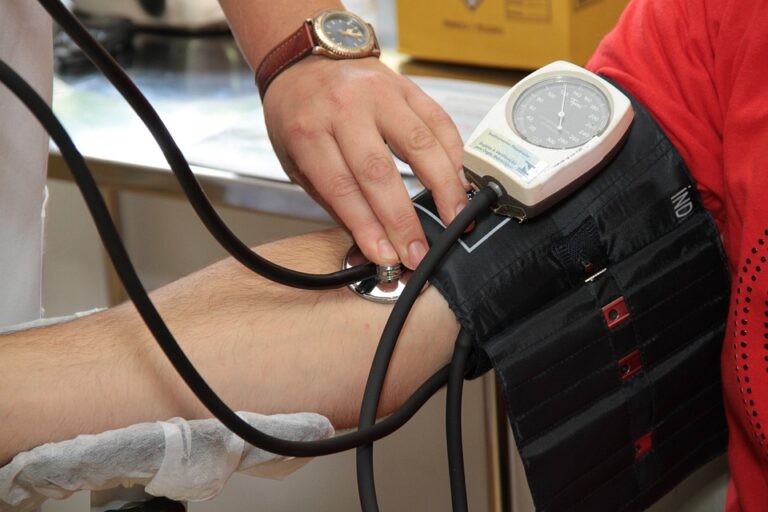
- Measurement Ranges: A clinical reading consistently above 130/80 mmHg is often flagged for follow-up according to official government guidance on heart health.
- Symptom Correlation: Research indicates that roughly 20 percent of perimenopausal women experience intermittent cardiovascular fluctuations during their transition years.
Factors Influencing Vascular Stability
The cardiovascular system relies on a delicate balance of signals to maintain healthy pressure levels. During the transition years, the interplay between the autonomic nervous system and declining hormone levels becomes more erratic. This makes the body less efficient at buffering sudden changes in demand.
Stress management becomes a primary pillar for maintaining balance during these years. When the body faces a demand for adrenaline, the lack of estrogen can result in a more pronounced vascular response. This often creates a feedback loop where the physical symptom increases mental strain.
| Factor Type | Primary Effect | Impact Level |
|---|---|---|
| Estrogen Decline | Vessel tightening | Significant |
| Sodium Sensitivity | Fluid retention | Moderate |
| Stress Response | Heart rate surge | High |
The Mechanics Of A Vascular Surge
Understanding how a surge happens allows individuals to identify their own patterns. The process often begins with a trigger that releases stress hormones into the bloodstream. In a pre-menopausal state, the body counters this effectively with sufficient estrogen-driven vasodilation.
Without those steady hormones, the smooth muscle surrounding the arteries contracts more readily. This leads to a quick spike in pressure that dissipates once the stressor passes. Detailed investigations from the National Library of Medicine support the importance of monitoring these trends closely.
Practical Framework For Daily Observation
Establishing a record of your health metrics provides clarity in a sea of changing signals. Use this three-step approach to gain awareness of your own unique patterns.
- Consistent Timing: Measure your levels at the same time each morning before caffeine intake.
- Context Logging: Note potential stressors or sleep quality alongside each reading to look for links.
- Trend Analysis: Look for sustained patterns over a two-week period instead of reacting to a single data point.
Lifestyle Adaptations For Vascular Support
Supporting heart health involves focusing on sustainable habits that assist the body through this transition. Dietary choices play a pivotal role in how blood vessels handle daily pressure demands. Resources from the Centers for Disease Control underscore that consistent lifestyle adjustments form the foundation for long-term health.
- Potassium Intake: Foods like leafy greens and sweet potatoes assist in balancing sodium levels within the body.
- Hydration Habits: Consistent water intake supports total blood volume regulation throughout the day.
- Movement Consistency: Low impact activities like walking encourage blood flow without placing excess strain on the heart.
Frequently Asked Questions
Does alcohol contribute to these spikes?
Alcohol consumption frequently causes temporary increases in heart rate and systemic pressure. During perimenopause, the body’s sensitivity to these effects often increases due to hormonal changes.
Individuals may notice that even small amounts of evening wine trigger disrupted sleep or morning fluctuations. Reducing intake can clarify if these habits are linked to personal cardiovascular variability.
Can sleep quality impact these readings?
Sleep deprivation acts as a major stressor that triggers a natural rise in cortisol and other chemicals. When the body does not receive enough rest, the cardiovascular system remains in a heightened state of alertness.
This often results in higher baseline levels and increased reactivity during the day. Addressing sleep hygiene is a fundamental step in supporting your overall vascular stability.
Is salt intake more critical now?
Midlife hormonal shifts can make the body more sensitive to sodium retention. This extra fluid volume inside the vessels naturally creates more pressure on the arterial walls.
Modifying intake to emphasize fresh, whole foods often helps mitigate this effect. Small reductions in processed items can lead to noticeable changes in internal feedback within a few weeks.
Do hot flashes mimic these surges?
Hot flashes involve a surge in blood flow to the skin to release heat, which changes heart rate patterns temporarily. While these feelings may overlap with sudden pressure changes, they involve different biological triggers.
It remains useful to monitor both symptoms separately to differentiate between thermal regulation and vascular tension. Keeping a simple log helps identify when one symptom influences the other.
Should I monitor these levels daily?
Tracking is only useful if it informs healthy habits rather than creating anxiety. A regular check, perhaps three times per week, is usually sufficient to see broader trends.
Focus on the general direction of your data rather than chasing a specific number each day. Use these insights to prompt meaningful conversations with your healthcare team about your long-term wellness strategy.
The Bottom Line
The connection between perimenopause and sudden blood pressure spikes is a common byproduct of the body’s shifting hormonal environment. Understanding these fluctuations allows for a more proactive approach to maintaining cardiovascular health during this transition.
Focus on consistent lifestyle habits, regular monitoring, and clear communication with your wellness team. Never stop or change any medication without consulting the provider who recommended it. Consult a licensed healthcare provider before starting any new wellness routine.
Get Your FREE Natural Health Guide!
Subscribe now and receive our exclusive ebook packed with natural health tips, practical wellness advice, and easy lifestyle changes, delivered straight to your inbox.