

Why Boron Matters for Calcium Retention in Your Bones
Many of us feel the slow creep of stiffness in our joints or worry about the long term structural integrity of our skeletons as we age. We often prioritize vitamin D or calcium intake without considering the minor minerals that act as silent partners in the process. Paying attention to these subtle nutritional needs helps maintain a more resilient physical frame over time.
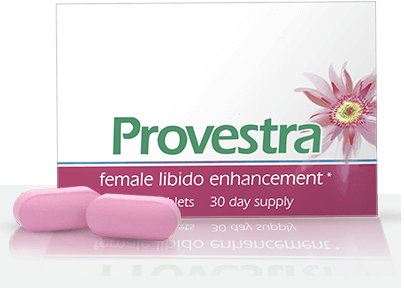
Provestra™ Women's Vitality Formula
- 100% herbal daily formula designed to support foundational female health and natural intimate wellness
- Provides botanical support for physical comfort, natural moisture, and emotional balance
- Doctor-approved capsule manufactured in a cGMP-compliant facility without synthetic hormones
Understanding the role of boron in preventing calcium excretion begins with recognizing how our bodies process essential minerals. Boron acts as a biological gatekeeper that helps regulate the internal environment of our bones and tissues. By influencing how the kidneys handle calcium, this mineral ensures that our hard tissues remain stable instead of losing vital density through waste.
The role of boron in preventing calcium excretion involves moderating the activity of parathyroid hormones and vitamin D metabolism to reduce mineral loss in the urine. This interaction preserves the calcium supply available for bone maintenance and structural support. Research from the National Institutes of Health suggests that boron status influences the retention of these key skeletal nutrients.
Key Takeaways
- Mineral Balance: Daily intakes of 3 to 6 milligrams are often cited in research for supporting bone mineral density.
- Retention Rates: Adequate boron levels can reduce the urinary excretion of calcium by up to 40 percent in some study groups.
- Hormonal Synergy: Boron supports the metabolism of steroid hormones which are essential for bone turnover and repair.
Comparing Trace Mineral Impacts On Bone Health
| Mineral | Primary Role | Retention Impact |
|---|---|---|
| Boron | Regulates minerals | Reduces calcium loss |
| Magnesium | Supports structure | Aids mineral transport |
| Vitamin D | Absorbs calcium | Enhances mineral uptake |
The Role Of Boron In Preventing Calcium Excretion Through Dietary Pathways
Our daily food choices provide the most consistent way to maintain adequate boron levels for skeletal health. Many common plants absorb this mineral directly from the soil, making a varied diet quite effective for steady intake. Science from the University of California highlights how varied soil quality impacts the concentration of boron in our produce.
Focusing on high-density sources ensures that the body has enough to manage mineral retention effectively. Fruits and nuts often lead the list of natural sources. Aiming for consistent servings throughout the week rather than large, sporadic doses creates a stable biological baseline.
- Dried Fruits: Raisins and prunes contain high concentrations of bioavailable minerals.
- Legumes: Chickpeas and lentils provide a steady stream of boron alongside other heart-friendly nutrients.
- Nut Varieties: Almonds and hazelnuts offer significant amounts of these trace elements per serving.
Demonstrating Nutritional Synergy In Daily Practice
Building a mineral-supportive menu requires observing how different nutrients work together rather than focusing on a single ingredient. One practical strategy involves pairing boron-rich foods with calcium-heavy staples to create a balanced internal environment. Data from the U.S. Department of Agriculture supports the concept that diverse intake patterns improve overall micronutrient status.
Consider this simple framework for your daily nutritional rotation. By selecting foods that provide the necessary cofactors for bone health, you effectively assist your body in managing its mineral stores. Avoid relying on highly processed items which often lack these trace elements entirely.
- Morning Routine: Add a handful of walnuts or almonds to your breakfast to secure a baseline of trace minerals.
- Midday Selection: Incorporate chickpeas into a salad to continue supporting the kidney-related retention processes.
- Evening Balance: Finish the day with a serving of dried fruit to maintain steady mineral levels through the night.
Frequently Asked Questions
How does boron change the way the kidneys filter calcium?
Boron influences the chemical signaling pathways that dictate which minerals stay in the bloodstream and which are marked for removal. By modulating these signals, it essentially lowers the threshold at which the kidneys permit calcium to pass into the urine.
This mechanism acts as a protective buffer for the skeletal system. When boron is present in sufficient amounts, the body is better able to hold onto the minerals it needs to maintain density and strength. It serves as an internal regulator that prevents the unnecessary flushing of vital building blocks.
Can too much boron cause the opposite effect on calcium?
Taking extreme amounts of any trace mineral rarely leads to improved outcomes and may interfere with other systemic functions. While boron is useful for retention, an excessive intake shifts the biological balance away from its intended state.
Most guidance suggests staying within modest daily limits rather than pursuing high-dose supplementation. Maintaining a moderate intake ensures the body utilizes the mineral correctly without overwhelming its natural feedback loops. Always prioritize whole-food sources to naturally moderate your intake levels.
Are there certain life stages where boron becomes more important?
Bone density naturally changes throughout different phases of human development and maturation. As we reach middle age and beyond, the efficiency of mineral absorption often decreases while the rate of bone mineral turnover increases.
This makes the preservation of existing minerals a higher priority for long-term comfort and resilience. Ensuring that boron is present in the diet helps mitigate the natural loss that occurs as our metabolic processes evolve. Focusing on mineral support remains a smart approach for anyone looking to nurture their physical health over decades.
Does cooking impact the boron content in vegetables?
Heat exposure can alter the bioavailability of many trace minerals found in plant-based foods. Boiling vegetables often leaches these minerals into the cooking water, which is then discarded by most cooks.
Using methods like steaming or roasting helps retain the mineral profile of your ingredients. Consuming a portion of your produce in its raw form also ensures that you receive the full spectrum of available trace elements. Simple adjustments to your preparation habits can significantly increase the total mineral intake from your meals.
What should I watch for when adding boron supplements?
Supplements introduce a concentrated dose that behaves differently than minerals ingested through a varied diet. If you choose to add a supplement, monitor your body for any changes in digestion or unusual sensations in the joints. Never stop or change any medication without consulting the provider who recommended it.
Quality control matters significantly in the supplement industry. Choose products from reputable manufacturers that provide transparency regarding their testing and sourcing. Starting with the lowest available dose allows you to observe how your body responds to the additional input.
The Bottom Line
Maintaining the role of boron in preventing calcium excretion supports the foundational health of your bones. By prioritizing a diverse diet rich in legumes, nuts, and dried fruits, you provide the necessary tools for your body to manage its mineral stores effectively. This simple nutritional adjustment helps create a more stable internal environment for your skeletal structure.
Continue to monitor your overall dietary patterns rather than relying on isolated solutions. Incorporate a wide variety of plant-based foods to ensure consistent trace mineral intake throughout the week. Consult a licensed healthcare provider before starting any new wellness routine.
Get Your FREE Natural Health Guide!
Subscribe now and receive our exclusive ebook packed with natural health tips, practical wellness advice, and easy lifestyle changes, delivered straight to your inbox.