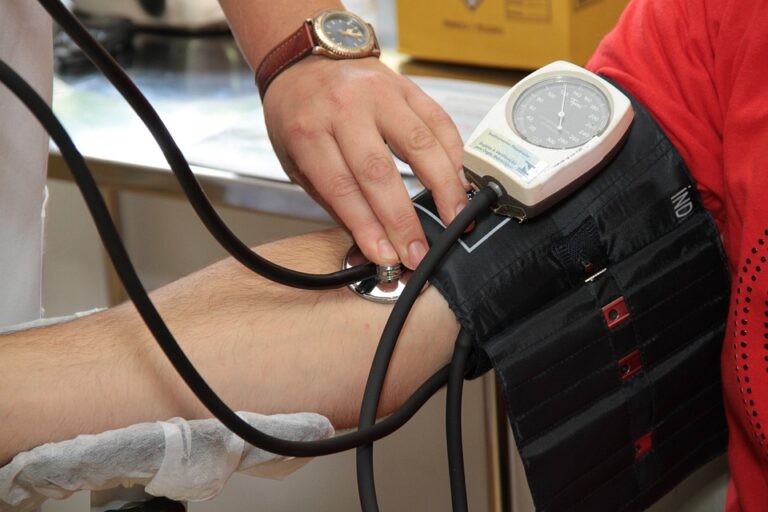

Understanding Why Estrogen Drop Affects Arterial Flexibility In Women
Many women notice subtle changes in their circulation as they move through midlife transitions. These shifts often feel like minor inconveniences, yet they reflect deeper changes in how the cardiovascular system maintains its natural bounce. Research into vascular biology highlights how specific hormones influence the structural integrity of blood vessel walls.
The vessel wall relies on smooth muscle cells and connective tissue to expand and contract efficiently. When hormone levels shift, the signaling pathways that keep these tissues supple face new challenges. Understanding this connection helps clarify why cardiovascular resilience becomes a priority during certain life stages.
How estrogen drop affects arterial flexibility in women centers on the loss of nitric oxide regulation and the resulting increase in vascular stiffness. Estrogen naturally promotes the production of vasodilators that keep arteries soft and responsive to blood flow demands. As these levels decrease, blood vessels may lose some of their inherent elasticity, potentially increasing the pressure required to circulate blood throughout the body.
Key Takeaways
- Nitric Oxide Levels: A significant reduction in circulating estrogen can decrease nitric oxide production by up to 30 percent in some models.
- Arterial Stiffening: Studies show that vascular resistance often increases during the transition to post-menopause as elastin fibers lose structural support.
- Research Link: Data from the National Institutes of Health indicates that hormonal changes are closely tied to age-related vascular remodeling.
The Role Of Hormonal Signaling In Vascular Health
The cardiovascular system functions like a sophisticated plumbing network that requires constant chemical regulation. Estrogen acts as a key messenger, instructing endothelial cells to maintain healthy linings. This process prevents the buildup of tension within the walls of major vessels.
When this signaling diminishes, the body must adjust to a new chemical environment. Without the same level of hormonal support, the tissues that compose the vessel walls undergo structural remodeling. This remodeling can manifest as reduced compliance, meaning the vessels do not expand as easily when the heart beats.
Citrus Burn™ Metabolic Routine
- Simple, citrus-based daily routine designed to gently support your body's natural metabolic processes
- Helps maintain steady energy and avoid mid-afternoon crashes from morning to evening
- Manufactured in a cGMP-compliant, FDA-registered facility without heavy stimulants
Detailed information from the U.S. National Library of Medicine explains the fundamental relationship between hormone status and circulatory function. Maintaining a consistent routine is essential for managing the shifts associated with this biological transition.
Comparison Of Vascular Markers During Life Stages
| Marker Type | Pre-Menopausal Status | Post-Menopausal Status |
|---|---|---|
| Nitric Oxide | High production | Lower production |
| Vessel Elasticity | High compliance | Reduced compliance |
| Arterial Resistance | Lower baseline | Increased baseline |
How Estrogen Drop Affects Arterial Flexibility In Women Through Structural Changes
The structural composition of an artery includes collagen and elastin fibers. These proteins determine how much the vessel can stretch. Estrogen helps regulate the turnover of these proteins, ensuring the balance remains favorable for flexibility.
As hormone levels decline, the ratio between collagen and elastin often shifts. Excess collagen can accumulate, leading to a denser, less pliable vessel wall. This shift is a slow process rather than an overnight change.
Think of this as the difference between a new rubber band and one that has been left in the sun. The older material becomes brittle and resists movement. Supporting the body with nutrient-dense choices may assist in maintaining the health of these foundational proteins.
Demonstration Of Pulse Wave Velocity Observations
Researchers often use pulse wave velocity to determine how quickly a pressure wave travels through an artery. A faster speed typically indicates stiffer vessels. Consider two different scenarios regarding vascular age.
In a scenario with optimal hormonal balance, the pressure wave moves at a moderate, rhythmic pace. This reflects healthy expansion and recoil of the arterial wall. The heart exerts less effort to propel blood forward.
In a scenario with lower hormonal influence, the wave travels with higher velocity. This happens because the artery walls do not absorb the pressure as effectively. Guidance provided by the National Institute on Aging emphasizes how these subtle changes impact overall circulatory efficiency over time.
Frequently Asked Questions
Does the reduction in arterial flexibility cause immediate symptoms?
Changes in arterial stiffness are typically silent and progress gradually over many years. Most individuals do not feel a direct physical sensation of their vessels becoming less flexible in the short term. Instead, these markers are usually identified during routine checkups where blood pressure or vascular health is monitored.
Can physical activity help maintain vessel suppleness?
Consistent movement is one of the most effective ways to encourage blood flow and maintain endothelial health. Regular activity triggers the natural release of vasodilators, which helps the body counteract some of the shifts related to hormonal changes. It keeps the vessels active and responsive to the needs of the heart.
How does diet contribute to vascular health during midlife?
Nutrition plays a supporting role in managing systemic inflammation, which can affect the integrity of blood vessel walls. Focusing on diverse, plant-derived nutrients provides the raw materials necessary for cellular repair and maintenance. A balanced intake of antioxidants and healthy fats supports the overall environment in which the circulatory system operates.
Are there specific indicators that suggest vascular changes are occurring?
While individuals may not feel stiffness, patterns in blood pressure readings often provide insight into how the cardiovascular system is adapting. Any trend toward higher numbers warrants a conversation with a professional to better understand individual risks. It is important to focus on long-term trends rather than single isolated measurements.
Is this process reversible through lifestyle adjustments?
While the body naturally evolves, healthy habits can significantly influence the pace and extent of these vascular changes. Engaging in a routine that prioritizes movement and nutrient variety encourages the body to maintain its structural integrity for as long as possible. Managing stress also supports a balanced hormonal environment, which indirectly aids cardiovascular function.
The Bottom Line
Understanding why estrogen drop affects arterial flexibility in women provides a roadmap for proactive health management. By recognizing that these vascular changes are a natural part of the transition, individuals can focus on sustainable habits that support long-term circulatory resilience.
Never stop or change any medication without consulting the provider who recommended it. Prioritize consistent daily movement and a diverse intake of whole foods to support your cardiovascular system throughout every life stage. Consult a licensed healthcare provider before starting any new wellness routine.
Get Your FREE Natural Health Guide!
Subscribe now and receive our exclusive ebook packed with natural health tips, practical wellness advice, and easy lifestyle changes, delivered straight to your inbox.