
Understanding Why Menopause Makes Diastolic Pressure Harder To Control During Midlife
Many individuals notice subtle shifts in their cardiovascular markers as they transition through the middle years of life. Sustained cardiovascular wellness often feels straightforward until hormonal changes begin to alter the landscape of vascular function.
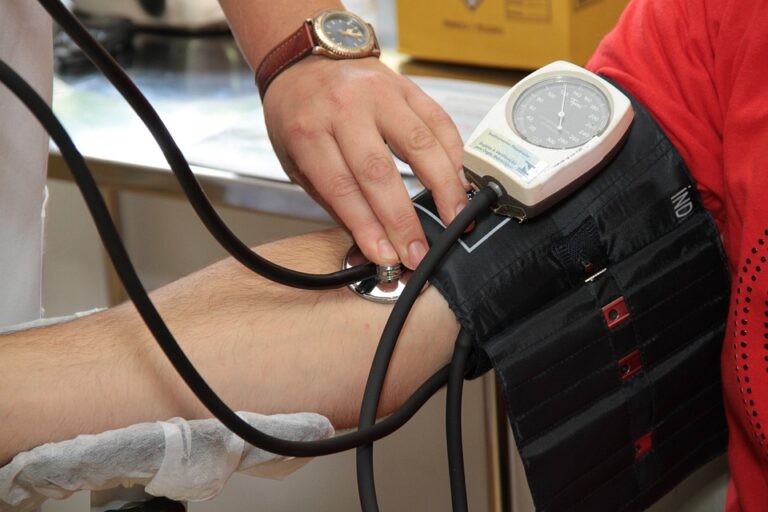
One common observation involves the lower number of a blood pressure reading creeping upward over time. This trend often coincides with the hormonal fluctuations typical of the menopausal transition.
Why menopause makes your diastolic pressure harder to control involves the decline of estrogen, which traditionally supports the elasticity of arterial walls. As these vessels become stiffer, the heart faces increased resistance during its resting phase, leading to higher readings. This transition requires a proactive approach to monitoring vascular health throughout the aging process.
Key Takeaways
- Estrogen Decline: A reduction in circulating estrogen levels can lead to structural changes in the arterial walls, which commonly causes a rise in resting vascular pressure.
- Vascular Stiffness: Research published by the National Institute on Aging indicates that menopause often correlates with an increase in arterial rigidity.
- Reading Metrics: Diastolic pressure refers specifically to the force exerted on arterial walls while the heart muscle rests between beats.
The Impact Of Hormonal Shifts On Vascular Integrity
Hormones serve as chemical messengers that influence how blood vessels dilate and constrict. Estrogen, in particular, helps maintain the inner lining of these vessels, known as the endothelium.
As production of this hormone wanes, the endothelium may not function with its previous efficiency. This loss of cellular support contributes to a more rigid vascular system.
The National Library of Medicine offers evidence showing that these physiological shifts are predictable components of the human aging process. Understanding these changes helps individuals anticipate their health needs as they evolve.
| Metric | Pre-Menopause | Post-Menopause |
|---|---|---|
| Arterial Elasticity | High levels maintained | Gradual reduction noted |
| Endothelial Health | Optimal function active | Efficiency levels decline |
| Vascular Resistance | Low baseline pressure | Increased resting tension |
Demonstrating Arterial Resistance Through Daily Habits
Consider a simple analogy to visualize how these internal changes affect the body. Imagine a garden hose that has been left in the sun for years, losing its original rubbery flexibility.
When water flows through this hardened hose, the pressure remains higher even when the faucet is turned off. The system lacks the ability to expand and accommodate the volume of fluid.
Individuals can apply this logic to their own wellness by focusing on heart healthy habits. Consistent physical activity helps keep the blood vessels responsive despite the lack of circulating estrogen.
Lifestyle Factors That Influence Blood Pressure
Beyond hormonal changes, various lifestyle choices affect how the body manages internal pressure. Simple adjustments often yield significant improvements in long term metrics.
The Centers for Disease Control highlights the importance of dietary patterns in maintaining normal cardiovascular function. Prioritizing nutrient dense options creates a foundation for systemic health.
- Sodium Management: Reducing processed salt intake helps prevent unnecessary fluid retention in the bloodstream.
- Regular Movement: Engaging in daily activity supports the natural elasticity of the vascular system.
- Stress Regulation: Calmness influences the autonomic nervous system, which dictates the state of blood vessel constriction.
Frequently Asked Questions
Can supplements help manage these vascular changes?
Certain nutritional strategies focus on supporting blood vessel health through antioxidants and electrolytes. Ingredients like magnesium are frequently studied for their role in muscle relaxation and vascular support.
While these options provide support, they do not replace the necessity of consistent health screenings. Always verify the safety of any new addition with a healthcare provider.
Does weight gain during menopause affect pressure readings?
Metabolic shifts often occur as hormones decline, leading to changes in body composition. Increased weight can place additional demands on the heart and vascular system.
Managing energy balance through whole foods and activity helps mitigate these stressors. Focus on sustainable habits that promote steady weight management rather than rapid changes.
How often should one monitor their blood pressure?
Regular checking allows individuals to identify patterns that might otherwise go unnoticed. Daily or weekly logs provide valuable data for discussions with health professionals.
Consistency is more important than frequency when tracking trends. Choose a quiet time of day to ensure the readings represent a rested state.
Are there specific foods that promote vessel health?
Diets rich in leafy greens, berries, and omega fatty acids provide essential compounds for vascular maintenance. These foods supply the building blocks necessary for structural integrity.
A balanced plate emphasizes variety over restrictive protocols. Consistent intake of these nutrients supports long term cardiovascular resilience.
When is it necessary to seek professional guidance?
Any consistent reading that falls outside of the expected range warrants a professional consultation. Indicators such as frequent headaches or lightheadedness are signs to seek clarity.
Early identification of trends allows for timely adjustments in daily routines. Never delay a conversation regarding persistent changes in your health metrics.
The Bottom Line
Why menopause makes your diastolic pressure harder to control is fundamentally tied to the natural reduction in estrogen and the resulting loss of arterial flexibility. This transition serves as a reminder to prioritize cardiovascular health through proactive habits.
Commit to tracking your blood pressure regularly to understand your unique baseline. Consult a licensed healthcare provider before starting any new wellness routine.
This information is for educational purposes only and is not intended for individuals with pre-existing heart conditions or those currently under medical care for hypertension. Consult a licensed healthcare provider before starting any new wellness routine.
Get Your FREE Natural Health Guide!
Subscribe now and receive our exclusive ebook packed with natural health tips, practical wellness advice, and easy lifestyle changes, delivered straight to your inbox.