

Strategies for Naturally Supporting the Metabolism During a Detox Phase
Many individuals report feeling sluggish or mentally foggy when they decide to shift their eating patterns toward whole foods. This period often feels like a reset, yet it requires careful attention to how your internal engine functions. Prioritizing energy balance is essential while you navigate these changes.
You may wonder if your body possesses the right tools to maintain its steady pace without relying on processed inputs. Focusing on hydration, nutrient density, and movement provides a firm foundation for this process. It remains a matter of aligning your biology with simple, daily habits for naturally supporting the metabolism during a detox phase.
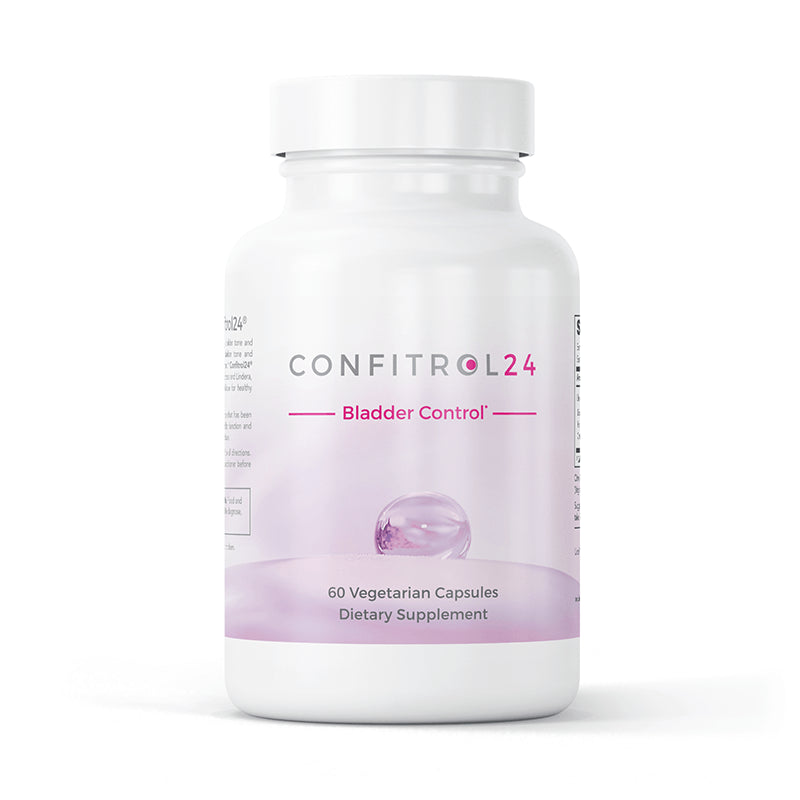
Confitrol24™ Feminine Urinary Support
- Formulated with Urox® to support natural pelvic floor muscle tone
- Designed to assist with daily feminine urinary control and comfort
- Manufactured in a cGMP-compliant, FDA-registered facility
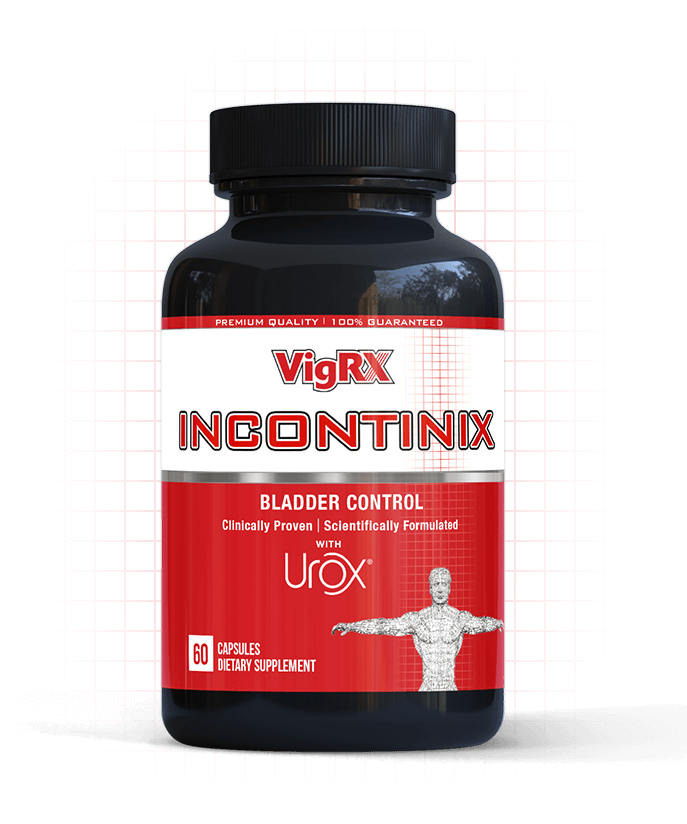
VigRX® Incontinix Male Bladder Control
- Formulated specifically to support male urinary health and baseline control
- Clinically researched ingredients for daily maintenance and comfort
- Manufactured in a cGMP-compliant, FDA-registered facility
To support your system, prioritize high-quality protein, complex carbohydrates, and consistent hydration. These elements help maintain steady blood sugar levels and provide the raw materials your body needs for efficient processing. Research from the National Institutes of Health shows that adequate protein intake is crucial for preserving lean mass during periods of reduced caloric intake.
Key Takeaways
- Protein adequacy: Consuming 1.2 to 1.6 grams of protein per kilogram of body weight preserves lean mass during caloric shifts.
- Hydration impact: Proper water intake can increase resting energy expenditure by approximately 24 to 30 percent for short periods.
- Micronutrient density: Targeted intake of B vitamins and magnesium serves as a cofactor for over 300 cellular reactions involved in energy production.
Simple Daily Habits for Naturally Supporting the Metabolism During a Detox Phase
- Start with hydration: Drink 16 ounces of filtered water within the first hour of waking to signal your internal systems that the day has begun.
- Prioritize morning protein: Incorporate at least 20 grams of high-quality protein at breakfast to stabilize blood glucose levels immediately.
- Incorporate movement: Engage in 15 minutes of low-impact movement, such as walking or stretching, to encourage blood flow and efficient cellular transport.
- Focus on fiber: Consume 25 to 35 grams of fiber daily through cruciferous vegetables and legumes to assist digestive efficiency.
- Manage circadian cues: Seek natural sunlight within 30 minutes of waking to help regulate hormones that influence appetite and wakefulness.
Comparative Metabolic Support Strategies
| Strategy Type | Primary Action | Expected Outcome |
| Protein Loading | Increases thermogenesis | Higher energy output |
| Hydration | Supports cell signaling | Optimal waste transport |
| Fiber Intake | Slows glucose absorption | Steady insulin levels |
Nutrient Cofactors for Efficient Processing
Your body relies on specific vitamins and minerals to convert food into usable energy. B vitamins act as essential helpers for enzymes that break down carbohydrates and fats. Published evidence from the National Center for Biotechnology Information indicates that magnesium deficiency disrupts normal energy storage processes at the cellular level.
Focusing on whole food sources ensures you receive these nutrients in their natural, bioavailable forms. Dark leafy greens, nuts, seeds, and lean meats provide the complex profiles required for these chemical pathways. Avoiding heavily processed additives allows your body to dedicate its resources to essential functions rather than filtration tasks.
Real-World Application and Obstacle Management
Maintaining these habits becomes difficult when busy schedules interfere with meal preparation. Success relies on keeping pre-portioned, nutrient-dense items readily available. Guidance from provincial education and health resources suggests that planning ahead minimizes the temptation of low-nutrient convenience snacks. Prepare your staples on a Sunday evening to ensure your pantry reflects your health goals throughout the week.
Frequently Asked Questions
Does water temperature affect the way the body processes nutrients?
While some consumers believe cold water increases energy expenditure, the effect is negligible for most people. The primary benefit of hydration remains the support of digestive processes and nutrient transport rather than the temperature of the liquid consumed.
Consistency in total daily volume matters far more than whether your water is iced or room temperature. Prioritize drinking enough water throughout the day to support your cellular environment.
Can intense exercise be harmful when changing your diet?
High-intensity training during a dietary shift can sometimes place too much stress on the system if recovery resources are low. It is often more effective to focus on consistent, moderate movement that supports mobility without triggering excessive cortisol production.
Listen to your energy levels during this period and adjust your activity accordingly. Moderate movement helps keep your metabolism active while allowing your body time to adapt to new dietary patterns.
How long should someone maintain these habits for effective results?
Sustainability is the most important factor in any change to your eating routine. Rather than looking for a fixed end date, consider these actions as long-term shifts that provide ongoing support for your internal health.
Lasting change happens when these behaviors become automatic over several months. Aim for consistency rather than perfection to build a resilient health foundation.
Is coffee consumption harmful during a diet reset?
Moderate caffeine intake is generally well-tolerated by most people and can provide a temporary lift to metabolic rate. The issue arises when coffee is used to replace nutrient-dense meals or when it is loaded with refined sugars.
Monitor how your body responds to caffeine while you are adjusting your diet. If it causes jitters or interrupts your sleep, consider reducing your intake or moving it earlier in the day.
Are supplements necessary for maintaining metabolic health?
Whole foods should always serve as your primary source of nutrition during any dietary transition. Supplements are designed to fill specific gaps and cannot replace the synergy of vitamins, minerals, and phytonutrients found in real food.
Always check with a professional if you suspect a deficiency. Focus your efforts on a varied, colorful diet to ensure you are meeting your baseline needs effectively.
The Bottom Line
Supporting your internal systems is a continuous process rooted in consistent, daily choices rather than sudden changes. By focusing on hydration, protein quality, and fiber intake, you create the right environment for your body to function at its best. Simple daily habits for naturally supporting the metabolism during a detox phase help maintain your energy throughout the transition.
Commit to these foundations for several weeks to notice improvements in how you feel. Evaluate your progress by monitoring your energy levels and mood each day. Consult a licensed healthcare provider before starting any new wellness routine.
Those with underlying metabolic health conditions, renal issues, or specific nutrient absorption challenges should not follow these general guidelines without direct professional oversight. Never stop or change any medication without consulting the provider who recommended it. Consult a licensed healthcare provider before starting any new wellness routine.
Get Your FREE Natural Health Guide!
Subscribe now and receive our exclusive ebook packed with natural health tips, practical wellness advice, and easy lifestyle changes, delivered straight to your inbox.