
Nutrient-Rich Strategies For Supporting Keratin Production Internally
Many individuals notice their hair texture feels brittle or their nail beds seem weak during seasonal shifts. These physical changes often signal that the body requires specific building blocks to maintain structural integrity. Addressing these concerns begins with understanding how basic dietary choices influence systemic output.
Supporting keratin production internally relies on consistent intake of specific amino acids and micronutrients that the body utilizes to construct tough, fibrous proteins. This process occurs naturally when the internal environment receives the necessary raw materials through a balanced diet. Focusing on nutrient density ensures that the biological assembly line functions without unnecessary delays.
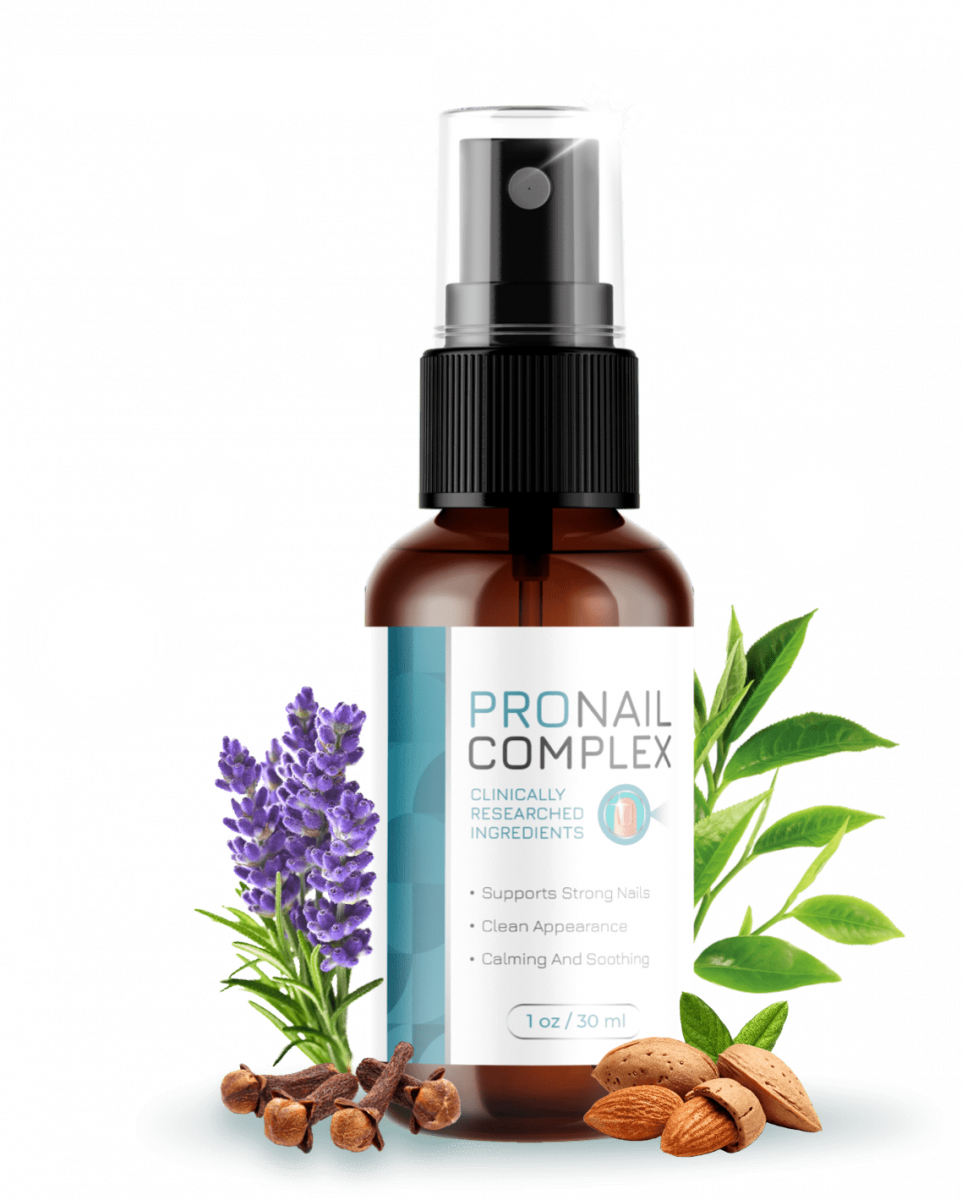
ProNail Complex™ Targeted Daily Mist
- Targeted daily mist designed to absorb deeply and support the structural balance of nail beds
- Helps maintain a clean, vibrant appearance against footwear and environmental disruptions
- Manufactured in a cGMP-compliant, FDA-registered facility without harsh chemical scraping
The process of supporting keratin production internally involves consuming high-quality protein sources rich in sulfur-containing amino acids alongside specific vitamins like biotin and zinc. These components serve as structural foundations for hair, skin, and nail health. By prioritizing these elements, individuals provide their systems with the resources required to maintain resilient connective tissues.
Key Takeaways
- Protein adequacy: Adequate intake of dietary protein provides the essential amino acids, particularly cysteine and methionine, that form the backbone of the keratin molecule.
- Biotin reliance: While commonly cited, clinical data suggests that most healthy individuals maintain sufficient biotin levels through a varied diet, as recommended by the National Institutes of Health.
- Micronutrient synergy: Zinc and copper intake must remain balanced, as high zinc levels can interfere with copper absorption, impacting the integrity of structural proteins.
Comparing Structural Integrity Nutrient Sources
| Nutrient | Primary Benefit | Common Food Source |
|---|---|---|
| Sulfur Amino Acids | Structural foundation | Organic chicken eggs |
| Dietary Zinc | Protein synthesis support | Pumpkin seed kernels |
| Vitamin C | Collagen cofactor links | Fresh bell peppers |
The Role Of Sulfur In Structural Protein Formation
Sulfur acts as a bridge within the molecular structure of tough proteins. This chemical connection allows fibers to maintain shape and withstand daily environmental stressors. Consuming adequate amounts of these compounds helps keep these internal networks stable.
Research from the National Center for Biotechnology Information emphasizes that amino acid availability directly dictates the quality of outward structural growth. When the diet lacks these sulfur-rich building blocks, the system may prioritize more vital functions over aesthetic tissue strength. Emphasizing foods like cruciferous vegetables and lean poultry helps maintain the necessary supply chain.
Demonstration Of A Balanced Daily Menu
To visualize how these nutrients fit into a standard day, consider this structured approach to meal planning. Every choice aims to provide a steady flow of amino acids and minerals throughout the day.
- Morning meal: Start with a serving of Greek yogurt topped with pumpkin seeds to provide a dual boost of protein and zinc.
- Midday meal: Include a large salad with dark leafy greens and chickpeas, which offer both fiber and essential minerals.
- Evening meal: Select a portion of wild-caught salmon or lentils to secure the necessary sulfur-containing amino acids for overnight structural maintenance.
Cofactor Interactions And Nutrient Absorption
Nutrients do not function in isolation. The presence of specific vitamins often dictates how effectively the body utilizes minerals for structural goals. For example, the interplay between iron and vitamin C is essential for systemic health, as documented by the Agricultural Research Service findings.
Maintaining this balance requires variety rather than focus on a single food group. When the diet is diverse, the body naturally handles these interactions without needing complex, rigid routines. Simplicity in food selection often leads to more consistent outcomes for long-term health.
Frequently Asked Questions
Can excessive protein intake increase structural protein density?
Eating more protein does not necessarily correlate with stronger hair or nails once the body meets its basic daily requirements. The system utilizes specific amino acids for these purposes, but it cannot store excess protein as a reserve for future structural growth. Consuming a moderate, consistent amount is more effective than attempting to overload the system.
Excessive consumption of any single macronutrient may also displace other essential food groups. A balanced approach ensures that vitamins and minerals, which act as necessary cofactors for these proteins, are not crowded out of the diet. Focus on quality and variety to support the body effectively.
Do topical applications provide the same results as dietary intake?
Topical products function by smoothing the surface of hair or skin but they do not influence the internal production of new proteins. Keratin is a dead, hardened structure that originates deep within the follicle or nail bed. Only nutritional support reaching these internal sites can change the quality of the tissue as it emerges.
Topical solutions serve as protective barriers against external damage such as heat or pollution. While these can improve the appearance and tactile feel of hair, they remain distinct from the internal processes that build the protein itself. Combining internal nourishment with gentle external care provides the most thorough results.
How does stress impact the body’s ability to maintain these proteins?
High levels of systemic stress can redirect metabolic energy away from non-essential growth functions. When the body operates in a state of high alert, it prioritizes vital organs and regulatory systems. This shift often results in the body slowing down the growth and maintenance of hair and nails.
Managing daily tension helps keep the internal environment conducive to normal growth cycles. Consistent rest, hydration, and steady nutrition allow the system to allocate resources toward maintaining structural integrity. Addressing stress levels is an indirect but essential way to support the body’s natural output.
Are there specific deficiencies that show up as brittle nails?
Weak or peeling nails often suggest a lack of essential minerals like zinc or iron in the daily diet. These minerals play a role in the rapid division of cells required for nail growth. When these levels drop, the structural integrity of the nail plate frequently decreases.
It is important to look at the entire dietary pattern rather than identifying one missing nutrient. A lack of protein or insufficient hydration can also manifest through these physical markers. Addressing gaps through whole food sources is a standard starting point for many individuals.
Is there an ideal time of day to consume structural nutrients?
The body maintains a constant, ongoing need for amino acids and minerals throughout the 24-hour cycle. There is no specific window that triggers superior structural growth compared to others. The primary factor for success is maintaining consistent availability through regular, balanced meals.
Spreading protein intake across the day helps the system maintain a steady level of amino acids in the bloodstream. This consistent supply allows for steady maintenance rather than relying on a single large intake at one meal. Focus on sustainable patterns that fit easily into daily life.
The Bottom Line
Supporting keratin production internally is a matter of consistent, nutrient-dense eating rather than reliance on complex supplements. By prioritizing protein-rich foods, sulfur-containing vegetables, and essential minerals, you provide the tools your body needs to maintain structural integrity.
Focus on incorporating a variety of whole foods into your daily meals to ensure all necessary cofactors are present. Assess your current dietary patterns and identify one additional source of protein or minerals to include in your routine this week.
This information is for educational purposes only. It is not intended to address specific health conditions or symptoms. Never stop or change any medication without consulting the provider who recommended it. Consult a licensed healthcare provider before starting any new wellness routine.
Get Your FREE Natural Health Guide!
Subscribe now and receive our exclusive ebook packed with natural health tips, practical wellness advice, and easy lifestyle changes, delivered straight to your inbox.