
Understanding Why Your Evening Wine Causes Facial Flushing And Stagnation
Many social habits involve a glass of wine to mark the transition from a busy day to evening relaxation. Some individuals notice an immediate warmth, reddening, or general sluggishness after their first few sips. This physical reaction often signals a mismatch between individual genetics and the way the body handles specific compounds.
Alcohol contains several substances that trigger sensory and metabolic responses in the skin and system. While often dismissed as a minor side effect, these signs offer a glimpse into internal processing efficiency. Understanding these triggers allows for better-informed choices regarding evening rituals.
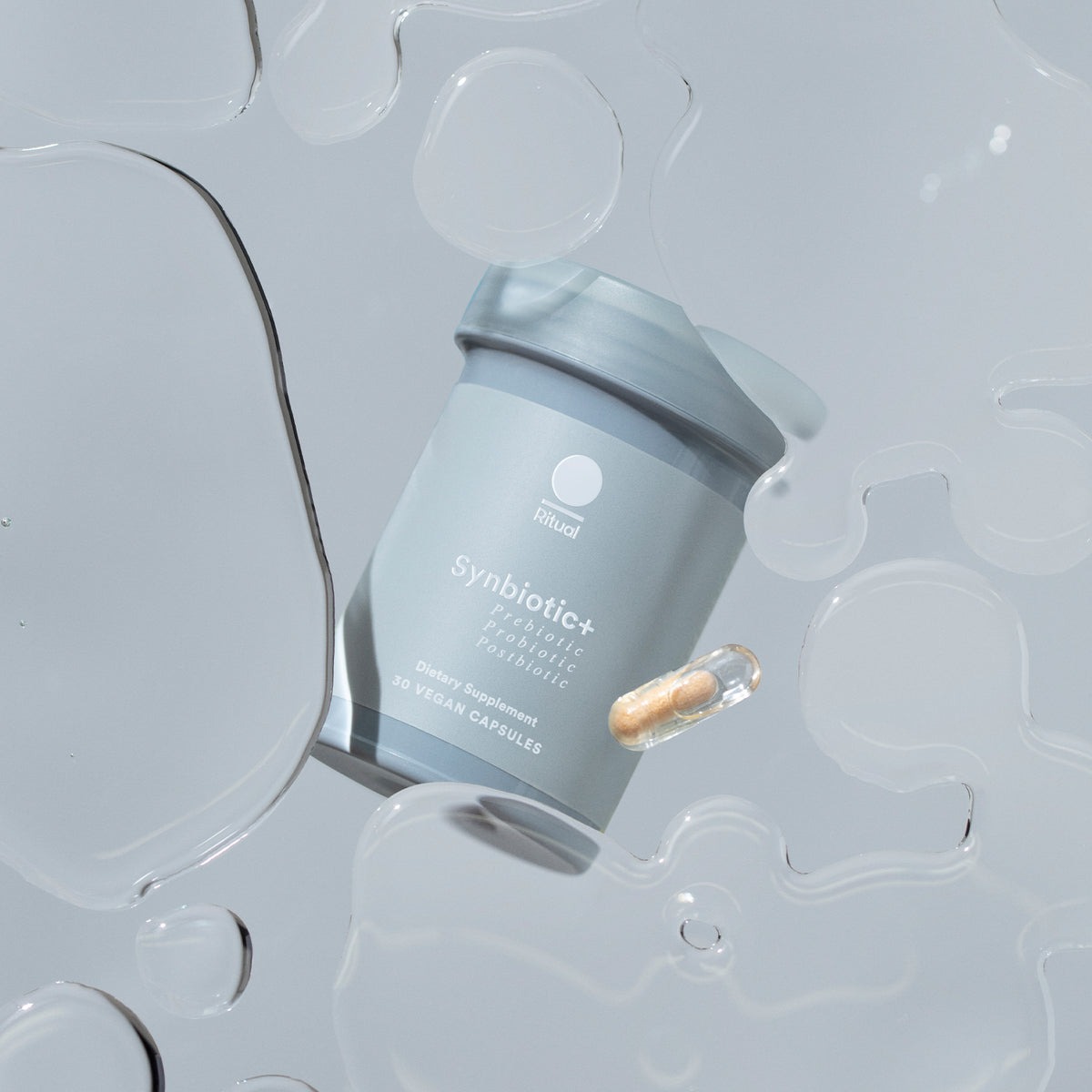
Ritual™ Synbiotic Gut Formulation
- Targeted daily synbiotic designed to support a balanced gut microbiome
- Formulated to assist with continuous digestive maintenance and mitigate occasional discomfort
- Supports effective food processing without relying on harsh cleanses
Why your evening wine causes facial flushing and stagnation is primarily linked to the buildup of acetaldehyde, a byproduct of ethanol processing, which causes blood vessels to dilate. Genetic variations in the enzyme aldehyde dehydrogenase can slow the breakdown of this byproduct, leading to immediate visible heat and lethargy. Effectively, the body is signaling that it needs more time to process the incoming compounds before they cause further irritation.
Key Takeaways
- Acetaldehyde accumulation often occurs when the enzyme ALDH2 functions at reduced efficiency, affecting approximately 30 to 50 percent of East Asian populations.
- Histamine content in red wine ranges from 60 to 3,800 micrograms per liter, often triggering pseudo-allergic responses in sensitive individuals.
- Vasodilation occurs rapidly, with skin surface temperatures rising by 1 to 2 degrees Celsius within minutes of alcohol ingestion.
The Biochemical Cascade Of Why Your Evening Wine Causes Facial Flushing And Stagnation
When ethanol enters the bloodstream, the liver initiates a two-step process to break it down. First, alcohol dehydrogenase converts ethanol into acetaldehyde. This intermediate compound is highly reactive and technically toxic to various tissues.
Under ideal conditions, a second enzyme converts acetaldehyde into harmless acetate. If this second step lags, acetaldehyde accumulates in the blood, causing skin capillaries to open wide. The National Library of Medicine offers detailed data on how these genetic variations influence alcohol metabolism.
This systemic stagnation feels like a heavy fog or physical lethargy. It represents a temporary halt in efficient energy distribution. The body prioritizes neutralizing the toxic byproduct before returning to normal homeostasis.
Comparing Triggers In Common Beverages
| Beverage Type | Primary Trigger | Typical Severity |
| Red Wine | Histamine levels | Moderate to high |
| White Wine | Sulfites | Low to moderate |
| Distilled Spirits | Ethanol volume | Variable based on intake |
The Role Of Histamines And Sulfites
Red wine contains naturally occurring histamines developed during the fermentation process. For some, these compounds bypass standard digestive defenses and trigger an immune-like response. This leads to the characteristic red flush commonly seen across the cheeks and neck.
Sulfites are often added to wine to preserve freshness and prevent oxidation. While allergic reactions to sulfites are rare, some individuals find them irritating to their sensitive tissues. The National Institute on Alcohol Abuse clarifies how various additives contribute to physical sensitivities.
Separating the effects of histamine from those of acetaldehyde helps clarify the root cause. One relates to food sensitivity while the other relates to metabolic processing speed.
Practical Strategy For Evening Comfort
Tracking your response to different beverage profiles provides a clear picture of personal tolerance. If a specific vintage consistently causes heat and sluggishness, consider it a signal to adjust your selection.
Focusing on lower-histamine options or limiting the serving size allows the liver to manage metabolic demands without causing a backup. Consistency is key when identifying what your system handles with ease.
The Food and Drug Administration provides resources on identifying ingredients that may provoke reactions in sensitive populations. Monitoring how you feel after a single glass helps determine the upper limit of your comfort zone.
Frequently Asked Questions
Can taking antihistamines before a glass of wine prevent the flush?
Antihistamines are intended to block histamine receptors for allergy relief and do not change how the liver processes alcohol metabolites. Relying on them to mask a reaction does not address the underlying metabolic stress placed on the body by acetaldehyde.
Using these medications to facilitate alcohol consumption may lead to false confidence regarding intake levels. It is far safer to understand personal limits rather than relying on pharmacological buffers to avoid visible signs of distress.
Does the type of grapes used impact the severity of the reaction?
Different grape varieties possess varying levels of tannins, histamines, and proteins that influence how the body reacts. Darker red wines typically contain higher concentrations of these compounds compared to lighter white varieties.
Experimenting with different styles can help identify which compositions result in less physical strain. If a particular varietal consistently triggers a flush, it serves as an indicator that the specific chemical profile does not align with your biology.
Is facial flushing a sign of long-term health damage?
Visible flushing is primarily an acute, short-term indicator of acetaldehyde accumulation and blood vessel dilation. While it reflects how your body currently processes these substances, it does not necessarily indicate permanent physical harm if intake remains minimal.
Ignoring these physical signals and maintaining high levels of intake can place unnecessary, consistent strain on the liver and vascular system. It is wise to view the flush as an immediate feedback mechanism that informs future consumption habits.
Could dehydration be making the reaction worse?
Alcohol acts as a diuretic, which naturally reduces fluid levels in the body and potentially intensifies any inflammatory response. When cells lack adequate hydration, the metabolism of toxins becomes less efficient, further slowing the clearance of metabolic byproducts.
Maintaining proper hydration before and during an evening glass helps the body manage processing demands more effectively. Proper water intake is a fundamental support for the systems responsible for neutralizing and clearing alcohol from the blood.
Why does the sensation sometimes occur after only one glass?
The speed of your personal metabolic rate determines how quickly acetaldehyde is converted into acetate. For some, even a small amount of ethanol overwhelms the available enzyme capacity, causing an immediate, noticeable reaction.
This limit is often genetically determined and does not change with increased practice. Respecting this natural biological boundary ensures that you avoid the discomfort associated with exceeding your individual processing threshold.
The Bottom Line
Facial flushing and stagnation are clear signals that your body is working hard to process ethanol and its associated compounds. Understanding that this reaction is often a result of your unique metabolic rate and sensitivity to wine components empowers you to make smarter choices. Use these physical cues as a guide to adjust your evening habits for better comfort and overall well-being.
Never stop or change any medication without consulting the provider who recommended it. Consult a licensed healthcare provider before starting any new wellness routine.
Get Your FREE Natural Health Guide!
Subscribe now and receive our exclusive ebook packed with natural health tips, practical wellness advice, and easy lifestyle changes, delivered straight to your inbox.