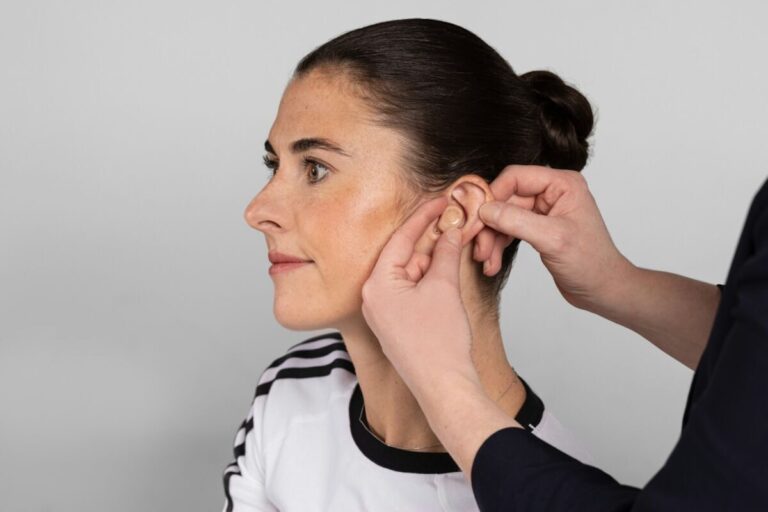

How The Role Of Folate In Preventing Age-Related Hearing Decline Supports Auditory Health
Many people find that subtle shifts in how they perceive sound emerge as a gradual, quiet background process during their later years. Understanding the biological maintenance of our inner ear structures often leads researchers to investigate the influence of specific B vitamins on long-term sensory function. This intersection of nutrition and sensory perception highlights the importance of keeping the body well-supplied with essential micronutrients.
Folate is a water-soluble B vitamin that works to regulate homocysteine levels throughout the body. Elevated levels of this amino acid are frequently identified in studies as a potential risk factor for blood flow issues within the delicate auditory system. Maintaining adequate intake helps support the vascular integrity required to sustain normal cochlear function over time.
The role of folate in preventing age-related hearing decline centers on its capacity to lower circulating homocysteine and manage oxidative stress within the ear. Consuming nutrient-dense foods rich in this vitamin may offer a protective buffer against the natural degradation of auditory cells. Consistent dietary habits appear to correlate with a lower incidence of sensorineural hearing loss in aging populations.
Key Takeaways
- Research published by the National Institute on Aging identifies dietary patterns as a major factor in sensory longevity.
- Clinical studies suggest individuals with higher folate levels maintain better auditory thresholds compared to those with deficiencies.
- Maintaining optimal serum levels of this vitamin helps mitigate the vascular strain that often impacts sensitive inner-ear hair cells.
Understanding Folate Habits That May Protect Your Hearing With Age
Building a plate that prioritizes folate does not require complex meal planning or rare ingredients. Most leafy greens and legumes provide significant quantities of this nutrient in highly bioavailable forms.
Focusing on consistent intake throughout the week creates a stable internal environment. This stability is the core of long-term sensory preservation rather than sporadic or high-dose supplementation.
| Food Source | Typical Serving | Folate Content |
| Spinach | One Cup | High |
| Lentils | One Cup | Very High |
| Asparagus | Four Spears | Moderate |
The Biological Logic Of Nutrient Synergy
The body rarely utilizes a single vitamin in isolation to maintain complex systems like the auditory nerve. Folate functions most effectively when paired with B12 and B6 in a metabolic cycle that keeps inflammation markers low.
Research from the National Library of Medicine highlights that these cofactors are essential for nerve tissue health. Without adequate levels of this entire B-complex, the individual processes that manage auditory signaling may experience unnecessary friction.
Practical Daily Implementation Patterns
Incorporating nutrient-dense choices into standard breakfast and lunch routines provides a sustainable way to keep levels stable. Small, daily modifications often yield better long-term results than attempting to correct imbalances after sensory function has already declined.
- Leafy Green Bases: Add raw spinach or arugula to morning smoothies or lunchtime salads to increase your baseline intake.
- Legume Integration: Swap refined grains for lentils or chickpeas in soups and stews to provide a consistent supply of folate throughout the day.
- Citrus Pairings: Include oranges or grapefruit in your diet as these fruits contain both folate and vitamin C, which aids in the absorption of other nutrients.
Addressing Common Dietary Hurdles
Many individuals find that modern food preparation methods strip away heat-sensitive vitamins like folate. Steaming vegetables lightly instead of boiling them for long periods retains more of the essential compounds found in plant-based sources.
Processing and long-term storage can also diminish the nutrient density of fresh produce. Prioritizing seasonal vegetables or properly frozen produce ensures that you receive the intended benefit without needing to source exotic or expensive ingredients.
Frequently Asked Questions
Does folate supplementation replace a balanced diet for auditory health?
Supplements are intended to bridge the gap during periods when whole-food intake is insufficient rather than serving as a replacement for nutrient-dense meals. Food sources provide a spectrum of fiber and secondary phytonutrients that work alongside folate to maintain vascular health.
True sensory support relies on the synergy found in nature. Relying solely on a pill often ignores the necessity of those accompanying compounds for optimal biological utilization.
Can too much folate cause issues for the inner ear?
While folate is a water-soluble vitamin and is generally excreted through urine when taken in excess, extreme intake can mask deficiencies in other critical B vitamins like B12. This is the primary reason why professional guidance is necessary before committing to high-dose regimens.
Safety lies in balance. Always monitor the total intake from both food and supplements to stay within recommended daily ranges.
How quickly do dietary changes influence auditory function?
Biological shifts related to nutrition are cumulative rather than immediate. You should view these dietary habits as a long-term investment that requires months or even years of consistency to reflect in your overall sensory status.
Patience remains a critical component of any wellness strategy. The goal is to create an environment where cells can function optimally throughout your lifespan.
Are there specific demographics that require more folate?
Individuals with certain genetic variations or those experiencing specific metabolic challenges may have higher requirements for folate than the general population. Data from the Centers for Disease Control shows that baseline requirements vary significantly based on individual metabolic needs.
Understanding your unique biological needs through standard wellness testing is a prudent move. Never assume that a generic recommendation fits your specific physiology without context.
Is hearing loss in old age purely genetic?
Sensory decline is rarely determined by a single factor and usually involves a mix of environmental exposure, genetics, and long-term lifestyle habits. While you cannot change your genetic code, you can actively manage the inflammatory markers and blood flow efficiency that influence how the ears age.
Proactive care shifts the focus to what remains within your control. Small, evidence-based choices today often define the quality of your sensory experience in the future.
The Bottom Line
Folate Habits That May Protect Your Hearing With Age rely on consistent, whole-food intake rather than isolated interventions. By maintaining stable levels of this essential B vitamin, you support the vascular and nerve health necessary for long-term sensory resilience.
Prioritize leafy greens and legumes in your daily meals to ensure your body has the raw materials it needs to thrive. Consult a licensed healthcare provider before starting any new wellness routine.
This information is for educational purposes only. It is not intended to address specific physical conditions. Never stop or change any medication without consulting the provider who recommended it.
Get Your FREE Natural Health Guide!
Subscribe now and receive our exclusive ebook packed with natural health tips, practical wellness advice, and easy lifestyle changes, delivered straight to your inbox.