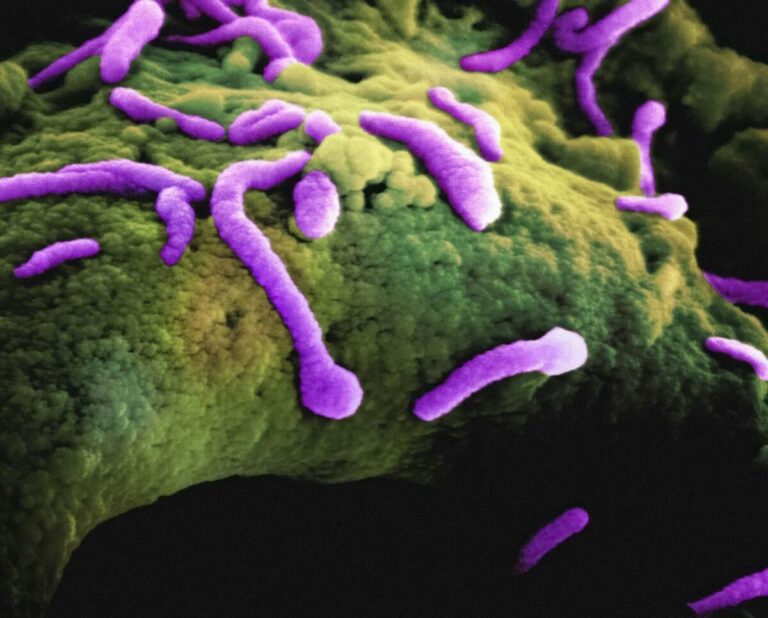

Strategies For Naturally Repairing The Gut After Years Of Antibiotic Use
Many individuals notice subtle changes in their digestive rhythm after completing several cycles of medication. These shifts often manifest as occasional bloating or a general sense of imbalance within the digestive system. Understanding how to restore internal harmony involves prioritizing specific dietary habits and environmental adjustments.
The goal is to foster an environment where beneficial flora can thrive once more. Consistent focus on diverse plant fibers and fermented additions supports this internal landscape. These small, deliberate choices accumulate to influence long term digestive stability.
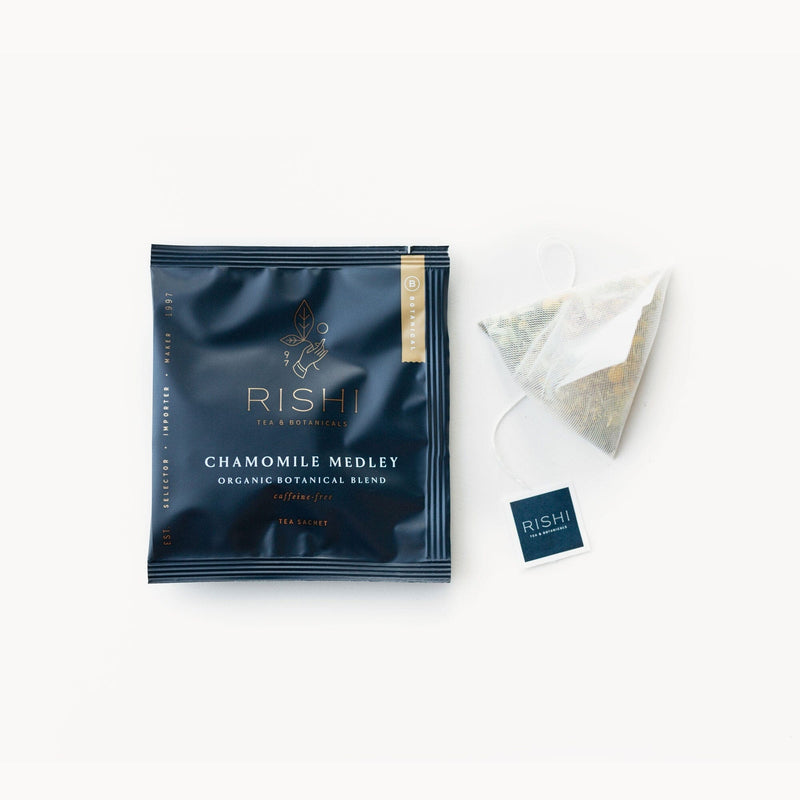
Rishi Chamomile Medley™ Botanical Blend
- Targeted botanical blend designed to work with your body's natural evening rhythms
- Supports a calm state of mind and consistent physical relaxation after a high-demand day
- Formulated for a smooth evening transition without relying on heavy synthetic sleep aids
Naturally repairing the gut after years of antibiotic use focuses on reintroducing microbial diversity through polyphenol rich foods and fermented sources. Prioritizing consistent intake of diverse fibers while minimizing processed sugars creates the foundation for a balanced internal ecosystem. This approach encourages the gradual growth of helpful bacteria to regain digestive comfort.
Key Takeaways
- Microbial Recovery: Research from the National Institutes of Health indicates that while most populations return to a baseline state within weeks, specific strains may remain diminished for months.
- Fiber Diversity: Consuming more than 30 unique plant species weekly is associated with higher levels of microbial richness.
- Fermented Foods: Small daily portions of cultured vegetables can shift the metabolic activity of the gut microbiome significantly.
Data Comparison Of Nutrient Sources
| Source Type | Primary Benefit | Frequency |
|---|---|---|
| Fermented Foods | Introduces live bacteria | Daily small portions |
| Soluble Fibers | Feeds existing flora | Every meal |
| Polyphenol Plants | Reduces internal stress | Weekly rotation |
Prioritizing Diverse Fiber Intake For Microbiome Balance
Bacteria in the digestive tract rely on undigested plant matter for fuel. When variety is lacking, the system struggles to maintain the same levels of resilience. Aiming for a wide range of colors and textures in every meal provides the necessary building blocks for growth.
Root Vegetables: These contain resistant starches that arrive intact in the large intestine. They provide steady energy for beneficial organisms to flourish.
Dark Leafy Greens: These options offer essential minerals that support the integrity of the intestinal lining. They act as a soothing presence for the entire digestive tract.
Legumes and Seeds: These are excellent sources of complex carbohydrates. They encourage the production of short chain fatty acids which are vital for internal health.
Building A Daily Meal Framework
Applying these principles does not require rigid protocols or complex tracking. A simple framework helps maintain consistency without creating unnecessary pressure. Consider this approach for organizing daily intake:
- Morning Start: Include a small portion of cultured yogurt or kefir to introduce acidity and active cultures early in the day.
- Midday Variety: Ensure the lunch bowl contains at least three distinct types of plant matter such as chickpeas, spinach, and shaved carrots.
- Evening Repair: Focus on cooked, easy to digest vegetables like roasted sweet potatoes or steamed zucchini to calm the system before rest.
Understanding The Role Of Prebiotic Compounds
Prebiotics act as the primary fertilizer for healthy flora. Without these specific fibers, even high quality additions may struggle to colonize or persist. The National Institute on Aging highlights how dietary choices directly influence the biological environment of the digestive system over time. Focusing on foods like garlic, onions, and asparagus ensures that the existing population receives adequate nutrition.
Avoiding excessive processed additives is just as important as increasing intake of beneficial plants. Artificial sweeteners and emulsifiers can change the behavior of the internal landscape. Keeping meals centered on whole, unprocessed ingredients allows the system to reset without interference.
Evaluating Supplemental Considerations
While food is the most effective tool, some individuals prefer additional support during the transition. Consult a trusted resource when considering specific additives to ensure quality and relevance. Research via the Centers for Disease Control emphasizes that responsible medication use remains the first step in protecting long term digestive integrity. Always evaluate the source and purity of any item before adding it to the daily routine.
Frequently Asked Questions
How long does it take to notice changes?
Individual responses vary significantly based on baseline health and ongoing dietary choices. Most people report feeling more balanced within four to six weeks of consistent application.
Persistence is essential because changes in the internal ecosystem happen slowly. Continued focus on diverse fibers is the most reliable way to maintain these positive shifts over time.
Can exercise support this process?
Movement helps stimulate the natural contractions of the digestive tract. This mechanical support keeps things moving and reduces stagnation within the system.
Even moderate activity like daily walking can encourage better internal transit. This physical support complements dietary efforts to create a well rounded wellness approach.
Should fermented foods be eaten daily?
Small, regular amounts are generally more effective than irregular large servings. Introducing active cultures consistently helps keep the internal population diverse.
Start with a tablespoon of sauerkraut or a small glass of kefir. Gradually adjust based on comfort levels to find what works best for the system.
Are there foods that cause irritation?
Highly processed snacks and excessive refined sugars often contribute to discomfort. Reducing these items can provide immediate relief to a sensitive system.
Observing how specific foods correlate with digestive comfort is a helpful skill. Keep a simple note of meals and sensations to identify personal triggers over time.
Is variety more important than quantity?
Yes, the diversity of plant fibers is the most important factor for microbial health. Different species of plants feed different groups of beneficial organisms.
Mixing up the grocery list each week ensures a broader spectrum of nutrients. This variety prevents the system from becoming stagnant and supports a more robust internal environment.
The Bottom Line
Supporting the body after long term medication use is a process of patience and consistent dietary habit. By prioritizing diverse plant fibers and fermented additions, the system can gradually restore its internal balance. Naturally repairing the gut after years of antibiotic use centers on creating a welcoming environment for beneficial flora to flourish.
Focus on adding more color to each plate while reducing the reliance on highly processed options. Consistency remains the most reliable strategy for long term health. Consult a licensed healthcare provider before starting any new wellness routine.
This information is for educational purposes only. It is not intended to replace professional guidance. Never stop or change any medication without consulting the provider who recommended it.
Get Your FREE Natural Health Guide!
Subscribe now and receive our exclusive ebook packed with natural health tips, practical wellness advice, and easy lifestyle changes, delivered straight to your inbox.