

Identifying Subtle Shoulder Pain And Signs Of Subclinical Calcific Tendinitis
Many individuals experience a vague, nagging ache in the shoulder that seems to arrive without warning. This discomfort often settles deep within the joint, surfacing primarily when reaching overhead or while sleeping on the affected side. Recognizing these early signals often precedes a more formal diagnosis of calcium deposits within the rotator cuff tendons.
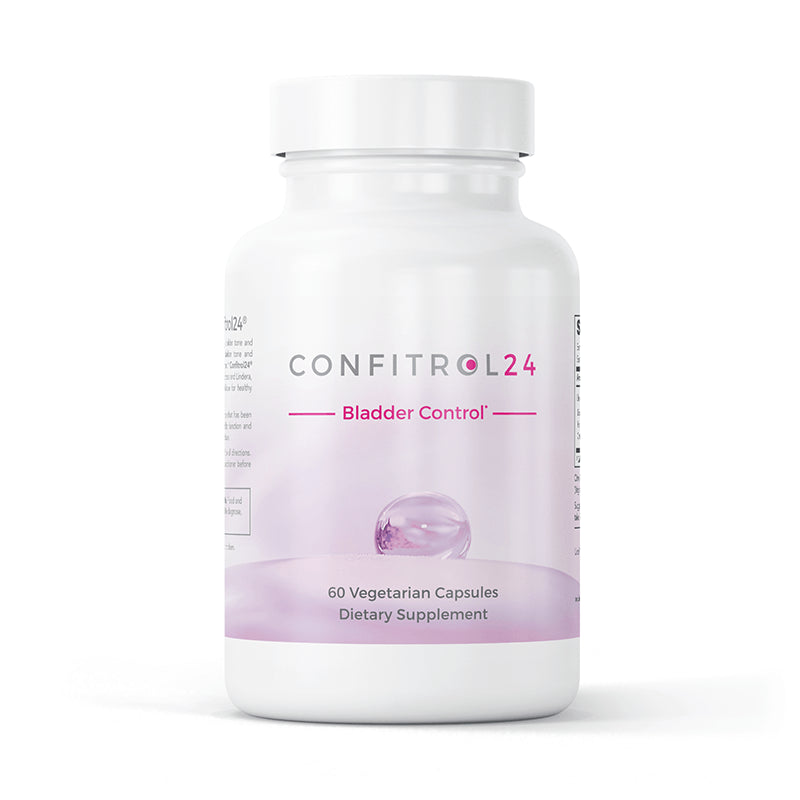
Confitrol24™ Feminine Urinary Support
- Formulated with Urox® to support natural pelvic floor muscle tone
- Designed to assist with daily feminine urinary control and comfort
- Manufactured in a cGMP-compliant, FDA-registered facility
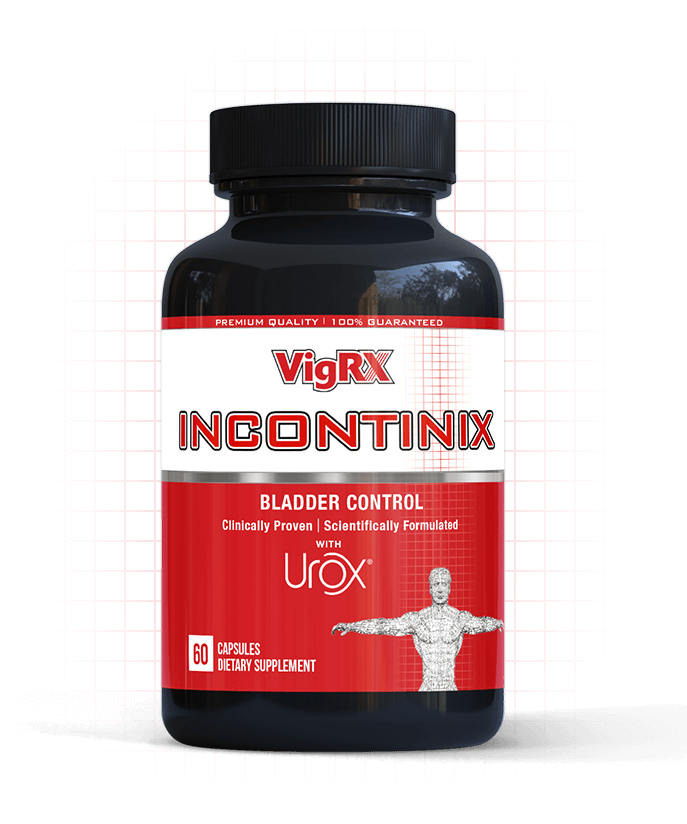
VigRX® Incontinix Male Bladder Control
- Formulated specifically to support male urinary health and baseline control
- Clinically researched ingredients for daily maintenance and comfort
- Manufactured in a cGMP-compliant, FDA-registered facility
Subclinical calcific tendinitis represents a stage where mineral crystals begin to form within the connective tissue before they manifest as severe, acute agony. These deposits are often detected through imaging long before the shoulder joint feels completely compromised. Identifying these indicators early allows for proactive management of shoulder health through movement and stability adjustments.
Subtle shoulder pain and signs of subclinical calcific tendinitis include localized tenderness during arm rotation, a faint clicking sensation, and intermittent stiffness after periods of inactivity. While the sensation may fluctuate, persistent weakness or difficulty with reaching behind the back remains a common marker. A clear look at shoulder anatomy can help individuals visualize how these minor shifts affect their daily range of motion.
Key Takeaways
- Incidence rates: Research suggests that roughly 3 to 10 percent of the adult population may develop some degree of calcium deposit in the shoulder tendons.
- Age factors: Symptoms frequently emerge between the ages of 30 and 50, often appearing during the transition from active to sedentary work styles.
- Healing duration: Small deposits identified in the early stages often resolve or absorb into the body over a span of 3 to 6 months with consistent support.
Distinguishing Calcium Deposits From Common Strain
| Condition Type | Primary Indicator | Typical Duration |
|---|---|---|
| Subclinical Deposit | Deep dull ache | Multiple months |
| Muscle Fatigue | Surface soreness | Few days |
| Joint Inflammation | Sharp stabbing pain | Variable timeline |
Signs Of Subclinical Calcific Tendinitis In The Shoulder And Movement Patterns
Paying attention to specific movement restrictions is a helpful way to track the progression of tendon health. Simple functional tests can highlight where the joint feels restricted or uncomfortable during daily tasks.
- Reaching Overhead: Notice if the pain increases while putting on a jacket or shelving a book at head height.
- Internal Rotation: Observe if difficulty arises when attempting to hook a bra strap or tuck in a shirt behind the back.
- Nighttime Sensitivity: Monitor if pressure from a mattress causes an immediate, localized dull ache that forces a change in sleeping position.
Refining The Approach To Joint Stability
Maintaining proper posture is a core component of healthy tendon function. A focus on scapular positioning prevents the rotator cuff from experiencing unnecessary friction during arm elevation. Current guidance from the National Institute on Aging emphasizes the value of consistent, low impact mobility exercises to keep joints supple.
Avoiding heavy overhead lifting during a period of irritation prevents further stress on the tendons. Many find that shifting to horizontal pushing or pulling motions allows the shoulder to remain active without the aggravation caused by vertical angles. Providing this rest window gives the body space to manage the mineral accumulation naturally.
Nutritional And Lifestyle Considerations
Hydration plays a role in the health of connective tissues throughout the entire body. Water helps support the transport of nutrients to areas of the body that have less direct blood flow, such as the tendons. Integrating anti inflammatory dietary staples like fatty fish or walnuts may support the internal environment during the resolution phase.
Monitoring intake of mineral rich foods ensures the body has the resources it needs for cellular maintenance. Research indicates that maintaining a stable metabolic profile helps the body manage internal deposits more effectively over time. The Dietary Guidelines for Americans provides useful frameworks for building a supportive, whole food based diet.
Frequently Asked Questions
How does one distinguish between tendon irritation and a more serious tear?
Tendinitis often presents as a deep, predictable ache that improves with gentle, controlled movement throughout the day. Conversely, a significant structural tear usually involves a sudden, sharp incident followed by a distinct loss of strength or the inability to lift the arm against gravity.
Distinguishing between these requires careful observation of how the shoulder responds to rest versus light activity. When symptoms persist despite basic lifestyle adjustments, it is wise to seek a professional evaluation to confirm the underlying cause.
Are there specific sleeping positions that minimize shoulder stress?
Sleeping on the back is generally the most neutral position for the shoulder complex as it prevents direct compression of the tendons. Placing a small pillow under the arm of the affected side can also provide support and keep the joint in a resting alignment.
Avoiding the fetal position on the affected side is a common and helpful strategy for many individuals. If side sleeping is unavoidable, try using a firm pillow to cradle the shoulder so the weight of the torso does not rest directly on the joint capsule.
Can posture changes alleviate minor shoulder discomfort?
Rounded shoulders shift the positioning of the humeral head, which may increase friction inside the narrow spaces of the joint. Improving thoracic mobility and retracting the shoulder blades creates a more open environment for the tendons to glide without interference.
Simple adjustments, such as pulling the shoulders back while sitting at a desk, can significantly reduce the load on the rotator cuff. This change minimizes the tendency for the tendons to catch during basic reaching motions.
Is heat or ice better for managing early symptoms?
Ice is generally more effective during the initial phase of discomfort when inflammation feels sharp or active. It helps constrict blood flow to the immediate area and may dampen the sensation of local warmth or throbbing.
Heat is better suited for later stages when the joint feels stiff or restricted after long periods of stillness. A warm compress can help loosen the soft tissues, allowing for a better range of motion during gentle morning stretches.
What is the typical timeframe for seeing improvement?
Tendons have a slower metabolic rate compared to muscle tissue, meaning they require consistent, long term patience. Small improvements in range of motion often appear within a few weeks, though full resolution of symptoms can take several months.
Consistency with movement patterns is more effective than short bursts of intensive activity. Allowing the body the necessary timeframe to reorganize the tissue is essential for sustainable progress.
The Bottom Line
Managing subtle shoulder pain and signs of subclinical calcific tendinitis requires a shift toward gentle mobility and consistent postural awareness. While the presence of mineral deposits sounds concerning, the body is often capable of reabsorbing these small calcifications given enough time and reduced mechanical stress.
Monitor your daily movements to identify which angles trigger your discomfort, then adjust your routines to avoid those specific irritants for a few weeks. Start by practicing daily shoulder retraction exercises and focusing on neutral sleeping positions to support your joint health.
This information is for educational purposes and should not be used as a substitute for professional medical assessment. Individuals with severe pain, loss of function, or trauma should consult a licensed healthcare provider before starting any new wellness routine.
Get Your FREE Natural Health Guide!
Subscribe now and receive our exclusive ebook packed with natural health tips, practical wellness advice, and easy lifestyle changes, delivered straight to your inbox.