Gentle Ways For Recovering Hair Volume After Surgery
I feel the weight of my own hair brush against my shoulders as I navigate the seasonal changes in my personal wellness routine. Most people do not realize how profoundly a major physiological event shifts the internal balance of the body. My research into hair density and growth cycles keeps me grounded when life forces my focus toward internal restoration.
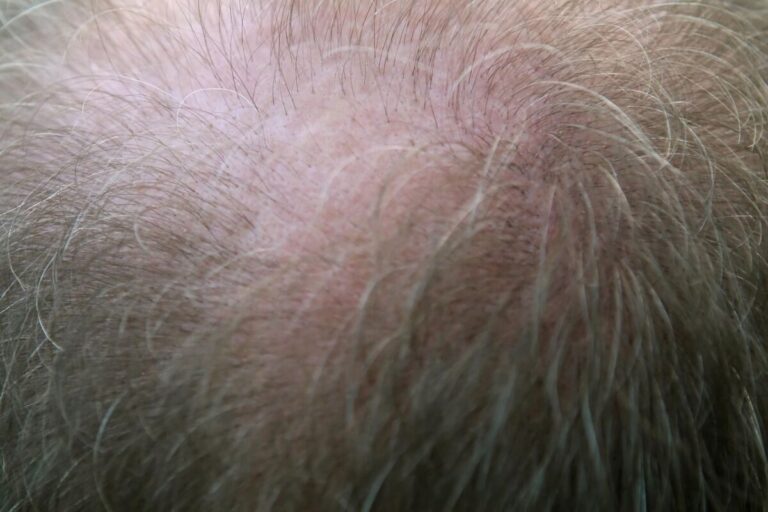
The body prioritizes vital organ function during high stress periods, often diverting essential nutrients away from non-critical areas like follicles. Many readers find that the aftermath of an operation or intense physical trauma leaves their scalp feeling sparse. Maintaining patience while the hair growth cycle resets remains the most crucial aspect of this slow transition back to baseline health.
Recovering hair volume after surgery involves nourishing the scalp with adequate protein intake, managing systemic stress, and avoiding harsh styling practices that pull at fragile strands. Focus on gentle scalp stimulation and consistent nutrient replenishment to support the natural regrowth process over several months.
Key Takeaways
- Clinical data suggests that telogen effluvium, or stress-induced shedding, typically peaks two to three months after a physical trauma or significant operation.
- The hair growth cycle consists of an active anagen phase lasting two to seven years and a dormant telogen phase that usually encompasses 10 to 15 percent of scalp hair.
- Adequate intake of iron and zinc supports healthy follicle function, with research from the National Institutes of Health noting the importance of specific minerals in preventing cellular deficits.
Nutritional Strategies For Recovering Hair Volume After Surgery
Cells require a steady stream of amino acids to produce the structural protein known as keratin. I always tell individuals in our community that hair serves as a secondary concern for the body when it faces repair demands. Prioritize high-quality proteins such as legumes, seeds, and lean sources to ensure the internal supply meets the needs of your follicles.
Iron stores represent a primary factor in the health of your scalp environment. Low ferritin levels often correlate with increased shedding during the months following a procedure. Research from the National Library of Medicine highlights how chronic mineral deficiency influences the structural integrity of hair growth over time.
Vitamins act as cofactors in the complex process of cellular division. Focus on food-based sources of vitamin C to aid the absorption of plant-derived iron. A varied plate filled with colorful vegetables provides the base support your body needs to re-enter a state of active growth.
Practical Steps For Scalp Maintenance
Avoid heavy-duty styling tools that create tension on the roots. Hair shafts often become brittle during recovery periods due to the lack of internal resource allocation. Opt for wide-tooth combs or gentle brushes that minimize mechanical breakage.
Massage serves as a simple method to stimulate local circulation. Use your fingertips to apply light pressure in circular motions across the scalp. This practice helps move blood toward the surface without damaging the follicles.
Keep chemical processes to a minimum while your hair density improves. Bleach and heat-based styling can damage the cuticle layer. Allow your hair to rest in its natural state to prevent further loss.
Table Of Nutrient Density And Hair Support
| Nutrient Source | Primary Benefit | Weekly Frequency |
|---|---|---|
| Pumpkin Seeds | Provides essential zinc | Three servings |
| Dark Leafy Greens | Supplies plant iron | Five servings |
| Citrus Fruits | Increases iron uptake | Four servings |
The Mathematics Of Hair Growth Cycles
Understanding the timeline of your own hair density requires basic math regarding growth rates. The average human hair grows roughly 0.5 inches every month. This means it takes about 180 days to observe a noticeable change in length or density after a shift in physiological health.
Calculate your progress using the three-month rule of thumb. If you started a new nutrition plan after your operation, wait 90 days before expecting visual results. Research from the Centers for Disease Control shows that consistent dietary patterns remain more effective than intermittent interventions for long-term health outcomes.
- Monitor the amount of hair in your brush every two weeks.
- Record changes in hair texture or strength on a simple calendar.
- Adjust your intake if you notice persistent fatigue or skin dryness.
Managing Stress During The Post-Op Phase
High cortisol levels often trigger a dormant phase in follicle development. Your body views surgery as a threat, which leads to the temporary cessation of non-essential activities. Prioritize sleep quality to allow the nervous system to shift into a restorative mode.
Gentle movement helps regulate the hormonal response to stress. Walking or light stretching promotes blood flow throughout the system. These activities provide a positive feedback loop for your general well-being.
Connection with community offers emotional support during recovery. Talking about your frustrations makes the waiting period feel less isolating. Remember that your current state is a temporary reaction to a specific event.
Frequently Asked Questions
Does the type of surgery change how fast hair grows back?
Major procedures involving significant blood loss or long periods of anesthesia often have a more pronounced impact on follicle activity than minor outpatient visits. The body diverts energy toward healing internal incisions, which temporarily halts the production of keratin strands.
Total recovery time depends on your baseline nutritional status and the severity of the inflammatory response. Once the body finishes the initial healing phase, it naturally returns to its normal growth cycle. Most individuals observe a normalization of hair density within six months of the event.
Can supplements help during the recovery period?
Targeted intake of minerals and vitamins assists the body in maintaining its structural tissues. Zinc and iron are common deficiencies that appear after significant physical events. Focus on whole food sources first to ensure optimal absorption by the gut.
Never stop or change any medication without consulting the provider who recommended it. Always check with a professional before adding concentrated pills to your daily routine. Excess levels of certain nutrients can create imbalances that hinder rather than help your progress.
How should I brush my hair while it feels thin?
Use a brush with soft, rounded tips to prevent unnecessary pulling at the roots. Start brushing from the bottom ends and work your way up to the scalp in small sections. This prevents tangles from creating tension that might lead to premature shedding.
Avoid tight ponytails or heavy hair clips that put stress on the hairline. Wearing your hair in loose, comfortable styles protects the shaft from breakage. Minimal manipulation allows the follicles to grow undisturbed while you regain your density.
Will washing my hair more often make it fall out?
Regular cleansing does not cause hair loss, but the act of massaging the scalp can dislodge strands that were already in the shedding phase. This process actually helps clear the scalp surface and promotes a healthy environment for new growth. Use lukewarm water to prevent drying out the hair shaft.
Choose gentle, fragrance-free cleansers that do not strip the natural oils from the skin. A clean scalp remains vital for healthy follicle function. Follow up with a light, plant-based conditioner to keep the hair hydrated and flexible.
What signs indicate that growth is returning to normal?
You may see short, fuzzy hairs appearing along the hairline as the growth cycle shifts back to the active phase. These new strands indicate that the follicles have successfully exited the resting stage. Consistency in your nourishment and stress-management habits supports this transition.
Observe the texture and shine of your existing hair as it improves over time. A reduction in the volume of hair left in your brush is another indicator of stabilization. Patience remains the most important tool during this multi-month phase of bodily renewal.
The Bottom Line
Recovering hair volume after surgery is a natural process that rewards patience and consistent, gentle care. Focus on steady nutrition and low-stress habits to help your body re-enter its cycle of regrowth.
Monitor your progress through the lens of long-term health rather than immediate change. Consult a licensed healthcare provider before starting any new wellness routine.
This information is for educational purposes only and is not intended to replace professional guidance. Do not stop or change any medication without consulting the provider who recommended it.
Get Your FREE Natural Health Guide!
Subscribe now and receive our exclusive ebook packed with natural health tips, practical wellness advice, and easy lifestyle changes, delivered straight to your inbox.