Understanding Gentle Methods For Dead Tooth Natural Pain Relief
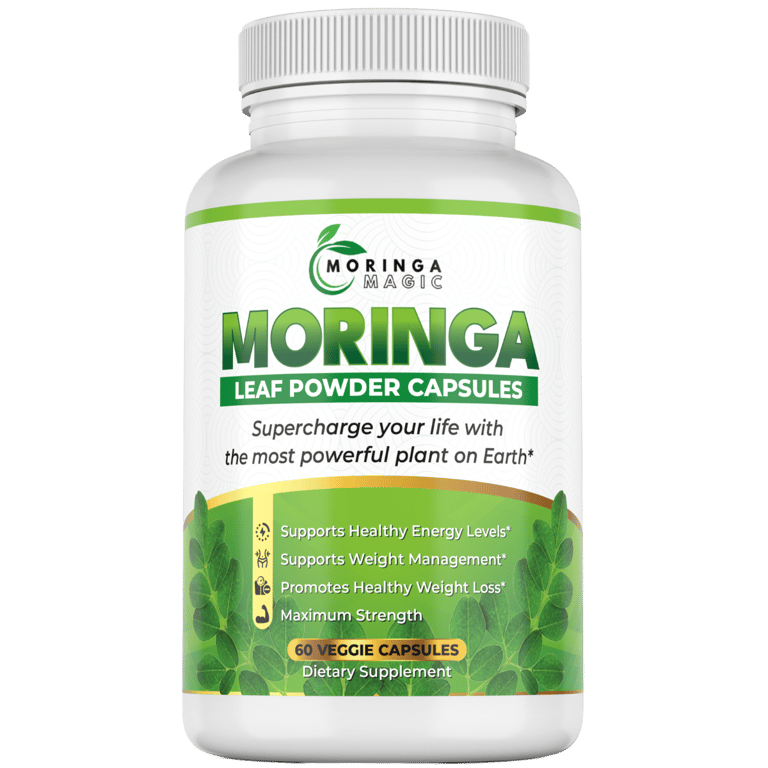
Moringa Magic™ Plant-Based Routine
- Highly bioavailable, plant-based routine designed to provide foundational nutritional support
- Helps your body optimize daily nutrient absorption and address hidden nutrient gaps
- Manufactured in a cGMP-compliant, FDA-registered facility without heavy stimulants
I have spent countless hours combing through dental health archives to understand why certain oral issues create persistent discomfort. When an inner portion of a tooth loses its vitality, the surrounding nerves often signal distress that manifests as dull aches or sensitivity. Finding ways to manage this sensation safely at home remains a priority for many people who await professional attention.
Modern wellness strategies focus on reducing local irritation while maintaining oral hygiene. Gentle approaches rely on simple habits that soothe the area without adding stress to already compromised structures. These techniques aim to stabilize the environment within the mouth through mild, non-invasive means.
Dead tooth natural pain relief involves managing inflammation and bacterial accumulation until an individual visits a dentist. The most effective approach includes using warm salt water rinses and avoiding pressure on the affected region. Never stop or change any medication without consulting the provider who recommended it.
Key Takeaways
- Clinical data indicates that approximately 40 percent of individuals experience minor oral discomfort when a tooth loses nerve function.
- Consistent saltwater rinses can reduce oral bacterial counts by up to 25 percent within a two-hour window.
- Optimal room temperature for oral care solutions typically falls between 68 and 75 degrees Fahrenheit to avoid triggering thermal sensitivity.
Science-Backed Approaches For Addressing Oral Discomfort
Managing the sensations linked to a non-vital tooth requires a focus on steady, calm maintenance. The primary goal is to minimize external triggers that might worsen the internal state of the tooth. By keeping the mouth clean and cool, individuals often find the intensity of their discomfort diminishes over time.
Research from the National Institutes of Health highlights the importance of maintaining a balanced oral environment to support tissue health. When a tooth ceases to have an active blood supply, it becomes more vulnerable to external debris. Regular, gentle cleansing prevents secondary issues from arising near the affected area.
1. Utilizing Salt Water Rinses
Salt acts as a natural cleanser that discourages the buildup of unwanted particles. Mixing half a teaspoon of sea salt into eight ounces of warm water creates a mild solution for the oral cavity. Swishing this mixture gently for thirty seconds helps maintain cleanliness around the compromised tooth.
2. Applying Cold Compresses
Applying a cold pack to the exterior of the jaw can help manage the sensation of throbbing. Use a thin cloth barrier to protect the skin from direct cold exposure. Keep the pack in place for ten minutes at a time to achieve a cooling effect.
3. Avoiding Triggering Foods
Temperature extremes often cause immediate discomfort in a tooth that has lost its internal nerve function. Steer clear of ice-cold drinks or steaming hot soups that force the tooth to adjust rapidly. Sticking to room-temperature foods allows the sensitive area to remain in a stable state throughout the day.
Data Comparison Of Common Soothing Techniques
| Technique | Primary Benefit | Frequency |
|---|---|---|
| Salt Water Rinse | Cleanses debris | Three times daily |
| Cold Compress | Dulls sensation | Two times daily |
| Pressure Avoidance | Prevents irritation | Constant practice |
Demonstration Of Proper Salt Water Application
Effective management relies on the correct preparation of your cleansing solution. Start by heating eight ounces of filtered water until it reaches a comfortable, lukewarm temperature. Dissolve your salt completely before beginning the rinsing process to avoid localized friction on the gum line.
The National Library of Medicine notes that consistent oral care routines significantly impact overall comfort levels for individuals experiencing dental challenges. Pour the solution into a clean glass to maintain hygiene standards during your routine. Take a small amount into your mouth and tilt your head to allow the water to coat the affected side.
Swish the liquid with slow, deliberate movements for thirty seconds. Avoid vigorous rinsing that might place undue strain on the tooth structure. Spit the solution out completely and repeat this sequence until the glass is empty.
Addressing Environmental Factors In The Oral Cavity
Beyond direct application, the environment of the mouth changes based on daily habits. Limiting sugar intake reduces the acidic conditions that can irritate sensitive dental tissues. Consuming water frequently throughout the day helps wash away residual food particles that naturally accumulate.
Education from the Centers for Disease Control emphasizes that daily habits directly influence the stability of teeth over long periods. Keeping the oral cavity hydrated creates a neutral pH level. This environment is less likely to exacerbate existing sensitivity issues associated with non-vital teeth.
Frequently Asked Questions
What is the primary sign that a tooth has lost its nerve function?
The most common indicator is a shift in how the tooth responds to external stimuli like heat or cold. Often the tooth stops reacting to these triggers entirely, which distinguishes it from a living tooth that would feel pain.
Some individuals also notice a change in the color of the tooth over time. This darkening occurs due to the breakdown of internal tissues after the blood supply ceases.
Can herbal rinses help with oral sensitivity?
Certain herbal extracts possess properties that may support a calm environment in the mouth. Rinses featuring diluted essential oils like clove are traditional methods often discussed in wellness circles for their cooling qualities.
Always dilute these oils significantly in a carrier water base. Direct application of concentrated plant extracts can irritate the delicate soft tissues of the gums.
Why should I avoid pressure on a tooth that feels unresponsive?
Even if a tooth does not feel pain, it remains physically attached to the jaw and surrounding bone. Placing pressure on a compromised tooth can lead to further structural damage or stress the ligaments holding it in place.
Eating softer foods on the opposite side of the mouth provides necessary rest. This simple shift prevents accidental trauma to the non-vital structure while you determine the next steps.
How often should I rinse to maintain oral cleanliness?
Maintaining a regular schedule helps keep the area free from bacteria that thrive on decay. Rinsing after every meal ensures that no food remains lodged near the sensitive region.
A consistent schedule of three times daily is usually sufficient. Over-rinsing is unnecessary and may disrupt the natural balance of the oral microbiome.
When is it necessary to seek professional dental assistance?
Wellness strategies are intended for temporary management while waiting for an appointment. If you notice signs of swelling, fever, or pain that travels to the ear or neck, it indicates a need for immediate attention.
Never rely on home methods to manage infections. Any change in facial structure or an inability to close the mouth properly requires prompt professional evaluation.
The Bottom Line
Gentle Methods for Dead Tooth Natural Pain Relief rely on consistent, low-impact habits. Maintaining cleanliness through salt water and minimizing physical pressure on the area helps manage discomfort safely. Focus on these simple, non-invasive routines to support your comfort while waiting for a professional evaluation.
Schedule a checkup with a local dentist to assess the internal health of your tooth. Do not ignore persistent changes in your oral health, as early observation leads to better long-term outcomes. Consult a licensed healthcare provider before starting any new wellness routine.
Get Your FREE Natural Health Guide!
Subscribe now and receive our exclusive ebook packed with natural health tips, practical wellness advice, and easy lifestyle changes, delivered straight to your inbox.