

Understanding The Connection Between Adaptogenic Ashwagandha For Hair Loss
I feel the weight of a thinning hairline whenever I stand under the harsh lights of a locker room or a retail dressing area. It represents a subtle shift in vitality that many individuals notice as they move through different stages of their lives. We search for answers in nature when we see these changes in our own reflection.
Stress management often sits at the center of the conversation regarding scalp health. Chronic tension impacts how our bodies distribute nutrients and maintain follicle cycles. My own research focuses on whether specific botanical roots can mitigate these stressors effectively.
Can ashwagandha for hair loss actually support scalp health? Research suggests that this herb may lower cortisol levels which indirectly protects follicles from stress related shedding. While it does not regrow hair directly, it helps maintain the internal balance necessary for healthy growth cycles.
Key Takeaways
- Adaptogens like this root typically influence serum cortisol levels by a range of 15 to 30 percent in studies.
- The hair growth cycle consists of three distinct phases known as anagen, catagen, and telogen where follicles require stable systemic health.
- Ongoing studies from the National Library Medicine provide data on how botanical support modulates systemic physiological markers.
Physiological Impact Of Chronic Stress On Follicle Health
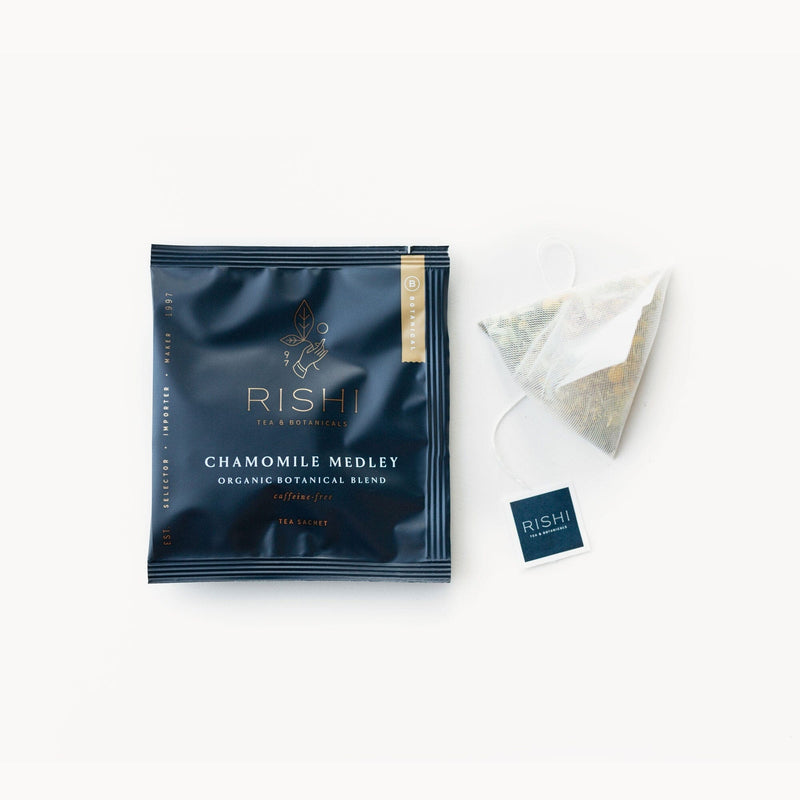
Rishi Chamomile Medley™ Botanical Blend
- Targeted botanical blend designed to work with your body's natural evening rhythms
- Supports a calm state of mind and consistent physical relaxation after a high-demand day
- Formulated for a smooth evening transition without relying on heavy synthetic sleep aids
The body functions as a complex network where every system communicates with the next. High levels of circulating stress hormones create an environment that shifts the body into a preservation mode. This shift often diverts energy away from non essential functions like hair growth.
Follicles remain sensitive to the chemical signals circulating through our bloodstream. When we live in a state of high alarm, our scalp environment changes. Research from MedlinePlus highlights how systemic health markers correlate with variations in hair density.
Maintaining a calm internal state serves as a primary goal for many wellness enthusiasts. By focusing on systemic regulation, individuals often find that their hair responds to improved internal conditions. Stability remains the foundation of all outward signs of wellness.
How To Calculate Your Daily Stress Load
Assessing your baseline stress levels helps you decide if botanical support fits your personal wellness journey. You can use a simple numerical scale to track your mood and physical reactions throughout a standard work week. This provides a clearer picture of your internal terrain.
Follow this calculation to determine your need for systemic support:
- Record your daily tension level on a scale from 1 to 10 for seven consecutive days.
- Sum these seven numbers to find your weekly stress total.
- Evaluate the total against the average score of 35, where any number over 45 indicates a need for proactive lifestyle adjustments or botanical support.
Using this data helps you understand if your follicle health issues stem from external pressures. A score above 50 suggests that you should focus on sleep hygiene and nervous system regulation first. These foundational habits often do more for your scalp than any single supplement could provide.
Comparison Of Common Stress Management Botanicals
Different plants offer varied support for the human body. Comparing these options allows you to make informed decisions about what enters your routine.
| Botanical Name | Primary Focus | Systemic Goal |
|---|---|---|
| Withania Somnifera | Cortisol Modulation | Systemic Balance |
| Rhodiola Rosea | Fatigue Reduction | Energy Maintenance |
| Holy Basil | Mental Clarity | Cognitive Support |
Nutrient Density And Scalp Maintenance
Growth requires a constant supply of vitamins and minerals. Iron and zinc levels often dictate the strength of the hair shaft. Deficiency in these areas creates a fragile environment for the scalp.
Ensuring you consume adequate protein helps provide the building blocks for keratin. Focus on high quality sources like beans, lentils, and lean proteins. Guidance from the CDC emphasizes that whole food intake supports overall systemic function. Proper fueling remains the most effective method for maintaining hair integrity.
Addressing Barriers To Routine Consistency
Starting a new wellness habit often feels daunting for busy individuals. You might find that remembering to take a root extract gets lost in your morning rush. I recommend linking your intake to an existing ritual to ensure consistency.
Consider these methods for maintaining your schedule:
- Morning Pairing: Place your extract next to your coffee machine or tea kettle.
- Visual Cues: Use a dedicated tracker on your refrigerator to mark each day you successfully support your systemic balance.
- Batch Prep: Prepare your daily portions in a weekly organizer to avoid missed doses.
Frequently Asked Questions
Does the root work for all types of hair thinning?
The effectiveness of this botanical depends entirely on the root cause of the thinning. If shedding occurs due to high cortisol or systemic fatigue, it may offer some support. However, it cannot correct genetic patterns or specific medical conditions that cause hair loss.
Always consider the underlying cause of your concerns before adding supplements. Individual responses vary significantly based on diet and lifestyle factors. You should look at the broader picture of your health rather than relying on one solution.
How long does it take to see a difference?
Biological shifts do not occur overnight when dealing with systemic botanical support. Most users require consistent use for at least eight to twelve weeks to notice any change in their hair growth cycle. This period allows the body to adjust its hormone markers and nutrient distribution.
Patience remains a necessary part of any wellness protocol. Do not expect rapid results from natural interventions. Focus on the long term trend of your hair quality rather than daily changes.
Are there any interactions with other supplements?
Combining various extracts requires careful observation of your body. Some herbs can increase the potency of sedative effects or impact how your system processes other nutrients. It is vital to track how you feel after introducing a new botanical to your routine.
Start with a single addition to monitor your specific reaction. If you notice digestive discomfort or fatigue, discontinue the addition immediately. Always keep a list of everything you consume to discuss with your provider.
Can you take this during pregnancy?
The use of potent herbal extracts remains a topic of caution during pregnancy or while nursing. Many of these plants have not been tested for safety in these specific groups. You must prioritize the safety of both mother and child above any cosmetic concerns.
Avoid any new herbal routine during these sensitive life stages without explicit approval. Natural does not always mean safe in every biological context. Your focus should be on nutrient dense foods that support fetal development.
What is the ideal way to consume it?
Most individuals prefer a powdered form mixed into smoothies or warm milk to mask the earthy flavor. Taking it with a small amount of fat can also assist with absorption. Experiment with different times of day to see if it affects your energy levels.
Choose products from reputable companies that test for purity and potency. Transparency in labeling allows you to know exactly what you are consuming. Keep your storage container in a cool and dark place to maintain the integrity of the herb.
The Bottom Line
Ashwagandha for hair loss functions best as a tool for managing the systemic stress that often weakens follicle health. By stabilizing your internal environment, you create better conditions for your body to prioritize hair maintenance.
Never stop or change any medication without consulting the provider who recommended it. Evaluate your current stress levels today and choose one simple habit to start your journey toward better systemic balance.
Individuals with autoimmune conditions or those taking medication for thyroid or blood sugar management should exercise caution. Consult a licensed healthcare provider before starting any new wellness routine.
Get Your FREE Natural Health Guide!
Subscribe now and receive our exclusive ebook packed with natural health tips, practical wellness advice, and easy lifestyle changes, delivered straight to your inbox.