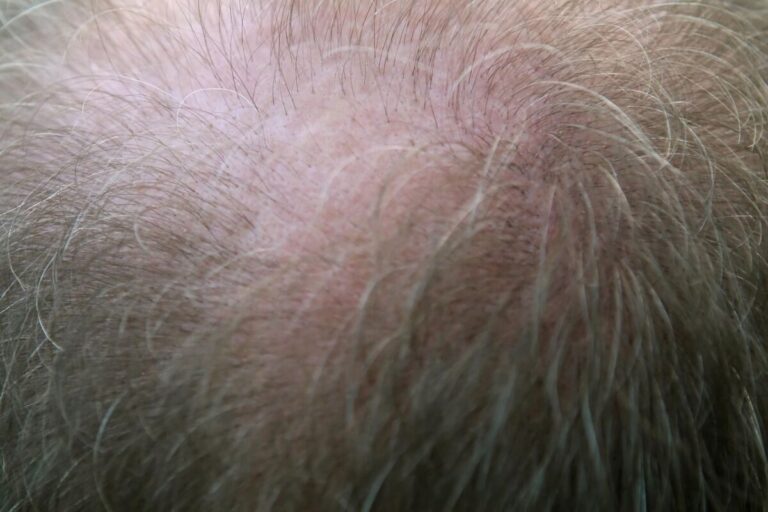
Understanding Growing Hair Back After Sudden Weight Loss Through Metabolic Balancing
I feel the frustration that ripples through our community whenever someone reports thinning strands following a rapid shift in their scale weight. It creates a sense of vulnerability when our physical appearance changes as a direct consequence of intentional health improvements. We often link weight reduction to vitality, yet the follicular fallout tells a different story about our internal resource allocation.
The body prioritizes survival functions when it senses a scarcity of energy or specific nutrients. Hair growth sits low on this priority list, leading the follicles to enter a resting state or fall out entirely during phases of caloric restriction. This process usually persists until the system regains a state of balance and receives consistent nourishment over a sustained period.
Growing hair back after sudden weight loss involves stabilizing your caloric intake, prioritizing dense protein sources, and allowing the follicles to re-enter the growth cycle naturally. By ensuring the body receives enough fuel to support both metabolic demands and non-essential hair production, most individuals see improvements within three to six months. Focus on steady nutrient replenishment rather than quick fixes to foster long-term follicle health.
Key Takeaways
- Hair follicles require adequate energy stores to remain in the active growth phase, known as anagen.
- A deficiency in essential minerals like iron or zinc often triggers shedding when caloric intake drops below 1,200 calories daily.
- Follicular renewal timelines typically span 90 to 120 days, meaning current nutritional changes take months to manifest visibly.
Nutritional Foundations For Follicle Health
The primary driver of shedding after a drop in mass is often a state of chronic energy deficiency. When you restrict intake too severely, your system redirects resources away from the scalp. This creates a state of temporary dormancy for many hair roots.
Research from the National Institutes of Health confirms that metabolic stress correlates with increased shedding. You must provide enough fuel to signal to your body that a state of starvation has passed. Aim for consistent caloric intake that matches your current activity level.
Protein density acts as the building block for all cellular structures. Ensure your daily meals include varied sources of complete proteins. These amino acids provide the raw materials needed for structural integrity.
Specific Macro-Nutrient Support Strategies
Focusing on micronutrients helps resolve the underlying issues caused by restrictive habits. You need to verify that your current intake covers the baseline needs for cell division. The National Library of Medicine highlights that iron deficiency remains a primary factor in cases of diffuse hair thinning. You might consider tracking your intake of heme and non-heme sources to ensure your levels stay within a healthy range.
Iron-rich foods should appear on your plate regularly. Pair these with vitamin C to improve absorption rates significantly. This simple strategy maximizes the utility of the nutrients you consume.
Zinc and biotin serve as essential cofactors for the metabolic processes that support hair density. You can find these in legumes, nuts, and seeds. Diversifying your plate ensures a wide spectrum of these vital compounds.
| Nutrient Group | Primary Goal | Daily Focus |
| High Quality Protein | Provide Amino Acids | Eat Three Servings |
| Iron Compounds | Prevent Deficiency | Check Lab Results |
| Complex Fats | Support Hormones | Add Omega Sources |
The Mathematics Of Recovery
Calculating your energy needs helps you establish a baseline for structural replenishment. Use the Mifflin-St Jeor equation to estimate your total daily energy expenditure accurately. Subtracting more than 500 calories from this number often leads to systemic strain.
Let us look at a practical example for someone weighing 150 pounds with moderate activity. Your maintenance level might reach 2,000 calories per day. If you drop to 1,200 calories, your body perceives a crisis.
The math requires a balanced approach to stay safe. If you lose weight at a rate exceeding two pounds per week, your risk of shedding increases. Aim for a slower pace to keep your hormones and hair cycles stable.
Lifestyle Factors Impacting Retention
Stress management plays a vital role in how your system responds to nutritional changes. High cortisol levels from extreme exercise or emotional strain can extend the resting phase of the hair cycle. You must build in periods of rest and recovery to allow your internal systems to normalize.
Sleep quality directly influences how well your body manages tissue repair. Aim for seven to nine hours of consistent rest each night. This window allows your endocrine system to regulate the signals that govern hair development.
The National Center for Biotechnology Information notes that systemic inflammation interferes with normal follicular activity. Reducing exposure to harsh environmental toxins helps your body focus on internal repair. Simple, clean habits create the best environment for your hair to return to its previous density.
Frequently Asked Questions
Can specific supplements replace a balanced diet during recovery?
Supplements cannot replace the wide variety of nutrients found in whole food sources. While certain compounds support cellular health, they function best as an addition to a nutrient-dense eating plan.
The absorption rates of nutrients from food often exceed those found in isolated pills. Focus on whole foods first to ensure your body receives the necessary cofactors for real structural change.
How long does the restoration process typically take?
The timeline for visible progress usually spans three to six months. This reflects the natural life cycle of the hair, which moves through growth and resting stages over several months.
You may see baby hairs appearing near the hairline as a positive indicator of progress. Persistence with your nutritional habits remains the most important factor in this journey.
Does exercise intensity change the likelihood of hair loss?
Excessive physical strain without proper fueling creates a state of stress that can lead to shedding. High intensity activity requires more fuel than sedentary life, and failing to meet this demand triggers a conservation mode.
Balance your activity levels with your caloric intake to prevent systemic stress. If you notice increased shedding, reduce your intensity and increase your protein intake for a short period.
Are there specific foods that help the most?
Protein-rich foods like eggs, fish, and legumes provide the amino acids required for the production of keratin. These foods offer the highest value for supporting the building blocks of your strands.
Include healthy fats such as avocado or walnuts to support the scalp environment. A diverse diet ensures you do not miss out on smaller but essential trace minerals.
Should I stop losing weight if I see hair thinning?
Pausing your weight reduction phase often helps stabilize your metabolic markers. This gives your body the signal that it is safe to redirect resources to non-essential functions like hair production.
Once your hair density stabilizes, you can reintroduce a very gentle caloric deficit. Always prioritize your long-term health markers over the speed of your weight loss progress.
The Bottom Line
Restoring Your Hair After Sudden Weight Loss requires patience and a commitment to consistent, nourishing habits. By shifting your focus from restriction to replenishment, you provide the environment needed for healthy follicles to return to their active cycle.
Prioritize protein intake and stable caloric levels to support your systemic health. Consult a licensed healthcare provider before starting any new wellness routine.
This content is for educational purposes only and does not provide medical guidance. Never stop or change any medication without consulting the provider who recommended it.
Get Your FREE Natural Health Guide!
Subscribe now and receive our exclusive ebook packed with natural health tips, practical wellness advice, and easy lifestyle changes, delivered straight to your inbox.