Understanding Why Valerian Root For Sleep Rest Works So Well
Lying in bed at night while the clock ticks past midnight creates a unique kind of frustration. Many people toss and turn as their minds loop through the events of the day or worries about tomorrow. Finding a reliable way to signal the nervous system that it is time for silence is a common goal for many.
The botanical world offers various plants that individuals have turned to for generations to encourage relaxation. Valerian is one of the most studied herbs in this space because of its specific chemical profile. My research focuses on how these natural compounds interact with the body to help settle a restless mind before heading to bed.
Valerian root for sleep rest works by increasing levels of gamma aminobutyric acid, or GABA, in the brain. This chemical helps dampen nerve transmission to promote a state of calmness and prepare the body for nocturnal transition. Consistency in use often dictates how effectively an individual perceives these changes in their nightly cycle.
Key Takeaways
- Research published by the National Institutes of Health suggests that some users report shorter time to fall asleep after consistent use.
- Clinical data indicates that the active compounds in the plant tissue, specifically valerenic acid, appear to interact with receptors in the brain to reduce nervous activity.
- Most studies on this herbal preparation involve daily intake periods lasting between two and four weeks to observe noticeable shifts in nocturnal patterns.
Botanical Foundations Of Herbal Relaxation
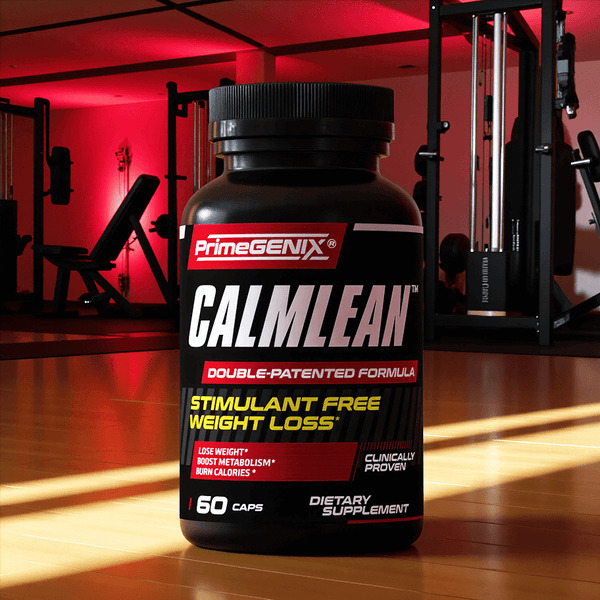
CalmLean™ Stimulant-Free Metabolism Support
- Engineered with ForsLean® to support metabolic baseline without caffeine
- 100% stimulant-free formulation avoids energy crashes and jitters
- Manufactured in a cGMP-compliant, FDA-registered facility
Valerian is a perennial plant with a long history in European and Asian herbal traditions. The part used for wellness purposes is the thick, pungent underground section of the plant. This root contains concentrated essential oils and specific acids that seem to influence human nervous system functions.
The primary compound identified by experts is valerenic acid. This component interacts with GABA receptors which are responsible for regulating excitability in the central nervous system. When these receptors receive the signal to slow down, the physical sensation of tension often fades away.
Many people prefer this option because it acts as a mild sedative without the intensity of synthetic alternatives. The goal remains simple: to create a physiological environment where the brain can easily shift into a resting state. It does not force the body to shut down but rather nudges it toward a natural decline in alertness.
Comparison Of Popular Nighttime Supplements
| Compound | Primary Function | Usage Context |
|---|---|---|
| Valerian Root | Promotes mental calm | Nightly transition phase |
| Magnesium | Relaxes tight muscles | Physical tension management |
| Melatonin | Signals circadian timing | Shift work or travel |
Demonstrating The Two Week Protocol
Consistency is necessary to understand if this plant matches an individual’s chemistry. Many people make the mistake of using the supplement once or twice and expecting profound results. Real shifts in nervous system regulation require a commitment to a structured timeline.
Step One: Start with a low dose, typically between 300 and 600 milligrams, taken one hour before the target lights out time. Keep the dose steady for the first week to ensure the system is not irritated by the introduction of new compounds.
Step Two: Monitor the latency time from hitting the pillow to drifting off. Use a simple journal to record if the mind feels less busy or if physical tension is lower during those first fifteen minutes of rest.
Step Three: Evaluate the results after fourteen consecutive days of application. If the latency period has not shifted, adjust the timing of the dose to two hours before bed or consider consulting with a provider about other factors influencing the nightly experience.
Cofactor Interactions And Synergy
Natural wellness is rarely about one single input. Other nutrients support the same pathways that this herb targets. For instance, adequate levels of magnesium in the diet help keep the nervous system balanced throughout the day.
When the body maintains steady mineral levels, the effect of plant-based tools becomes more apparent. Think of this as preparing the foundation of a house before painting the walls. Without the right nutrients, even the most effective herbs struggle to produce the desired shift in state.
Industry research from the National Library of Medicine highlights how certain dietary patterns influence the efficacy of plant-based extracts. Focusing on a nutrient dense diet remains the most important step for long term wellness. Supplements should only be viewed as a support for this underlying structure.
Environmental Factors Impacting Quality
The space where rest occurs dictates the success of any herbal routine. A cold, dark, and quiet room acts as a physical cue that overrides mental stress. Light exposure from screens blocks natural chemical production in the brain.
Attempting to use herbal aids while keeping a phone next to the pillow creates a conflict. The plant compounds work to lower activity while blue light works to increase alertness. This cycle creates unnecessary resistance for the nervous system.
Individuals who see the best results prioritize a low-light environment starting at least sixty minutes before the head hits the pillow. This simple adjustment ensures the botanical aids have the least amount of resistance to overcome. Creating a sanctuary is just as important as the intake of specific extracts.
Common Barriers To Effective Results
Not everyone experiences the same reaction to plant extracts. Biological individuality plays a large role in how compounds are processed. Some people report a feeling of grogginess the next morning, which usually indicates the dosage is too high for their needs.
Others might find that the smell of the product is too strong, which can interfere with the relaxing atmosphere of the bedroom. These practical barriers are just as significant as the chemical properties of the plant itself. If the experience of using the tool is negative, the goal of relaxation is defeated.
Reliable data from the National Center for Complementary and Integrative Health suggests that quality control among different manufacturers can lead to varying concentrations of active components. Choosing a reputable source for the raw material is an essential step for those seeking consistent outcomes. Avoid products with excessive fillers or additives that do not contribute to the main objective.
Frequently Asked Questions
Can this herbal aid be used alongside other relaxation techniques?
Combining botanical support with behavioral tools like deep breathing or meditation often produces a better outcome than using one alone. These techniques encourage the nervous system to shift into a parasympathetic state, which is the exact phase required for restorative rest. When the body is already primed for stillness, the plant compounds can work more effectively to maintain that state.
Most individuals find that setting a formal wind-down period helps clarify which factors are contributing to their improvement. Using these methods together does not mean there is a fixed rulebook, but rather a flexible approach to managing the transition from a busy day to a quiet night. Listen to how the body responds to each individual addition before combining everything at once.
Are there specific times of day that are better for intake?
Timing the intake is a fundamental aspect of creating a sustainable routine. Because the primary goal is to support the transition to sleep, taking the supplement too early might mean the effect wears off before the individual is ready to turn the lights out. Taking it too late might mean the compounds are still active when it is time to wake up, leading to a sense of heaviness the next morning.
Standard practice involves identifying the specific latency period of the individual. Testing intake at sixty minutes, ninety minutes, and two hours before bed over the course of several days reveals which timing works best. Small variations in this schedule allow individuals to customize their approach to match their specific nightly habits.
What happens if the results are not felt immediately?
Many herbal supplements require a period of accumulation before the body shows a noticeable change. Unlike fast-acting synthetic solutions, plants often work with the body to gradually normalize internal rhythms. This process rarely results in an overnight shift, as the goal is to gently guide the system rather than force it into submission.
Continuing the routine for at least two weeks is the standard recommendation for assessing the impact. During this window, keep a simple record of how the time before bed feels. If no shift occurs after this period, it is possible the plant is not the right fit for that specific biological profile, and it is time to look at other factors like dietary intake or environmental changes.
Is it safe to consume this root every single night?
Daily use is common among those who find the plant effective for their needs. There is no evidence currently suggesting that the body becomes physically dependent on the extract in the same way it might with certain harsh medications. However, it is useful to practice periodic breaks to ensure the body does not become overly accustomed to the input.
Many people find success by using it during higher stress weeks or during travel and taking a break during weekends. This intermittent approach keeps the supplement feeling effective without relying on it as a permanent crutch. Always observe how the body feels when the supplement is removed for a few days to gain better awareness of one’s own natural rhythm.
What is the most effective way to store the product to maintain potency?
Herbal preparations are sensitive to heat, light, and moisture. Storing the container in a cool, dark cupboard is essential to preventing the breakdown of the delicate chemical compounds in the roots. Exposure to the air can also cause the pungent oils to oxidize, which affects the quality of the product.
Keep the lid tightly closed after every use and avoid keeping the container in a bathroom or near a kitchen stove where humidity levels change frequently. Proper storage ensures that the concentration of valerenic acid remains stable from the first dose to the last. Treat the product as a fresh food item to ensure the most consistent quality throughout its lifespan.
The Bottom Line
Valerian root for sleep rest remains a popular tool for individuals seeking a natural way to settle the mind before the sun goes down. Its interaction with GABA receptors offers a gentle nudge toward the tranquility required for a full night of rest. Success relies on consistency, proper timing, and a supportive environment.
Start by choosing a high quality source and commit to a two week trial period to understand how it influences your own unique biology. Track your nightly latency and adjust your schedule accordingly to find the optimal window for your routine. Never stop or change any medication without consulting the provider who recommended it. Consult a licensed healthcare provider before starting any new wellness routine.
Get Your FREE Natural Health Guide!
Subscribe now and receive our exclusive ebook packed with natural health tips, practical wellness advice, and easy lifestyle changes, delivered straight to your inbox.