Embracing Organic Foods for Enhanced Sperm Health Naturally
Nourishing your body with wholesome, organic foods offers a foundational approach to supporting various physiological functions. For men looking to optimize reproductive wellness, focusing on what you eat can be a profound step.
The journey to robust sperm health often starts on the plate. Integrating a diverse array of organic foods ensures a richer intake of essential nutrients and a minimized exposure to certain environmental compounds that may disrupt delicate biological processes.
Understanding the specific roles these organic foods play, from antioxidant powerhouses to vital mineral sources, provides clarity. It allows you to make informed dietary choices that resonate with an overall commitment to well-being.
The Historical Foundation of Dietary Influence on Reproductive Wellness
Human societies across millennia have observed a link between diet and vitality, including the capacity for reproduction. Ancient texts and traditional healing systems frequently recommend specific foods for fertility, long before the advent of modern nutritional science.
These practices often centered on nutrient-dense, unprocessed foods. The emphasis was on what the earth provided directly, free from artificial interventions. This historical wisdom echoes today’s understanding of organic eating.
Modern science now quantifies many of these historical observations. Researchers connect specific vitamins, minerals, and phytonutrients to the intricate cellular processes that govern sperm production and function, reinforcing centuries-old beliefs with empirical data.
- Historical Context: Traditional remedies and folklore linking specific foods to fertility.
- Core Principle: Emphasis on whole, unprocessed, naturally derived sustenance.
- Modern Parallel: Validation of these principles through contemporary nutritional research.
Ancient Wisdom in Modern Practice
Integrating these time-honored dietary principles into a modern lifestyle means prioritizing whole, organic ingredients. It connects us to a lineage of human health practices that understood the body’s dependence on natural inputs.
Antioxidant-Rich Berries: Guardians Against Oxidative Stress
Berries, particularly organic varieties, stand out as vibrant sources of antioxidants. Their deep hues signal a high concentration of beneficial compounds. These powerful molecules are crucial for cellular protection throughout the body.
Sperm cells are particularly vulnerable to oxidative stress. This cellular damage, often caused by an imbalance between free radicals and antioxidants, can compromise sperm motility, morphology, and DNA integrity. Regular consumption of berries helps counter this threat.
Organic berries offer a clean source of these vital antioxidants. Choosing organic reduces exposure to pesticides which can act as endocrine disruptors, potentially exacerbating oxidative burdens on reproductive systems.
- Active Compounds: Anthocyanins, ellagic acid, resveratrol, Vitamin C.
- Best Used For: Protecting sperm DNA and cell membranes from free radical damage.
- Mechanism of Action: Neutralizing reactive oxygen species, supporting mitochondrial function.
Daily Dietary Integration
Blend a cup of organic mixed berries into your morning smoothie or sprinkle them over oatmeal for a potent antioxidant boost.
Leafy Greens: Folate Powerhouses for Genetic Integrity
Organic dark leafy greens, such as spinach, kale, and collard greens, are exceptional sources of folate, also known as Vitamin B9. This vitamin plays a critical role in DNA synthesis and repair.
For sperm health, adequate folate levels are paramount. It directly influences spermatogenesis, the process of sperm production. Insufficient folate can lead to issues with sperm quality, including an increase in chromosomal abnormalities.
By opting for organic leafy greens, you minimize the intake of synthetic agricultural chemicals that could potentially interfere with nutrient absorption or contribute to overall bodily stress. This ensures you receive the purest form of this vital nutrient.
- Active Compound: Folate (Vitamin B9).
- Best Used For: Supporting DNA synthesis, promoting healthy sperm development.
- Mechanism of Action: Essential for methylation processes and nucleotide formation, critical for genetic material.
Incorporating Into Meals
Add a generous handful of organic spinach to your scrambled eggs or sauté kale with garlic as a nutritious side dish.
Pumpkin Seeds: A Rich Source of Zinc and Essential Fatty Acids
Organic pumpkin seeds are a small but mighty food for male reproductive health. They are particularly renowned for their high zinc content.
Zinc is an indispensable mineral for sperm production, testosterone metabolism, and overall male fertility. It contributes to the structural integrity of sperm and aids in their development and motility. A deficiency in zinc can negatively impact sperm count and quality.
Beyond zinc, pumpkin seeds also provide essential omega-3 and omega-6 fatty acids. These healthy fats are crucial for cellular membrane fluidity, including those of sperm cells, supporting optimal function and protection.
- Active Compounds: Zinc, Omega-3 fatty acids, Omega-6 fatty acids.
- Best Used For: Supporting testosterone levels, sperm maturation, and motility.
- Mechanism of Action: Zinc acts as a co-factor for numerous enzymes involved in reproductive processes; fatty acids maintain cell membrane integrity.
Snack Time Strategy
Enjoy a small handful of organic pumpkin seeds as a crunchy, nutrient-dense snack throughout the day.
Tomatoes: Lycopene for Sperm Strength
Organic tomatoes are celebrated for their lycopene content, a potent carotenoid antioxidant. Lycopene gives tomatoes their characteristic red color and offers significant health benefits.
Lycopene has a unique affinity for reproductive tissues. Research suggests it can protect sperm from oxidative damage, improve sperm morphology, and enhance motility. Its bioavailability increases when tomatoes are cooked, making tomato paste or sauce particularly beneficial.
Choosing organic tomatoes minimizes exposure to common agricultural chemicals, ensuring the lycopene you consume is accompanied by the fewest potential disruptors. This pure form allows the body to utilize its protective properties more effectively.
- Active Compound: Lycopene.
- Best Used For: Protecting sperm from oxidative stress, improving morphology and motility.
- Mechanism of Action: Powerful antioxidant action, particularly effective against singlet oxygen, protecting cell membranes.
Optimal Preparation Method
Incorporate cooked organic tomato sauce or paste into your meals, such as in soups, stews, or pasta dishes, to maximize lycopene absorption.
Brazil Nuts: Selenium’s Contribution to Sperm Quality
Organic Brazil nuts are arguably the richest natural source of selenium. Just a few nuts can provide your daily requirement for this crucial trace mineral.
Selenium is vital for spermatogenesis and sperm motility. It functions as a component of antioxidant enzymes, particularly glutathione peroxidase, which shields sperm from oxidative damage. Adequate selenium levels correlate with healthier sperm.
The organic designation for Brazil nuts ensures they are grown without synthetic fertilizers or pesticides, preserving the integrity of their natural selenium content and preventing the introduction of undesirable compounds.
- Active Compound: Selenium.
- Best Used For: Protecting sperm from oxidative damage, supporting sperm maturation and motility.
- Mechanism of Action: Constituent of selenoenzymes, including antioxidant enzymes that safeguard cellular components.
Measured Consumption Guidance
Eat one to two organic Brazil nuts daily to ensure a consistent intake of selenium without excess.
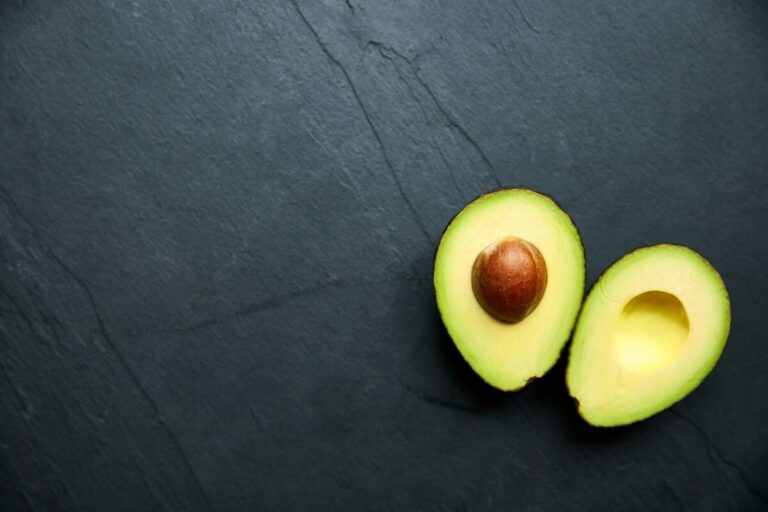
Avocado: Monounsaturated Fats and Vitamin E for Cellular Health
Organic avocados are a treasure trove of nutrients, particularly healthy monounsaturated fats and Vitamin E. These components are essential for maintaining cellular integrity throughout the body.
For sperm health, Vitamin E acts as a fat-soluble antioxidant, protecting sperm cell membranes from lipid peroxidation, a severe form of oxidative damage. The monounsaturated fats contribute to the overall fluidity and function of these membranes.
Opting for organic avocados ensures you’re consuming a fruit grown in healthy soil, free from synthetic chemicals that could compromise its nutritional value or introduce harmful residues.
- Active Compounds: Monounsaturated fatty acids, Vitamin E.
- Best Used For: Protecting sperm cell membranes, supporting overall sperm vitality.
- Mechanism of Action: Vitamin E scavenges free radicals in lipid environments; monounsaturated fats contribute to membrane flexibility and stability.
Culinary Versatility
Slice organic avocado into salads, spread it on whole-grain toast, or incorporate it into guacamole for a creamy, nutrient-dense addition to your diet.
Walnuts: Omega-3 Fatty Acids and Antioxidant Synergy
Organic walnuts are unique among nuts for their high content of alpha-linolenic acid, a plant-based omega-3 fatty acid. They also provide a complex array of antioxidants.
Omega-3 fatty acids are fundamental components of sperm cell membranes. They contribute to membrane fluidity, which is crucial for sperm motility and their capacity for fertilization. The antioxidants in walnuts offer additional protective benefits against cellular damage.
Choosing organic walnuts minimizes the potential for exposure to chemical residues often found on conventionally grown nuts, ensuring you receive a clean and potent source of these essential nutrients.
- Active Compounds: Alpha-linolenic acid (ALA), polyphenols, Vitamin E.
- Best Used For: Enhancing sperm membrane fluidity, protecting against oxidative stress.
- Mechanism of Action: ALA incorporates into sperm membranes, improving fluidity; polyphenols provide broad-spectrum antioxidant protection.
Simple Snack Suggestion
Munch on a small handful of organic walnuts daily as a beneficial snack, or add them to your morning cereal.
Comparing Key Nutrients and Their Impact on Sperm Health
Understanding the specific contributions of various nutrients can help prioritize dietary choices. This table offers a concise overview of key compounds found in organic foods and their roles in male reproductive wellness.
| Nutrient/Compound | Primary Benefit for Sperm Health | Key Organic Food Sources |
|---|---|---|
| Zinc | Supports sperm production and motility, testosterone metabolism. | Pumpkin seeds, beef (grass-fed), lentils. |
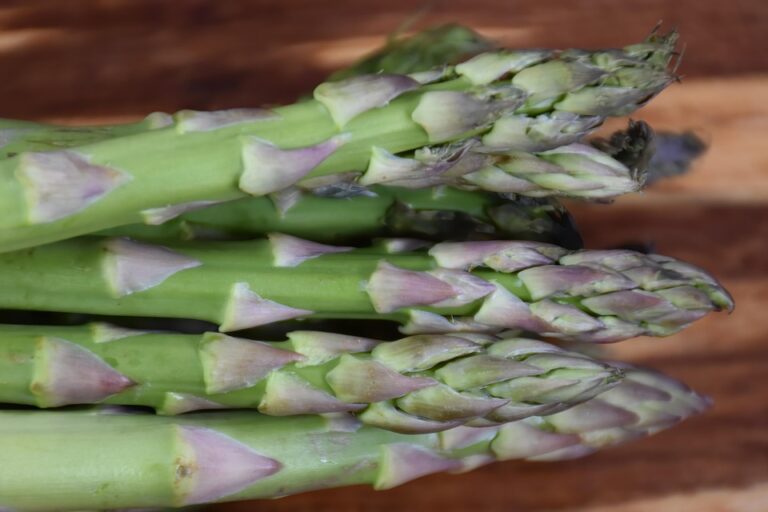
| Folate (Vitamin B9) | Essential for DNA synthesis and repair, genetic integrity. | Leafy greens (spinach, kale), asparagus, legumes. |
| Lycopene | Protects against oxidative damage, improves sperm morphology. | Tomatoes (cooked), watermelon, red bell peppers. |
| Selenium | Antioxidant defense, supports sperm maturation and motility. | Brazil nuts, fish (wild-caught), eggs. |
| Omega-3 Fatty Acids | Enhances sperm membrane fluidity and function. | Walnuts, flaxseeds, chia seeds, fatty fish (wild-caught). |
| Vitamin E | Protects sperm cell membranes from lipid peroxidation. | Avocado, almonds, sunflower seeds, spinach. |
| Vitamin C | Reduces oxidative stress, maintains sperm quality. | Berries, citrus fruits, bell peppers, broccoli. |
Reducing Exposure to Endocrine Disruptors through Organic Choices
Beyond providing beneficial nutrients, choosing organic foods also serves a crucial protective function. It significantly reduces exposure to pesticides and herbicides, many of which are known or suspected endocrine disruptors.
Endocrine disruptors are chemicals that can interfere with the body’s hormonal system. This interference can have wide-ranging effects, including potential impacts on male reproductive hormones and the processes of spermatogenesis.
By consciously selecting organic produce, meats, and dairy, individuals create a cleaner dietary environment. This supports the body’s natural hormonal balance and minimizes external stressors on the reproductive system, fostering a more optimal internal landscape for sperm health. Research from the National Institute of Environmental Health Sciences often discusses the potential impact of such compounds.
- Primary Benefit: Minimizing exposure to synthetic pesticides and herbicides.
- Key Concern: Endocrine disrupting chemicals (EDCs) affecting hormonal balance.
- Mechanism of Action: EDCs mimic or block natural hormones, potentially impacting reproductive pathways.
Conscious Sourcing Practice
Prioritize organic versions of the “Dirty Dozen” list, which includes produce known to have higher pesticide residues, to maximize your reduction in exposure.
Common Dietary Missteps That May Impact Sperm Health
While focusing on beneficial organic foods is essential, being aware of common dietary pitfalls is equally important. Certain eating habits or food choices can inadvertently undermine efforts to support sperm health.
Excessive consumption of highly processed foods, sugary beverages, and trans fats often correlates with reduced sperm quality. These items can contribute to systemic inflammation and oxidative stress, which are detrimental to delicate reproductive cells.
Limiting intake of non-organic produce heavily treated with pesticides also makes a difference. The cumulative effect of these chemical exposures can create an unfavorable environment for optimal sperm development and function.
- Key Missteps: High intake of processed foods, refined sugars, unhealthy fats.
- Associated Impact: Increased inflammation, oxidative stress, potential hormonal imbalance.
- Prevention Strategy: Prioritize whole, unprocessed organic foods and minimize dietary toxins.
Holistic Dietary Adjustment
Systematically reduce your consumption of convenience foods and prioritize home-cooked meals using fresh, organic ingredients to manage your intake more effectively.
Frequently Asked Questions
What is oxidative stress and how does it relate to sperm health?
Oxidative stress occurs when there is an imbalance between free radicals, which are unstable molecules, and antioxidants in the body. For sperm, this imbalance can damage cell membranes and DNA, negatively impacting their motility, morphology, and overall function.
Can specific organic foods replace medical interventions for male fertility?
No, dietary changes are supportive measures. While organic foods can significantly contribute to overall reproductive wellness, they are not a substitute for professional medical advice or treatment. People with underlying conditions often work with a qualified healthcare professional for personalized guidance.
How long does it take to see potential benefits from dietary changes on sperm health?
Spermatogenesis, the full cycle of sperm production, takes approximately 72 to 74 days. Therefore, consistent dietary changes typically require at least three months to potentially show noticeable improvements in sperm parameters.
Is it necessary to eat only organic foods for sperm health?
Prioritizing organic foods, especially for items known to have higher pesticide residues, can reduce exposure to potential endocrine disruptors and ensure a higher nutrient density. While not always feasible to eat 100% organic, making conscious organic choices offers significant benefits. This information is educational and not a substitute for medical advice.
The Bottom Line
Adopting a diet rich in organic foods provides a powerful, natural pathway to supporting male reproductive health. By prioritizing nutrient-dense, antioxidant-rich produce and minimizing exposure to harmful environmental chemicals, you create an optimal internal environment for sperm vitality.
This commitment extends beyond mere eating; it is a holistic approach to wellness. It acknowledges the intricate connection between diet, environment, and cellular function, ultimately empowering the body’s natural capacities.
Begin integrating these organic superfoods into your daily meals. Observe how a mindful approach to nutrition can contribute to a sense of greater overall well-being and confidence in your reproductive health journey.
Get Your FREE Natural Health Guide!
Subscribe now and receive our exclusive ebook packed with natural health tips, practical wellness advice, and easy lifestyle changes, delivered straight to your inbox.