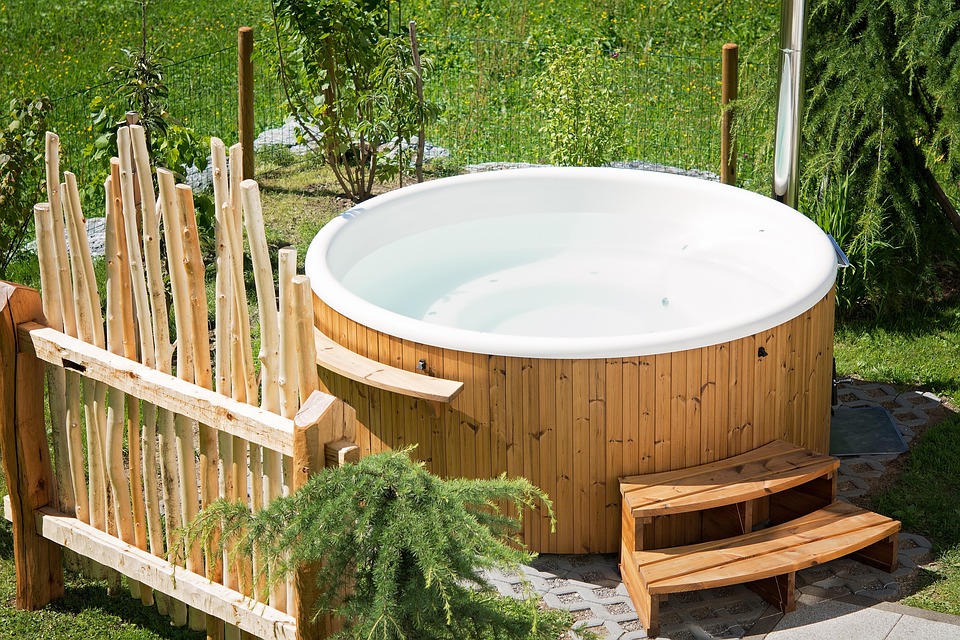

Understanding the Impact: Avoiding Hot Tubs for Sperm Health
For many, a warm, bubbling hot tub represents relaxation and a calming escape. The soothing heat can alleviate muscle tension and provide a sense of overall wellness. It’s a common feature in homes, gyms, and vacation spots, inviting users to unwind in its comforting embrace.
However, for individuals concerned with male reproductive health, particularly those exploring fertility or proactively maintaining it, the implications of prolonged hot water exposure warrant careful consideration. The human body is a finely tuned system, and certain environmental factors can influence its delicate balance.
When discussing male fertility, a key factor is sperm production and maturation. This intricate biological process, known as spermatogenesis, is highly sensitive to temperature fluctuations. Understanding how external heat sources interact with this fundamental process is essential for anyone interested in optimizing their reproductive wellness, making informed choices about
The Physiology of Testicular Thermoregulation
The testes, responsible for both hormone production and spermatogenesis, operate most efficiently at a temperature slightly below core body temperature. This physiological requirement is a fundamental aspect of male reproductive biology. Nature has designed the male anatomy with specific mechanisms to ensure this cooler environment.
The scrotum, the external sac containing the testes, plays a crucial role in thermoregulation. It functions as a natural climate control system, allowing the testes to hang away from the body when temperatures rise, facilitating heat dissipation. Conversely, in colder conditions, the cremaster muscle contracts, drawing the testes closer to the body for warmth.
Blood flow also contributes to this delicate balance. The pampiniform plexus, a network of veins surrounding the testicular artery, acts as a countercurrent heat exchanger. It cools arterial blood before it reaches the testes, further maintaining the optimal temperature for sperm development. Disruptions to this natural cooling system can impact the cellular processes within the testes.
The intricate mechanisms of testicular temperature control are not merely theoretical; they have practical implications for everyday lifestyle choices. Prolonged exposure to elevated temperatures can challenge these natural cooling strategies, potentially influencing the environment where sperm cells are generated and mature.
Key Thermoregulatory Mechanisms
- Scrotal Position: Adjusts distance from body to regulate heat.
- Cremaster Muscle: Contracts or relaxes to move testes closer or further from body.
- Pampiniform Plexus: Vascular network that cools arterial blood entering testes.
- Optimal Temperature: Generally 2-4 degrees Celsius below core body temperature.
Lifestyle Considerations
Understanding these physiological adaptations provides a clear foundation. Individuals often discuss the effects of external heat with a qualified healthcare professional, particularly when considering factors that might influence male reproductive wellness.
Historical Perspectives on Heat and Fertility
The understanding that heat can influence male fertility isn’t a new concept; it has roots in observations spanning centuries. Early medical practitioners and researchers noted connections between occupational heat exposure and reproductive outcomes. While not always understood at a cellular level, empirical evidence often pointed towards caution.
For example, some historical texts describe how certain professions involving prolonged exposure to high temperatures, such as blacksmiths or glassblowers, were sometimes associated with different reproductive patterns. These observations, though anecdotal, laid groundwork for future scientific inquiry into the specifics of thermoregulation.
In the 20th century, as scientific methods advanced, researchers began to quantify the effects of heat more systematically. Early studies, often conducted on animal models, demonstrated clear impacts of scrotal hyperthermia on semen parameters. These foundational findings helped shift the understanding from mere correlation to a more defined causal link.
These historical insights are important because they underscore the consistent nature of this physiological principle across time and various environmental factors. It demonstrates a long-standing awareness of the testes’ sensitivity to thermal changes, validating current scientific discussions.
Historical Insights
- Early Observations: Noted links between hot occupations and fertility.
- Animal Studies: Confirmed impact of scrotal heating on semen quality.
- Physiological Principle: Heat sensitivity of testes is a consistent biological factor.
Considering Modern Environments
This historical context helps frame modern discussions about how everyday heat sources, like hot tubs, might interact with long-established biological principles of male reproductive health. It is a topic people frequently discuss with their healthcare provider for personalized guidance.
How Hot Tubs May Influence Sperm Production
The core issue with hot tubs for male reproductive health revolves around sustained exposure to elevated temperatures. When an individual immerses themselves in hot water, the scrotal temperature can rise, potentially exceeding the optimal range required for healthy spermatogenesis. This elevation can occur despite the body’s natural thermoregulatory efforts.
Spermatogenesis is a complex, multi-stage process involving the division and maturation of germ cells into mature sperm. Each stage is temperature-sensitive. Elevated temperatures can disrupt cellular division, DNA synthesis, and protein folding, all crucial for forming viable sperm. This disruption isn’t always immediate but can have cumulative effects.
Moreover, heat stress can influence the delicate hormonal balance within the testes. While specific mechanisms are still explored, alterations in local hormone concentrations, such as testosterone, can occur. These hormonal shifts might further impede the efficient progression of sperm development and maturation.
The duration and frequency of hot tub use are also important factors. Occasional, brief exposure may have different implications than regular, prolonged sessions. The body’s capacity to recover and re-establish optimal conditions can vary among individuals. People often discuss these variables with a qualified healthcare professional for personalized guidance.
Potential Mechanisms of Influence
- Cellular Disruption: Impaired DNA synthesis and protein folding.
- Spermatogenesis Impact: Disrupted germ cell division and maturation.
- Hormonal Shifts: Possible alterations in local testicular hormone levels.
Making Informed Choices
Understanding these potential influences helps individuals make decisions regarding activities that might affect their reproductive wellness. Exploring these topics with a clinician is a common practice.
Understanding Semen Parameters
When discussing male fertility, several key
Sperm count refers to the total number of sperm present in a given volume of semen. A higher count generally correlates with a greater likelihood of conception.
Sperm morphology relates to the shape and structure of individual sperm. Sperm with normal morphology are more likely to successfully navigate the female reproductive tract and fertilize an egg. Abnormal shapes can hinder motility or fertilization capability.
Finally,
Many people work with a qualified healthcare professional to understand their individual semen parameters and discuss how lifestyle choices might support their reproductive wellness. This information is educational and not a substitute for medical advice.
| Semen Parameter | Description | Potential Impact of Heat |
|---|---|---|
| Sperm Count | Total number of sperm per ejaculation. | Can be reduced due to impaired spermatogenesis. |
| Sperm Motility | Ability of sperm to move effectively. | Often observed as decreased forward progression. |
| Sperm Morphology | Percentage of normally shaped sperm. | May show an increase in abnormally formed sperm. |
| Sperm Viability | Percentage of live sperm in the sample. | Can experience a reduction in live, functional cells. |
Evaluating Reproductive Health
Understanding these specific parameters allows for a more precise discussion around factors that may influence male reproductive health. People with underlying conditions often work with a qualified healthcare professional for personalized guidance.
Studies and Research Findings on Heat Exposure
Research over the past several decades has provided compelling evidence regarding the relationship between heat exposure and semen quality. Various studies have investigated different forms of thermal stress, including fevers, occupational heat, heated car seats, and, notably, hot tubs and saunas. The consistency of findings across these different exposures strengthens the overall understanding.
One notable area of research focuses on how quickly and significantly hot tub use can affect semen parameters. Some studies indicate that even relatively brief, regular hot tub sessions can lead to measurable changes. For instance, a study published in the journal Human Reproduction examined men who discontinued hot tub use and observed improvements in their sperm parameters over time. This suggests a reversible effect for some individuals.
Other investigations have explored the dose-response relationship, considering the frequency, duration, and temperature of hot water exposure. The general consensus points to a greater impact with more frequent and prolonged sessions. This data helps in establishing general guidelines for individuals concerned about their reproductive health.
While the extent of the impact can vary among individuals, the physiological principle remains consistent: elevated scrotal temperatures can be associated with changes in semen quality. This information is educational and not a substitute for medical advice.
Key Research Insights
- Consistent Findings: Various heat sources show similar effects on sperm.
- Reversibility: Some studies suggest semen parameters can improve after discontinuing hot tub use.
- Dose-Response: Greater impact with more frequent and prolonged exposure.
Informing Lifestyle Choices
The collective body of research underscores the importance of being mindful of heat exposure for male reproductive wellness. People often discuss these factors with their healthcare provider to make informed lifestyle choices.
Other Heat Sources to Consider
While hot tubs are a primary focus for many discussions on heat and sperm health, they are not the only potential source of elevated scrotal temperatures. Several other common lifestyle and environmental factors can contribute to thermal stress on the testes. Being aware of these additional sources provides a more comprehensive approach to reproductive wellness.
Prolonged use of
Certain occupational hazards, such as working in environments with high ambient temperatures, can also contribute. Truck drivers, chefs, or individuals working in industrial settings may experience sustained heat exposure. Even
Fever, a systemic increase in body temperature due to illness, can also temporarily affect sperm production. While different from external heat sources, it highlights the body’s sensitivity to temperature. Understanding these varied sources allows individuals to adopt a holistic approach to managing thermal influences on reproductive health.
Common Heat Sources
- Laptops on Lap: Direct heat transfer and reduced airflow.
- Tight Clothing: Restricts airflow, keeps testes closer to body.
- Heated Car Seats: Prolonged localized heating.
- Occupational Exposure: High ambient temperatures in certain jobs.
Adopting Cooler Practices
Considering these diverse heat sources encourages a broader perspective on lifestyle adjustments that may support male reproductive health. Many individuals choose to explore these considerations with a qualified healthcare provider.
Practical Strategies for Reproductive Wellness
For individuals prioritizing male reproductive health, implementing practical strategies to manage scrotal temperature is a proactive step. These approaches often involve simple adjustments to daily routines and habits, focusing on supporting the body’s natural thermoregulatory mechanisms. The goal is to create an optimal environment for sperm production without drastic lifestyle overhauls.
A primary recommendation is to
Opting for
When using electronic devices like laptops, placing them on a
Key Lifestyle Adjustments
- Hot Tub/Sauna Use: Limit duration and frequency, or avoid.
- Clothing Choices: Prefer loose-fitting, breathable fabrics like cotton.
- Laptop Placement: Use on a desk or with a cooling pad.
- Heated Seats: Be mindful of prolonged use.
Implementing Supportive Habits
Adopting these strategies can be part of a broader approach to supporting male reproductive health. Many individuals find it beneficial to discuss these lifestyle adjustments with their healthcare provider for personalized guidance.
Frequently Asked Questions
Does a single hot tub session permanently damage sperm?
A single hot tub session typically does not cause permanent damage to sperm. The effects of heat on sperm parameters are often temporary and can be reversible. The testes usually return to their optimal temperature, and sperm production can normalize over time. However, repeated or prolonged exposure may have more sustained implications, which people often discuss with a qualified healthcare professional.
How long do the effects of heat exposure last on sperm?
The time it takes for sperm parameters to recover after heat exposure can vary. Spermatogenesis is a process that takes approximately 72 to 74 days. Therefore, any significant impact from heat might be reflected in semen quality for several weeks or months. Recovery often begins once the heat source is removed, and new, healthy sperm are produced. This information is educational and not a substitute for medical advice.
Are cold showers or ice packs beneficial for sperm health?
Some individuals explore strategies like cold showers or using ice packs on the scrotal area to counteract heat effects. While the concept of cooling aligns with optimal testicular temperature, there is limited robust scientific evidence to definitively recommend these as routine practices for improving sperm health. Extreme cold can also be detrimental. People interested in such methods often work with a qualified healthcare professional for personalized guidance.
Is swimming in a warm pool similar to a hot tub concerning sperm health?
A warm swimming pool typically does not reach the same temperatures as a hot tub, and therefore presents less of a concern for sperm health. Hot tubs often maintain temperatures between 100-104°F (37.8-40°C), while warm pools are generally much cooler. The critical factor is the sustained elevation of scrotal temperature. Swimming in a pool that is comfortably warm but not excessively hot is generally considered less impactful than a hot tub.
The Bottom Line
The science is clear: maintaining optimal testicular temperature is a fundamental aspect of male reproductive health. Hot tubs, by their very nature, can elevate scrotal temperatures above this ideal range, potentially influencing sperm production and quality. While the effects are often reversible for many individuals, proactive management of heat exposure is a prudent step for anyone prioritizing their reproductive wellness.
Consider mindful adjustments to your lifestyle, focusing on choices that support the body’s natural cooling mechanisms. Consulting with a healthcare provider is a valuable next step for personalized advice and to address any specific concerns regarding male reproductive health.
Get Your FREE Natural Health Guide!
Subscribe now and receive our exclusive ebook packed with natural health tips, practical wellness advice, and easy lifestyle changes, delivered straight to your inbox.