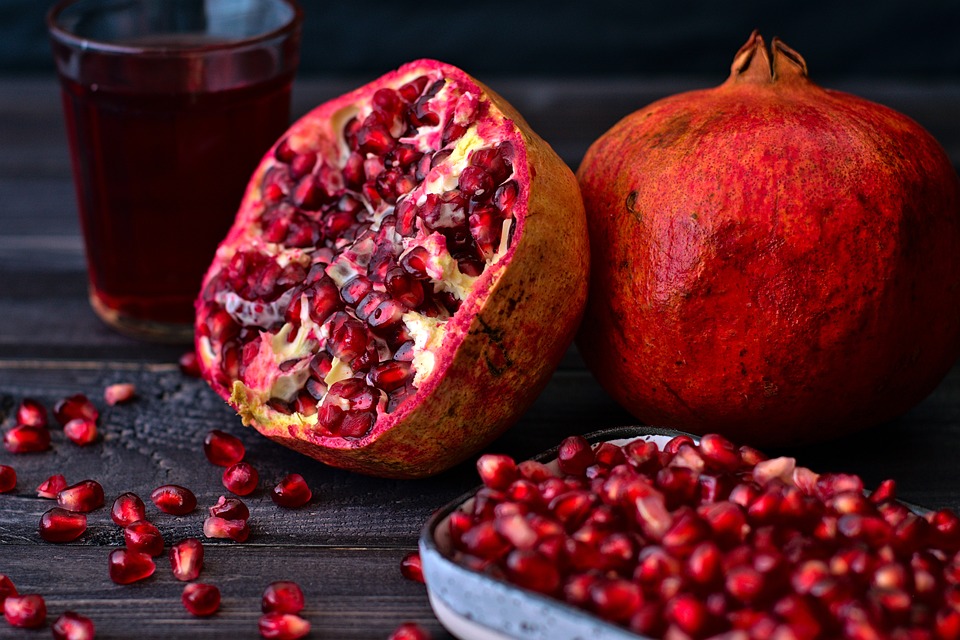

Exploring Pomegranate Juice for Supporting Male Vitality
Many individuals seek natural approaches to enhance their overall well-being, including aspects of male vitality. The discussion around lifestyle factors and dietary choices often includes fruits recognized for their rich nutritional profiles.
Among these, pomegranate juice for sperm flow has garnered considerable interest, prompting a closer look at its potential contributions to a health-supportive diet.
This deep dive examines the nutritional components of pomegranate and how they may align with a general wellness strategy, without making definitive health claims about specific biological functions.
A Legacy of Wellness: Pomegranate Through Time
The pomegranate fruit carries a rich history, interwoven with ancient cultures and traditions across various civilizations. From its origins in Persia to its spread across the Mediterranean, Asia, and beyond, it has long been revered.
Historically, the pomegranate has symbolized fertility, abundance, and health in numerous cultures. It frequently appears in mythology, art, and ancient texts as a fruit of profound significance, often associated with life-giving properties.
While these historical associations are largely symbolic, they highlight the long-standing human appreciation for the fruit’s unique qualities. Modern understanding now points to its complex biochemical makeup, which provides a basis for its perceived value.
Exploring these traditional perspectives offers context to why people continue to investigate pomegranate’s role in supporting general health and vitality.
The Biochemical Foundation: Antioxidants and Polyphenols
Pomegranate juice is well known for its robust antioxidant capacity, a property often discussed in the context of cellular protection. These compounds work to neutralize free radicals, which are unstable molecules that can cause oxidative stress within the body.
The primary beneficial components in pomegranate are a class of plant compounds known as polyphenols. These molecules contribute significantly to the fruit’s distinctive color and flavor, and are a key area of focus for wellness discussions.
Among the most prominent polyphenols are punicalagins and ellagic acid, which are highly concentrated in pomegranate. These specific compounds are central to the fruit’s reputation as a rich source of plant-derived nutrients.
Understanding these biochemical foundations helps clarify why pomegranate juice is frequently considered a valuable addition to a diet aimed at supporting general cellular health.
Punicalagins: Key Antioxidant Compounds
Punicalagins are potent antioxidants unique to pomegranate, comprising a significant portion of its polyphenol content. They are responsible for a substantial part of the fruit’s antioxidant activity.
These compounds undergo metabolic transformation within the body, leading to the formation of other beneficial compounds. This complex process contributes to their wide-ranging influence on general physiological well-being.
Their presence in high concentrations makes pomegranate a standout fruit in discussions about antioxidant-rich dietary choices. The body’s natural defense systems benefit from such contributions.
Individuals seeking to support their body’s capacity to manage oxidative stress often consider foods rich in compounds like punicalagins.
Nutrient Profile Snapshot
- Active Compound: Punicalagins
- Best Used For: Contributing to antioxidant defense systems
- Mechanism of Action: Supports the body’s ability to neutralize free radicals
Incorporation Guidance
To integrate more punicalagins into your routine, consistently include fresh pomegranate juice. Aim for a moderate, regular intake as part of your broader dietary choices.
Ellagic Acid: Another Important Polyphenol
Ellagic acid is another significant polyphenol found in pomegranates, working in concert with punicalagins to provide comprehensive antioxidant support. It is also present in other berries and nuts.
This compound contributes to the broad spectrum of plant chemicals that are increasingly recognized for their potential to support various bodily systems. A varied diet often provides a richer array of these substances.
While often discussed for its individual properties, ellagic acid’s true strength may lie in its synergistic interaction with other compounds in the fruit. This multi-compound effect is a hallmark of whole-food nutrition.
Including sources of ellagic acid can be a part of a nutritional strategy to support general cellular vitality and overall wellness.
Nutrient Profile Snapshot
- Active Compound: Ellagic Acid
- Best Used For: Complementing the body’s antioxidant network
- Mechanism of Action: Helps maintain cellular integrity against oxidative factors
Daily Consumption Strategy
Consider pomegranate juice as a regular part of your daily liquid intake, balancing it with water and other healthy beverages for optimal benefit.
Beyond Antioxidants: Vitamins and Minerals
While polyphenols often take center stage, pomegranate juice also delivers an array of essential vitamins and minerals crucial for general health. These micronutrients play diverse roles across numerous bodily functions.
Notably, pomegranate contains Vitamin C, a well-known antioxidant vitamin that supports immune function and collagen formation. It’s a critical nutrient for maintaining many aspects of physical well-being.
The fruit also provides a source of folate, a B-vitamin vital for cell growth and division. Folate is an important component of a balanced diet, often highlighted for its role in various metabolic processes.
These additional nutrients underscore the comprehensive nutritional value of pomegranate, extending its benefits beyond just its antioxidant compounds.
Vitamin C: A Vital Nutrient
Vitamin C, or ascorbic acid, is an essential water-soluble vitamin that the human body cannot produce on its own. It must be obtained through diet or supplementation.
It acts as an antioxidant, contributing to the protection of cells from oxidative stress. Beyond this, Vitamin C is involved in numerous metabolic reactions, supporting overall physiological balance.
Adequate Vitamin C intake is frequently associated with general vitality and maintaining healthy tissues throughout the body. Fruits like pomegranate are excellent natural sources.
A diet rich in Vitamin C is a foundational element of a comprehensive wellness plan, supporting various aspects of health.
Nutrient Profile Snapshot
- Active Compound: Vitamin C (Ascorbic Acid)
- Best Used For: General antioxidant protection and immune system support
- Mechanism of Action: Neutralizes free radicals and aids enzymatic functions
Dietary Inclusion Tip
Aim to include sources of Vitamin C daily, and pomegranate juice can be a flavorful way to contribute to this essential nutrient intake.
Folate: Supporting Cellular Processes
Folate, also known as Vitamin B9, plays a fundamental role in DNA synthesis and repair. These processes are critical for the growth and division of all cells in the body.
It is particularly important for rapidly dividing cells, making it a key nutrient for general cellular health and tissue maintenance. Many leafy greens and legumes are also rich in folate.
Including sufficient folate in the diet is a recommendation for general well-being across all stages of life. Pomegranate juice can contribute a modest amount to daily requirements.
Supporting cellular processes through adequate folate intake is a broad strategy for maintaining overall health and vitality.
Nutrient Profile Snapshot
- Active Compound: Folate (Vitamin B9)
- Best Used For: Supporting DNA synthesis and general cellular health
- Mechanism of Action: Essential coenzyme in various metabolic pathways
Integration into Meals
Combine pomegranate juice with a meal that includes other folate-rich foods to maximize your overall nutrient absorption and benefit.
Choosing and Preparing Pomegranate Juice
The quality and preparation of pomegranate juice significantly impact its potential benefits. Selecting the right product and understanding how to consume it can make a difference.
When selecting pomegranate juice, prioritize options that are 100% pure pomegranate juice without added sugars, artificial flavors, or excessive preservatives. Reading labels is crucial.
Freshly squeezed juice is often considered optimal, as it retains the maximum amount of heat-sensitive nutrients. However, high-quality, cold-pressed commercial options can also be excellent choices.
Diluting concentrated pomegranate juice with water can make it more palatable and reduce its natural tartness, while also helping to manage sugar intake.
Understanding Juice Labels
A close examination of juice labels is essential for ensuring you are getting a genuine product. Look for phrases like “100% pomegranate juice” or “pure pomegranate.”
Avoid products labeled as “cocktail,” “drink,” or “blend” if your goal is concentrated pomegranate benefits. These often contain significant amounts of other fruit juices or added sweeteners.
Some juices may also be pasteurized, a heat treatment that extends shelf life but can sometimes affect certain nutrient compounds. Raw, unpasteurized juices exist but require careful handling due to shorter shelf lives.
Making an an informed choice at the grocery store empowers you to select the best option for your health objectives.
Selection Protocol
- Product Type: 100% Pure Pomegranate Juice
- Key Indicator: No added sugars or artificial ingredients
- Consideration: Cold-pressed or freshly squeezed options
Optimal Selection Method
Always inspect the ingredient list for purity and ensure no unnecessary additives are present, choosing organic varieties when available.
Dilution and Timing
While delicious, pure pomegranate juice can be quite concentrated. Diluting it with water can make it easier to consume regularly and helps regulate sugar intake.
A common approach involves mixing one part pomegranate juice with one or two parts water. This can also help mitigate any potential tartness or acidity for some individuals.
The timing of consumption can vary based on personal preference. Some prefer it in the morning, while others enjoy it as a refreshing beverage throughout the day.
Consistency is often more important than precise timing when incorporating a beneficial food into your daily regimen.
Recommended Protocol
- Dilution Ratio: 1 part juice to 1-2 parts water
- Best Timing: Consistent daily intake, anytime
- Consideration: Can be consumed with meals or on its own
Personalized Consumption
Experiment with dilution ratios and timing to find what works best for your taste preferences and digestive comfort.
Pomegranate and Overall Lifestyle Considerations
Integrating pomegranate juice into a broader healthy lifestyle is key. No single food acts in isolation, and its effects are always part of a larger dietary and lifestyle context.
A balanced diet rich in whole foods, regular physical activity, adequate sleep, and effective stress management are all foundational elements of general vitality and well-being.
Pomegranate juice serves as a complementary addition to this holistic approach. It provides beneficial nutrients that support the body’s natural functions.
Remember that sustained wellness comes from consistent healthy choices across multiple domains, rather than relying on any single “superfood.”
Table: Key Nutrients and Their General Wellness Roles
| Nutrient/Compound | Primary Source in Pomegranate | General Wellness Role |
|---|---|---|
| Punicalagins | Juice, peel, seeds | Strong antioxidant activity, supports cellular health |
| Ellagic Acid | Juice, seeds | Antioxidant support, contributes to cellular integrity |
| Vitamin C | Juice | Immune support, antioxidant, collagen formation |
| Folate (Vitamin B9) | Juice | Supports cell growth and division, DNA synthesis |
| Dietary Fiber | Seeds (if blended) | Supports digestive health, promotes satiety |
Consulting a Professional
People with underlying conditions often work with a qualified healthcare professional for personalized guidance regarding dietary changes or specific wellness goals. This information is educational and not a substitute for medical advice.
If you have specific health concerns, are taking medications, or are planning significant dietary adjustments, seeking professional advice is a prudent step.
A healthcare professional can offer tailored recommendations that consider your individual health profile and needs. This ensures any changes are safe and appropriate for you.
Responsible health management always involves an open dialogue with trusted medical advisors, particularly regarding sensitive health topics.
Common Misconceptions About Pomegranate Juice
Despite its long-standing reputation, several misconceptions about pomegranate juice can arise, particularly when discussing specific health outcomes. It is important to approach information with clarity and a balanced perspective.
One common misunderstanding is the expectation of immediate or dramatic changes from consuming pomegranate juice. Dietary influences on complex biological systems typically manifest gradually, as part of sustained, healthy habits.
Another misconception is viewing pomegranate juice as a standalone “cure-all.” While nutrient-rich, it functions as a supportive element within a comprehensive health strategy, not as a singular intervention.
Understanding these points helps set realistic expectations and emphasizes the importance of integrating such foods into a broader, well-rounded approach to health. Research from the National Institutes of Health often discusses the role of dietary components in general health, highlighting the complex interplay of nutrition.
Clarifying Expectations
Expecting quick or transformative results from any single dietary change can lead to disappointment. The body responds to consistent inputs over time.
Dietary improvements contribute to a cumulative effect, supporting overall health gradually rather than providing instantaneous solutions to specific issues.
Framing pomegranate juice as a part of a long-term wellness strategy helps maintain a sustainable and realistic perspective on its role in health.
It’s about cultivating a pattern of healthy choices that collectively support your body’s natural functions.
Mindset Adjustment
- Expectation: Gradual support of general vitality
- Avoid: Anticipating immediate or dramatic shifts
- Focus: Consistent integration into a healthy lifestyle
Realistic Outlook
Embrace the long-term journey of wellness, understanding that dietary choices contribute to a cumulative positive impact over time.
Avoiding the “Magic Bullet” Trap
The concept of a “magic bullet” solution for health challenges is alluring but often misleading. Complex biological systems rarely respond to single interventions in isolation.
Pomegranate juice, while nutritionally valuable, cannot override other unhealthy lifestyle factors. Its benefits are best realized when paired with a generally healthy way of living.
Think of it as one valuable piece of a larger puzzle that includes balanced nutrition, regular physical activity, sufficient rest, and stress management.
Emphasizing a holistic approach helps prevent overreliance on any single food item and promotes a more comprehensive understanding of health.
Holistic Perspective
- Role of Juice: A supportive component in a broad wellness plan
- Avoid: Treating it as a standalone solution for specific conditions
- Complement With: Balanced diet, exercise, adequate sleep, stress reduction
Comprehensive Strategy
Integrate pomegranate juice thoughtfully alongside other beneficial health practices to foster overall well-being.
Frequently Asked Questions
Is organic pomegranate juice better?
Choosing organic pomegranate juice may reduce exposure to certain pesticides and herbicides. While the nutritional content can be similar, some prefer organic for environmental and personal health considerations. Always check for 100% pure juice with no added sugars, regardless of whether it is organic or conventional.
How much pomegranate juice should I consume daily?
There isn’t a universally prescribed daily amount, as individual needs vary. A common suggestion for regular intake might be 4 to 8 ounces of 100% pure, unsweetened pomegranate juice daily, potentially diluted with water. It’s always a good idea to discuss specific dietary intake with a healthcare professional, especially if you have existing health conditions.
Can I get the same benefits from eating the whole fruit?
Eating the whole pomegranate fruit provides not only the juice but also beneficial fiber from the arils (seeds). This fiber supports digestive health and can help moderate sugar absorption. While the juice concentrates many of the polyphenols, consuming the whole fruit offers a more complete nutritional profile, including the insoluble fiber that is mostly absent in filtered juice.
Are there any potential interactions with medications?
Pomegranate juice can interact with certain medications, particularly those metabolized by specific liver enzymes (like some blood thinners or cholesterol-lowering drugs). It is crucial to consult with a qualified healthcare professional or pharmacist if you are taking any prescription medications before significantly increasing your intake of pomegranate juice. They can provide personalized advice based on your medical history.
The Bottom Line
Pomegranate juice stands out as a nutrient-dense beverage, rich in antioxidants and various vitamins, offering a valuable contribution to a health-supportive diet. Its historical significance and comprehensive biochemical profile make it an interesting subject for those exploring natural pathways to general vitality.
While often discussed for its potential to support specific aspects of male wellness, it is best understood as a complementary component within a broader, balanced lifestyle. The key lies in consistent integration alongside other healthy habits, always with realistic expectations.
For individuals seeking to bolster their general well-being, incorporating high-quality pomegranate juice can be a thoughtful dietary addition, supporting overall cellular health and vitality.
Start by selecting pure, unsweetened pomegranate juice and consider integrating it moderately into your daily routine as part of a comprehensive wellness strategy.
Get Your FREE Natural Health Guide!
Subscribe now and receive our exclusive ebook packed with natural health tips, practical wellness advice, and easy lifestyle changes, delivered straight to your inbox.