Optimizing Testosterone Levels: The Crucial Role of Eating Enough Calories Daily
Maintaining optimal hormonal balance is fundamental for men’s health. Among these vital hormones, testosterone holds a central position, influencing energy, mood, muscle mass, and overall vitality. Many factors contribute to its production and regulation within the body.
One often overlooked yet foundational element for robust testosterone levels is consistent, adequate caloric intake. Simply put, providing your body with sufficient energy is non negotiable for healthy endocrine function, directly impacting the synthesis and availability of this essential hormone.
Eating enough calories for testosterone support creates the necessary physiological environment. This ensures your body perceives itself as thriving rather than surviving, a distinction that carries profound implications for hormonal output.
The Metabolic Signals: Why Caloric Intake Dictates Hormonal Health
The human body interprets caloric availability as a primary indicator of environmental safety and resource abundance. When calorie intake is consistently too low, the body enters a state of perceived scarcity. This triggers a cascade of adaptive responses aimed at conserving energy.
One of the first systems to downregulate during caloric restriction is reproduction, which includes testosterone production. From an evolutionary standpoint, it makes little sense to invest heavily in reproductive hormones when survival resources are scarce.
This hormonal suppression isn’t immediate or dramatic in many cases, but it becomes a chronic issue with prolonged under eating. Your body simply prioritizes basic survival functions over the energetic demands of robust hormone synthesis.
- Key Concept: Energy Availability
- Impact on Hormones: Signals abundance or scarcity
- Physiological Response: Prioritizes survival over reproduction
Establishing a Foundation for Hormonal Support
Consistently consume enough energy to meet your body’s metabolic demands, providing the essential fuel for all biological processes.
The Hypothalamic Pituitary Gonadal Axis and Energy Status
Testosterone production is a tightly regulated process involving the hypothalamic pituitary gonadal axis. This intricate signaling network starts in the brain, extends to the pituitary gland, and culminates in the testes. Caloric intake and overall energy status directly influence the proper functioning of this axis.
A persistent caloric deficit can disrupt the pulsatile release of Gonadotropin Releasing Hormone GnRH from the hypothalamus. GnRH is the upstream signal that prompts the pituitary gland to release Luteinizing Hormone LH and Follicle Stimulating Hormone FSH.
These pituitary hormones, in turn, travel to the testes to stimulate the Leydig cells to produce testosterone. When GnRH signals are diminished due to low energy availability, the entire cascade slows down, leading to reduced testosterone synthesis.
- Hormonal Axis: Hypothalamic Pituitary Gonadal Axis
- Primary Regulator: GnRH from hypothalamus
- Deficit Effect: Suppresses GnRH pulsatility, reducing downstream hormones
Supporting Endocrine Communication
Maintain consistent energy intake to support the natural pulsatile rhythms of key hormonal regulators.
Macronutrient Balance: Beyond Just Total Calories
While total caloric intake is paramount, the composition of those calories matters significantly for testosterone. Macronutrients protein, fats, and carbohydrates each play distinct and crucial roles in supporting hormonal health. A balanced approach optimizes not only energy but also the building blocks for hormone synthesis and signaling.
An insufficient intake of any single macronutrient can create metabolic imbalances that hinder testosterone production. The body requires a diverse nutritional landscape to function optimally, moving beyond a simple calorie count.
It’s not merely about fueling the body, but about providing the specific raw materials needed for complex biochemical processes. Prioritizing macronutrient quality and diversity within your overall caloric target is a key strategy.
The Critical Role of Dietary Fats in Testosterone Synthesis
Dietary fats are perhaps the most directly linked macronutrient to testosterone production. Testosterone, like all steroid hormones, is derived from cholesterol. Adequate intake of healthy fats provides the necessary precursors for this vital synthesis process.
Consistently low fat diets can deprive the body of these essential building blocks. The cell membranes of Leydig cells in the testes, where testosterone is produced, also rely on healthy fats for structural integrity and proper signaling function.
Specific types of fats, including monounsaturated and saturated fats, are often discussed in relation to cholesterol synthesis and subsequent hormone production. However, a balanced intake of all healthy fats is generally advisable for overall endocrine support.
- Key Macronutrient: Dietary Fats
- Hormone Precursor: Cholesterol
- Recommended Focus: Monounsaturated fats, balanced healthy fat intake
Incorporating Healthy Fat Sources
Include a variety of healthy fat sources in your daily intake, such as avocados, olive oil, nuts, and fatty fish, to support hormone synthesis.
Protein Intake and Hormonal Support
Protein is essential for muscle maintenance and repair, but its role in hormonal health extends further. While not a direct precursor to testosterone like fats, adequate protein intake supports overall metabolic function and the production of other hormones that indirectly influence testosterone.
For example, protein is crucial for maintaining lean muscle mass, which itself is metabolically active and can influence hormonal signaling. Moreover, certain amino acids obtained from protein are involved in neurotransmitter synthesis, which can affect the upstream regulation of the HPG axis.
Chronic protein deficiency can contribute to overall nutrient malabsorption and a state of metabolic stress, which can negatively impact the body’s ability to produce hormones effectively. Therefore, sufficient protein intake contributes to a supportive hormonal environment.
- Key Macronutrient: Protein
- Primary Role: Muscle maintenance, metabolic support
- Indirect Impact: Influences overall hormonal environment
Ensuring Adequate Protein Consumption
Prioritize protein rich foods in your meals, distributing intake throughout the day to support muscle and metabolic health.
Carbohydrates and Energy Balance for Hormones
Carbohydrates provide the body’s primary and most readily available source of energy. Their role in testosterone optimization is often underestimated, as sufficient carbohydrate intake helps prevent the body from entering a catabolic state.
When carbohydrate intake is too low, especially in active individuals, the body may increase cortisol production. Cortisol, often called the stress hormone, can directly antagonize testosterone. A balanced intake helps keep cortisol levels in check, creating a more favorable anabolic environment.
Furthermore, carbohydrates are important for replenishing glycogen stores, supporting physical performance, and preventing undue physiological stress. This stability in energy supply directly supports the body’s ability to allocate resources to hormone production rather than solely to stress response.
- Key Macronutrient: Carbohydrates
- Primary Function: Energy supply, glycogen replenishment
- Hormonal Interaction: Helps manage cortisol, supports anabolic state
Optimizing Carbohydrate Sources
Incorporate complex carbohydrates such as whole grains, fruits, and vegetables to fuel your body and help maintain hormonal balance.
Micronutrients: The Unsung Heroes of Hormonal Balance
Beyond macronutrients, a spectrum of vitamins and minerals acts as cofactors and regulators in the intricate processes of hormone synthesis and function. Deficiencies in these micronutrients, even with adequate calorie intake, can significantly impair testosterone production. They are the essential catalysts for the body’s biochemical machinery.
These tiny but mighty compounds are involved at every stage, from the initial signaling cascades to the final enzymatic conversions. Their absence can create bottlenecks in the hormonal pathways, even if all other conditions appear ideal.
Paying attention to a diverse intake of fruits, vegetables, nuts, seeds, and lean proteins ensures a broad spectrum of these vital micronutrients, supporting overall endocrine health.
Zinc: A Vital Mineral for Testosterone
Zinc is an essential mineral that plays a direct role in testosterone production. It is involved in numerous enzymatic reactions throughout the body, including those that regulate hormonal processes.
Zinc deficiency has been associated with reduced testosterone levels. This mineral supports the function of the Leydig cells in the testes, where testosterone is synthesized. It also influences the activity of the pituitary gland, affecting the release of LH.
Ensuring adequate zinc intake through diet or considered supplementation, under guidance, can be an important aspect of supporting healthy testosterone levels.
- Key Micronutrient: Zinc
- Primary Role: Cofactor in testosterone synthesis, supports Leydig cell function
- Deficiency Impact: Can lower testosterone production
Sourcing Dietary Zinc
Consume zinc rich foods like oysters, red meat, nuts, and legumes to support your body’s hormonal processes.
Vitamin D: More Than Bone Health
Often referred to as the sunshine vitamin, Vitamin D is actually a pro hormone that has receptors throughout the body, including in the testes. Its role in male hormonal health extends far beyond bone density.
Research indicates a correlation between Vitamin D status and testosterone levels. Adequate Vitamin D may support the function of steroidogenic enzymes, which are necessary for the conversion of cholesterol into testosterone.
While sun exposure is a primary source, many people find it challenging to maintain optimal levels, especially during winter months. Dietary sources and supplementation, when appropriate, can contribute to healthy Vitamin D status.
- Key Micronutrient: Vitamin D
- Hormonal Connection: Influences steroidogenic enzymes, correlated with testosterone
- Sources: Sun exposure, fatty fish, fortified foods
Maintaining Optimal Vitamin D Levels
Ensure regular, safe sun exposure or consume Vitamin D rich foods to help maintain sufficient levels for overall wellness.
Magnesium: Enhancing Free Testosterone
Magnesium is another crucial mineral involved in over 300 enzymatic reactions in the body. Its connection to testosterone lies partly in its ability to reduce inflammation and support overall metabolic function.
Specifically, magnesium can influence the amount of bioavailable testosterone. It is believed to bind less strongly to Sex Hormone Binding Globulin SHBG than testosterone does. By occupying more SHBG binding sites, magnesium may increase the amount of free, unbound testosterone circulating in the blood.
This free testosterone is the biologically active form, capable of interacting with receptors in target tissues. Adequate magnesium intake is therefore important for maximizing the utility of existing testosterone.
- Key Micronutrient: Magnesium
- Mechanism of Action: May reduce SHBG binding, increasing free testosterone
- Dietary Sources: Leafy greens, nuts, seeds, whole grains
Incorporating Magnesium Rich Foods
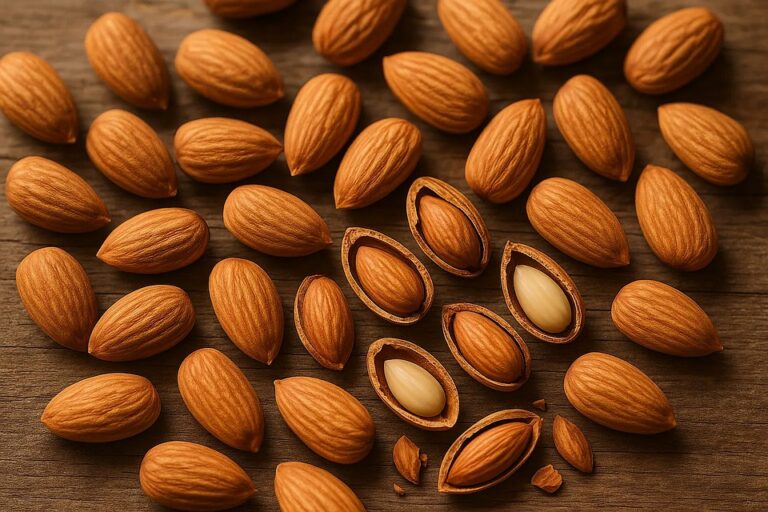
Prioritize foods high in magnesium such as spinach, almonds, black beans, and avocados to support testosterone availability.
Common Pitfalls and Mistakes in Calorie Management for Testosterone
Many individuals unknowingly hinder their testosterone production through common dietary practices. Understanding these pitfalls is crucial for creating an environment conducive to hormonal balance. It’s not just about consuming enough calories, but also about avoiding practices that actively disrupt the endocrine system.
Dietary mistakes often revolve around restrictive eating, inconsistent intake, or an imbalance in macronutrient ratios. These habits, even if pursued with good intentions, can send the wrong signals to your body’s hormonal factories.
Addressing these common errors can often lead to significant improvements in hormonal health without drastic dietary overhauls. Small, consistent changes often yield the most sustainable results.
| Dietary Practice | Potential Impact on Testosterone | Corrective Strategy |
|---|---|---|
| Chronic Caloric Restriction | Signals starvation, suppresses HPG axis, reduces T production. | Ensure consistent, adequate caloric intake that matches energy expenditure. |
| Very Low Fat Diets | Deprives body of cholesterol precursors needed for steroid hormone synthesis. | Include healthy fats (monounsaturated, polyunsaturated) in diet. |
| Excessive Refined Sugar | Can lead to insulin resistance, inflammation, and potential SHBG increases. | Prioritize whole, unprocessed carbohydrates and minimize added sugars. |
| Skipping Meals | Creates energy fluctuations, can increase stress hormones like cortisol. | Regular meal timing for stable energy and hormone regulation. |
Undereating Due to Intense Physical Activity
Athletes and highly active individuals are particularly susceptible to unknowingly under-eating. The increased energy expenditure from rigorous training often isn’t adequately matched by caloric intake, leading to a state of relative energy deficiency.
This imbalance can occur even if someone feels they are eating “a lot.” The sheer volume of calories burned during intense workouts can quickly create a significant deficit, impacting metabolic signals.
Monitoring total energy expenditure and ensuring dietary intake meets these elevated demands is vital for maintaining hormonal health in active populations. People with underlying conditions often work with a qualified healthcare professional for personalized guidance.
- At-Risk Group: Athletes, highly active individuals
- Underlying Issue: Energy expenditure exceeds intake
- Consequence: Hormonal disruption, including reduced testosterone
Balancing Energy Expenditure with Intake
If you are highly active, carefully track your energy needs and ensure your food intake adequately supports your training volume.
The Problem with Drastic or Crash Diets
Extreme or crash diets designed for rapid weight loss almost invariably lead to significant caloric restriction. While effective for short term weight changes, these approaches are detrimental to long term hormonal health.
The body perceives rapid, drastic energy cuts as a severe threat, immediately prioritizing survival mechanisms. This often results in a rapid decline in testosterone production as the body conserves resources.
Sustainable, gradual adjustments to caloric intake, coupled with adequate macronutrient balance, are far more effective for maintaining hormonal equilibrium while pursuing body composition goals. This information is educational and not a substitute for medical advice.
- Dietary Type: Drastic or Crash Diets
- Physiological Impact: Severe caloric deficit, perceived threat
- Hormonal Outcome: Rapid testosterone decline
Adopting Sustainable Dietary Practices
Focus on gradual, balanced dietary changes that support your energy needs without creating extreme caloric deficits.
Hidden Hunger: When You Think You’re Eating Enough
Sometimes, individuals genuinely believe they are eating enough calories, but their intake still falls short of their actual needs. This “hidden hunger” can stem from underestimating portion sizes, miscalculating energy expenditure, or consuming nutrient poor foods that provide transient fullness without adequate caloric density.
This phenomenon is particularly common in those who lead busy lives and rely on convenience foods, which often lack the micronutrient density and balanced macronutrients necessary for sustained energy and hormonal support.
A careful review of dietary habits, perhaps with a food diary for a few days, can often reveal these subtle but significant caloric gaps. Understanding personal metabolic needs is a key step.
- Challenge: Underestimation of caloric needs
- Contributing Factors: Portion size errors, nutrient poor foods
- Solution: Careful dietary review and accurate assessment
Assessing Your True Caloric Requirements
Consider briefly tracking your food intake and activity levels to gain insight into your actual caloric needs and consumption patterns.
Frequently Asked Questions
Can eating too few calories negatively impact fertility?
Yes, consistent caloric restriction can significantly influence hormonal balance, which is closely tied to reproductive function. When the body perceives a lack of energy, it may downregulate systems not critical for immediate survival, including those involved in fertility.
How quickly can caloric intake changes affect testosterone levels?
The body often responds to caloric deficits relatively quickly, particularly with intense or prolonged restriction. While acute changes might not be dramatic, consistent under-eating over weeks or months can lead to measurable shifts in hormonal profiles, including testosterone.
Is it possible to eat enough calories but still have low testosterone?
Yes, caloric intake is one crucial factor, but it’s not the only one. Other elements like macronutrient balance, specific micronutrient deficiencies, sleep quality, stress management, exposure to endocrine disrupting chemicals, and underlying health conditions can all influence testosterone levels, even with adequate calories.
Does gaining weight by eating more calories always increase testosterone?
Not necessarily. While consuming enough calories is foundational, gaining a significant amount of excess body fat, especially around the abdomen, can lead to increased aromatase activity. Aromatase converts testosterone into estrogen, potentially lowering circulating testosterone despite sufficient caloric intake.
The Bottom Line
Optimizing your testosterone levels begins with a fundamental principle: consistently providing your body with enough energy through adequate caloric intake. This isn’t just about avoiding starvation, but about signaling to your intricate hormonal system that resources are abundant and all vital processes can operate at their peak. A well-fueled body, supported by balanced macronutrients and vital micronutrients, lays the essential groundwork for robust endocrine function. Focus on nourishing your body consistently, understanding that every meal contributes to the complex symphony of your internal chemistry. Consider your daily nutritional choices as a powerful tool to support your overall vitality and hormonal health.
Start by assessing your current caloric intake and ensuring it aligns with your activity level and body’s energy demands. Small, sustainable adjustments to increase overall energy availability often yield significant, positive impacts on your hormonal landscape.
Get Your FREE Natural Health Guide!
Subscribe now and receive our exclusive ebook packed with natural health tips, practical wellness advice, and easy lifestyle changes, delivered straight to your inbox.