
Supporting Reproductive Wellness: Understanding Hip Flexor Stretches for an Active Lifestyle
The human body thrives on movement. Our daily routines often involve prolonged periods of sitting, which can lead to significant tightness in the hip flexor muscles. These muscles play a crucial role in nearly every step we take, connecting the lower back, pelvis, and upper leg. Maintaining their flexibility is a fundamental aspect of general physical wellness and comfort.
An active lifestyle, supported by regular movement and stretching, contributes to overall vitality. Many people find that addressing muscular tension, particularly in areas central to mobility like the hips, supports a broader sense of physical well-being. This proactive approach to physical health often resonates with discussions around reproductive wellness.
By focusing on simple hip flexor stretches, individuals can support their mobility and pelvic comfort. This isn’t about direct physiological intervention for reproductive function; rather, it’s about fostering a body that feels more open and less restricted, a state of being often associated with better general health. It emphasizes the importance of basic physical care as a foundation for a balanced life.
The Hip Flexors: Essential Movers for Daily Vitality
The hip flexors are a group of muscles located at the front of the hip joint. They are primarily responsible for bringing your knee towards your chest, or for bending your torso forward at the hip. These muscles include the iliopsoas (composed of the psoas major and iliacus) and the rectus femoris, which is part of the quadriceps group. Their collective action enables us to walk, run, and perform countless daily activities.
When these muscles become tight, often due to prolonged sitting, their shortened state can pull on the pelvis and lower spine. This can impact posture and create a general feeling of stiffness or limited movement in the hip area. Addressing this tightness through gentle stretching can help restore a more neutral pelvic alignment and promote comfort.
Maintaining good hip flexibility is widely recognized as a component of general physical readiness. It allows for a greater range of motion and reduces the sensation of restriction during movement. For anyone seeking to support an active and comfortable lifestyle, tending to the hip flexors represents a sensible and accessible strategy.
Anatomical Overview
- Primary Muscles: Iliacus, Psoas Major (forming the Iliopsoas), Rectus Femoris.
- Location: Front of the hip and upper thigh.
- Key Function: Hip flexion, which involves lifting the leg towards the torso or bending the torso forward.
- Impact of Tightness: Can influence pelvic alignment and contribute to lower back tension.
Integrating Flexibility Practices
Consistent engagement with these muscles through gentle movements can contribute to a feeling of greater freedom. People often explore various stretches to encourage comfort and range of motion around the hips.
Why Hip Flexor Flexibility Matters for General Wellness
The connection between muscular health and overall wellness is well established. Tight hip flexors, a common consequence of sedentary habits, can influence more than just how we move. They can subtly affect posture, potentially leading to compensatory adjustments in other parts of the body. Addressing this can improve overall physical harmony.
When the hip area feels more relaxed and mobile, individuals often report a greater sense of ease throughout their day. This improved comfort can have ripple effects, encouraging more physical activity and a generally more dynamic approach to life. Supporting the body’s natural movement patterns is a cornerstone of proactive health management.
While we do not discuss direct medical outcomes, fostering an environment of physical comfort and mobility is a positive step. Maintaining flexibility in key areas like the hips helps support robust circulation throughout the body, including the pelvic region. This general support for physical well-being is often a talking point in discussions surrounding reproductive health and vitality.
General Benefits of Flexibility
- Enhanced Movement: Supports a greater range of motion in daily activities.
- Postural Support: May help maintain more neutral spinal and pelvic alignment.
- Reduced Tension: Can alleviate feelings of stiffness around the hips and lower back.
- Circulatory Comfort: Encourages general ease of blood flow in various bodily regions.
Implementing a Daily Routine
Integrating a few minutes of hip flexor stretches into your daily routine can become a cornerstone for physical well-being. Many individuals find that a consistent, gentle approach yields the best results for feeling more open.
Common Causes of Hip Flexor Tightness
Modern lifestyles frequently contribute to tight hip flexors. One of the primary culprits is prolonged sitting, whether at a desk, during commutes, or while relaxing. When we sit for extended periods, the hip flexors remain in a shortened position, which can lead to them adapting to that length and becoming less flexible.
Beyond sedentary habits, certain types of physical activity can also contribute to tightness. Athletes involved in sports that demand repetitive hip flexion, such as cycling, running, or soccer, may develop strong but shortened hip flexors. While strength is important, it needs to be balanced with flexibility to prevent muscular imbalances.
Poor posture can also play a role. A forward-tilted pelvis, often associated with weak abdominal muscles and tight hip flexors, exacerbates the problem. Understanding these common triggers empowers individuals to make conscious choices that support hip flexibility and overall comfort.
| Cause of Tightness | Impact on Hip Flexors | Wellness Strategy |
|---|---|---|
| Prolonged Sitting | Muscles adapt to a shortened state. | Take regular movement breaks, stand up frequently. |
| Repetitive Hip Flexion (Exercise) | Strength without balancing flexibility. | Incorporate specific stretching into cool-down routines. |
| Poor Posture | Pelvic tilt can shorten hip flexors. | Focus on core strength and conscious postural awareness. |
Proactive Measures for Flexibility
- Regular Movement: Interrupt long periods of sitting with short walks or standing.
- Balanced Exercise: Pair strengthening exercises with flexibility work for the hips.
- Awareness: Practice mindful posture throughout the day to reduce strain.
Integrating Movement Breaks
A simple habit of standing and moving every hour can make a significant difference in how the hip flexors feel over time. This consistent, low-effort action can prevent stiffness.
Simple Hip Flexor Stretches for Enhanced Mobility
Incorporating specific stretches into your routine can gradually improve hip flexibility and comfort. These exercises are generally gentle and accessible, making them suitable for most individuals. The goal is to lengthen the muscle groups involved, creating a greater sense of openness in the pelvic region. Remember to move slowly and breathe deeply throughout each stretch.
One classic and highly effective stretch is the half kneeling hip flexor stretch. You start by kneeling on one knee, with the other foot flat on the floor in front of you. Gently push your hips forward until you feel a stretch in the front of the hip of the kneeling leg. This targets the iliopsoas directly.
Another valuable option is the couch stretch, which offers a deeper engagement. Kneel with one shin against a wall and the foot pointing up. Bring the other foot forward, flat on the floor. Slowly lean back, feeling a stretch in the quadriceps and hip flexor of the kneeling leg. Always listen to your body and avoid any positions that cause discomfort. People with underlying conditions often work with a qualified healthcare professional for personalized guidance regarding specific stretches.
The Half Kneeling Hip Flexor Stretch
This stretch is a foundational movement for gently extending the hip flexors. It requires minimal space and can be done effectively by focusing on slow, controlled movement. It promotes a feeling of length and ease in the front of the hip.
The primary benefit is a gradual increase in the range of motion for hip extension. This can contribute to better posture and a more comfortable gait. Many people find that regular practice helps to release tension that accumulates from daily activities.
It’s an excellent choice for those new to stretching or looking for a gentle way to begin their flexibility journey. The control offered by the kneeling position allows for precise adjustment of the stretch intensity.
Stretch Profile
- Target Area: Iliopsoas, Rectus Femoris.
- Approach: Gentle, static stretch.
- Key Benefit: Supports pelvic alignment and hip extension.
- Consideration: Perform on a cushioned surface for knee comfort.
Execution Guidance
To perform this, kneel on your left knee, placing your right foot flat on the floor in front of you, forming a 90-degree angle. Gently lean your hips forward, keeping your torso upright, until you feel a mild stretch in the front of your left hip. Hold for 20-30 seconds, then switch sides.
The Pigeon Pose (Modified)
While traditionally a yoga pose, a modified pigeon pose offers a profound stretch for the outer hip and glutes, which can indirectly help release tension around the hip flexors. This pose encourages external rotation and can feel deeply opening for many. It’s important to approach this with gentleness, as forcing the pose can lead to discomfort.
The modified version often involves placing a cushion or block under the hip of the front leg for support, allowing the body to relax into the stretch. This external rotation can contribute to a greater sense of overall hip mobility and comfort in daily movements. It’s a holistic approach to hip flexibility.
Many individuals find that incorporating such stretches helps to unlock areas of persistent tightness. This can enhance the feeling of fluidity in movement, fostering a more agile and comfortable physical experience. It’s a valuable addition to a comprehensive flexibility routine.
Stretch Profile
- Target Area: Glutes, Outer Hip, Piriformis (indirectly influences hip flexor tension).
- Approach: Gentle, longer-hold stretch, often with support.
- Key Benefit: Supports external hip rotation and release of deep hip tension.
- Consideration: Use props for comfort and to adjust intensity.
Application Method
Start in a tabletop position. Bring your right knee forward towards your right wrist. Angle your right shin across your body, and slowly slide your left leg back straight. You may need to place a blanket or block under your right hip for support. Gently lower your torso towards the floor if comfortable, holding for 30-60 seconds, then repeat on the other side.
Supine Hip Flexor Stretch with Leg Drop
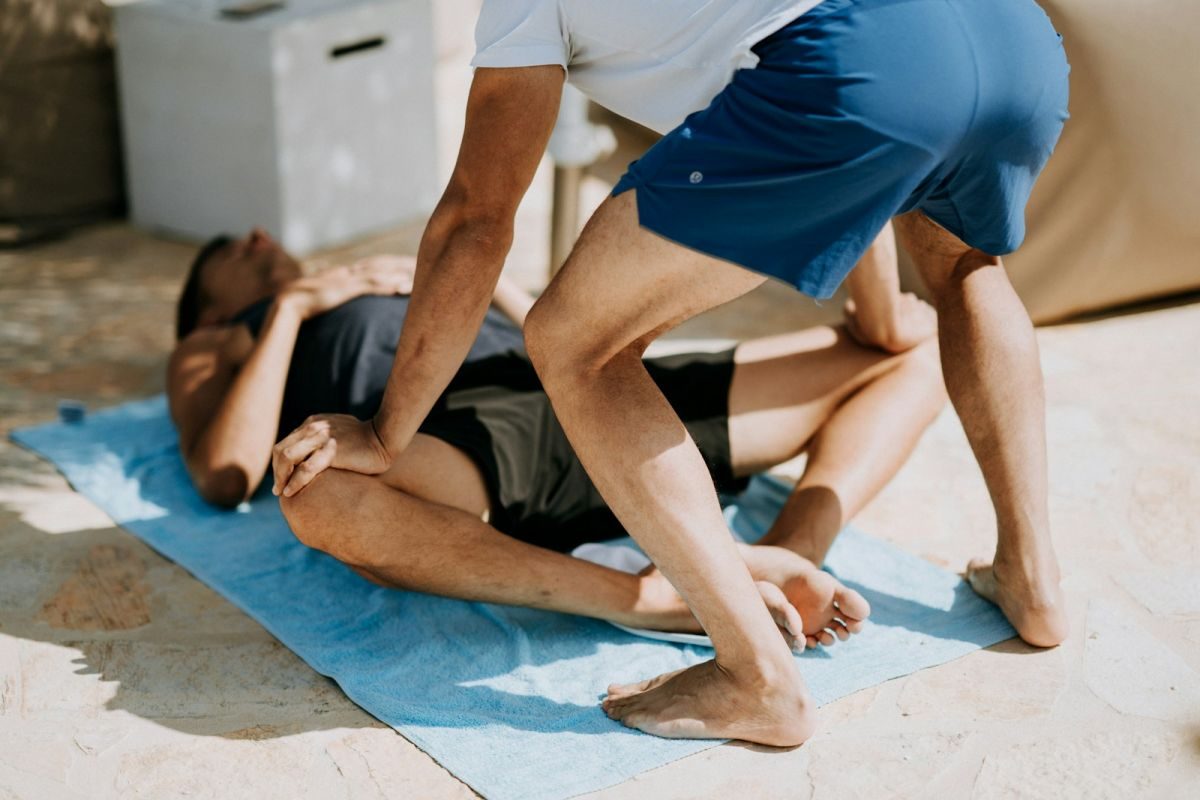
This stretch is performed lying down, making it particularly accessible and relaxing. It uses gravity to assist in gently lengthening the hip flexors. By allowing the leg to drop off the side of a bed or bench, you can achieve a subtle yet effective stretch without straining. This is often described as a passive stretch.
The supine position helps stabilize the pelvis, allowing for a more isolated stretch of the hip flexor on the hanging leg. This controlled lengthening can contribute to improved comfort in the front of the hip and groin area. It’s a beneficial stretch for unwinding after a long day.
Many individuals appreciate this stretch for its simplicity and the gentle nature of its action. It provides an opportunity to release tension in a supported position, which can be particularly calming. This approach encourages the muscles to relax and lengthen without active effort.
Stretch Profile
- Target Area: Iliopsoas, Quadriceps (Rectus Femoris).
- Approach: Passive, gravity-assisted stretch.
- Key Benefit: Encourages relaxation and gentle lengthening of anterior hip muscles.
- Consideration: Requires a sturdy elevated surface like a bed or bench.
Recommended Protocol
Lie on your back on a bed or sturdy bench, positioning yourself so one leg hangs off the side, from the hip. Allow gravity to gently pull the hanging leg downwards, feeling a stretch in the front of the hip and thigh. Hold this position for 30-60 seconds, then carefully switch to the other side.
Integrating Stretching into Your Wellness Routine
Consistency is key when it comes to any flexibility practice. Integrating hip flexor stretches into your daily or weekly routine doesn’t require a significant time commitment. Even just 5-10 minutes a few times a week can yield noticeable benefits for your comfort and mobility. The aim is to make it a natural part of your self-care regimen.
Consider linking your stretching practice to an existing habit. Perhaps you stretch while your morning coffee brews, or as part of your cool-down after a walk. This habit stacking can make it easier to maintain consistency. The physical sensation of improved flexibility itself can become a powerful motivator to continue.
Remember, stretching is a journey, not a destination. Some days you might feel more flexible than others, and that’s perfectly normal. The most important thing is to approach your body with patience and kindness, focusing on gentle, sustained effort rather than aggressive or forced movements. This information is educational and not a substitute for medical advice.
Tips for Consistency
- Schedule It: Treat stretching like an important appointment.
- Listen to Your Body: Never force a stretch to the point of pain.
- Breathe Deeply: Use your breath to help relax into the stretch.
- Vary Your Stretches: Explore different hip flexor stretches to keep it interesting.
Establishing a Regular Practice
To establish a lasting habit, aim for short, frequent sessions rather than long, infrequent ones. This consistent reinforcement helps your muscles adapt over time.
Complementary Wellness Practices for Pelvic Comfort
While hip flexor stretches are beneficial, they are most effective when viewed as part of a broader wellness strategy. Supporting overall physical health involves several interconnected lifestyle choices. These practices can enhance the general comfort and vitality that individuals seek.
Adequate hydration is fundamental to tissue elasticity and overall bodily function. Ensuring you drink enough water throughout the day helps maintain the pliability of muscles and connective tissues, which can support flexibility efforts. Water is essential for countless physiological processes.
Furthermore, a balanced diet rich in whole foods provides the necessary nutrients for muscle repair and general well-being. Focusing on nutrient-dense foods supports the body’s ability to adapt and recover from physical activity, including stretching. A well-nourished body simply functions more effectively.
The Role of Hydration and Nutrition
Hydration supports every cell and system in the body, including the musculoskeletal system. Water helps maintain the fluid balance within tissues, which is essential for muscles to function and stretch optimally. Dehydrated tissues can feel stiffer and less pliable.
Nutrient intake directly fuels the body’s repair mechanisms and overall energy production. Proteins are vital for muscle maintenance, while vitamins and minerals play roles in countless biochemical reactions supporting physical health. A diverse diet ensures a wide spectrum of these essential compounds.
Together, good hydration and solid nutrition create a foundational environment for optimal physical comfort and mobility. They don’t directly stretch muscles, but they provide the internal conditions that allow stretching to be more effective and comfortable. Research from the National Institute of Diabetes and Digestive and Kidney Diseases highlights the importance of fluid balance.
Holistic Support Principles
- Hydration: Maintains tissue pliability and fluid balance.
- Balanced Nutrition: Provides essential building blocks for muscle health and repair.
- Systemic Wellness: Supports overall bodily function and energy levels.
Daily Wellness Integration
Make conscious choices to sip water consistently throughout the day and prioritize colorful, varied foods at meal times. These small, consistent efforts compound over time, supporting total body comfort.
Mindful Movement and Ergonomics
Beyond structured stretching, incorporating mindful movement throughout your day can prevent the accumulation of tension. This means being aware of your posture and body position, especially during prolonged activities. Simple shifts and micro-movements can make a big difference.
Ergonomics, particularly in work and sitting environments, plays a significant role in preventing hip flexor tightness. Adjusting your chair, desk height, and screen position to support a neutral posture can reduce strain on the hips and lower back. Small adjustments can have a profound impact on comfort.
Breaking up long periods of sitting with standing, walking, or gentle movement is perhaps the most impactful ergonomic strategy. These frequent changes in position help to prevent muscles from adapting to a shortened state. People often find that a varied approach to movement contributes to sustained comfort.
Practical Adjustments
- Frequent Position Changes: Avoid prolonged static postures.
- Ergonomic Setup: Optimize your workspace to support neutral alignment.
- Mindful Posture: Regularly check in with your body’s alignment during daily tasks.
Proactive Postural Habits
Set reminders to stand up and move every 30-60 minutes, even if it’s just for a minute or two. This consistent, gentle disruption of static postures can help maintain hip flexibility.
Frequently Asked Questions
Do hip flexor stretches directly increase sperm count or motility?
No, hip flexor stretches do not directly increase sperm count or motility. These stretches are designed to improve physical comfort and mobility in the hip and pelvic region. They contribute to general physical well-being and an active lifestyle, which can be associated with overall vitality. People with underlying conditions often work with a qualified healthcare professional for personalized guidance.
How often should I perform hip flexor stretches?
For general comfort and flexibility, performing hip flexor stretches 3-5 times per week is often suggested. Consistency is more impactful than intensity. Listen to your body and adjust the frequency based on your comfort and how your body responds.
Can tight hip flexors impact general circulation in the pelvic area?
Tight muscles, including hip flexors, can sometimes create a feeling of localized tension. While not a medical claim about specific blood flow to organs, improving flexibility in a region can contribute to a general sense of physical ease and comfort. This physical comfort can be discussed as part of overall wellness.
Are there any risks associated with hip flexor stretches?
As with any physical activity, it’s important to approach stretching safely. Avoid bouncing into stretches or forcing positions that cause sharp pain. Mild discomfort is normal, but pain is a sign to ease off. Individuals with existing injuries or medical conditions should consult a healthcare professional before starting any new stretching routine.
The Bottom Line
Prioritizing hip flexor flexibility is a sensible step toward supporting overall physical well-being. By addressing muscular tightness in this crucial area, you can foster a greater sense of mobility, reduce feelings of stiffness, and enhance your general comfort. This proactive approach to physical health is a foundational element of a vibrant and active lifestyle, which many people associate with comprehensive vitality.
Start by incorporating one or two simple hip flexor stretches into your routine a few times a week, focusing on gentle, consistent effort.
Get Your FREE Natural Health Guide!
Subscribe now and receive our exclusive ebook packed with natural health tips, practical wellness advice, and easy lifestyle changes, delivered straight to your inbox.