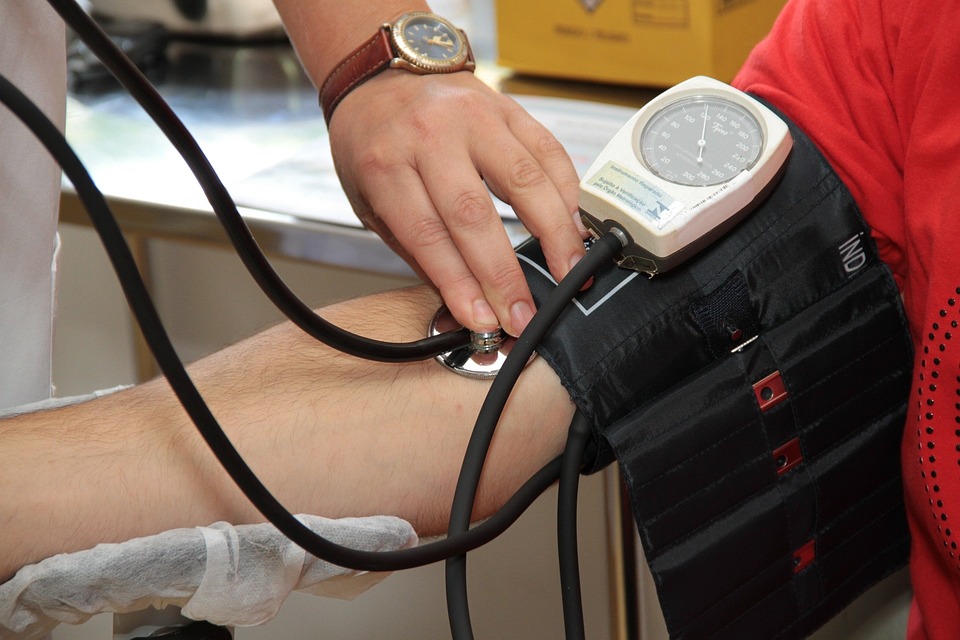

Strategies for Naturally Reversing Metabolic Hypertension in Your 40s
The sensation of a pounding pulse when you feel stressed or the realization that your blood pressure readings are climbing is a common signal from your body. You might notice your heart rate feels elevated even during light exertion or find yourself feeling more winded than you did just a few years ago. This shift often marks the decade where metabolic flexibility begins to decline, making the management of blood pressure a central focus for long term vitality.
Metabolic hypertension in your 40s represents a complex interaction between insulin sensitivity, arterial stiffness, and systemic inflammation. Research from the National Institutes of Health indicates that weight management and dietary shifts play a fundamental role in maintaining vascular health. Understanding the interplay between your energy intake and cardiovascular efficiency is the first step toward reclaiming your health.
Naturally reversing metabolic hypertension in your 40s involves stabilizing blood glucose levels and reducing chronic inflammation through targeted lifestyle shifts. By prioritizing nutrient dense whole foods, consistent movement, and restorative sleep, individuals often see improvements in vascular elasticity and pressure regulation within months. Never stop or change any medication without consulting the provider who recommended it.
Key Takeaways
- Individuals with elevated metabolic markers often see a reduction of 5 to 10 points in systolic blood pressure after 12 weeks of consistent resistance training.
- Studies from the Centers for Disease Control suggest that limiting sodium intake to under 2,300 milligrams per day supports healthier heart function.
- Metabolic health metrics often stabilize when waist circumference measurements remain under 40 inches for men and 35 inches for women.
Optimizing Dietary Intake for Vascular Resilience
Focusing on the quality of your fuel intake changes how your body manages pressure within the arteries. Incorporating high magnesium sources and potassium rich vegetation helps the vessel walls remain pliable rather than becoming stiff. The following table highlights key nutritional targets for vascular support.
| Nutrient | Goal Intake | Primary Benefit |
|---|---|---|
| Magnesium | 400 Milligrams | Relaxes Vessel Walls |
| Potassium | 4700 Milligrams | Balances Sodium Levels |
| Omega-3 Fatty Acids | 2 Grams | Lowers Systemic Inflammation |
Movement Patterns for Metabolic Control
Exercise acts as a natural stimulus for improving insulin sensitivity, which in turn reduces the demand placed on your heart. You do not need to perform high intensity intervals to see results. Consistent, low impact activity provides significant advantages for those seeking to maintain healthy pressure ranges.
- Brisk Walking: Aim for 30 minutes of intentional movement daily to support endothelial function.
- Resistance Training: Engage in muscle building sessions two to three times weekly to improve glucose uptake.
- Flexibility Work: Incorporate yoga or mobility exercises to lower cortisol and reduce secondary stress on the heart.
A Practical Framework for Daily Action
Consider the structure of your day as a series of metabolic inputs that either support or challenge your cardiovascular system. If you often experience a mid afternoon energy crash, this is a clear sign that your glucose regulation is struggling. A simple decision framework can help you navigate these moments without causing unnecessary strain on your internal systems.
- Morning Routine: Begin with a protein centric breakfast to anchor your blood sugar for the day.
- Hydration Habits: Use filtered water as your primary intake, avoiding sugar sweetened beverages that spike insulin.
- Evening Transition: Establish a digital sunset one hour before bed to support the hormonal balance required for heart health.
Frequently Asked Questions
Does reducing stress affect blood pressure readings?
Chronic stress triggers the release of hormones that cause transient spikes in blood pressure. Over time, these surges keep the body in a state of high alert, which can contribute to long term vascular changes.
Learning to manage your response to daily stressors is a vital component of heart health. Activities such as deep breathing or structured downtime help the nervous system return to a neutral state.
How does fiber intake relate to heart function?
Fiber acts as a stabilizer for blood glucose levels, preventing the rapid insulin spikes that correlate with metabolic strain. By slowing the absorption of nutrients, fiber helps keep the workload on your cardiovascular system consistent.
Research from the National Library of Medicine highlights the connection between consistent fiber intake and overall metabolic stability. Aiming for 25 to 30 grams of fiber daily is a baseline goal for many individuals.
Are supplements necessary for managing pressure?
Supplements serve only as a support system for an already strong foundation of nutrition and movement. No pill can replace the metabolic benefits gained from whole foods and consistent physical activity.
You should prioritize nutrient dense meals before looking toward concentrated extracts. Always review any new additions with a provider to ensure they do not interfere with other internal systems.
Can poor sleep damage heart health?
Sleep deprivation interferes with the body’s natural repair cycles and elevates cortisol levels significantly. When the body does not receive enough rest, the heart must work harder to maintain systemic pressure throughout the day.
Quality sleep is a foundation of recovery that allows the vascular system to reset. Prioritizing seven to nine hours of restorative rest is essential for maintaining metabolic balance in your 40s.
Is salt intake the primary cause of high pressure?
Sodium is one piece of a much larger metabolic puzzle involving insulin sensitivity and inflammation. While reducing excessive salt is helpful, focusing only on sodium often ignores the importance of potassium and magnesium intake.
The ratio of electrolytes in your system is more important than focusing on a single mineral. Balancing your intake by eating whole, unprocessed foods naturally manages this ratio effectively.
The Bottom Line
Naturally reversing metabolic hypertension in your 40s requires a shift toward sustainable lifestyle habits that prioritize glucose stability and arterial health. By integrating consistent physical movement with a diet rich in essential minerals, you provide your body with the tools it needs to regulate pressure internally.
Review your current daily habits to identify one area where you can add more movement or whole food intake. Commit to this single change for one month to allow your metabolic system the time required to respond. Consult a licensed healthcare provider before starting any new wellness routine.
This information is intended for educational purposes only and is not suitable for individuals with pre-existing heart conditions or those currently under medical supervision for hypertension. Consult a licensed healthcare provider before starting any new wellness routine.
Get Your FREE Natural Health Guide!
Subscribe now and receive our exclusive ebook packed with natural health tips, practical wellness advice, and easy lifestyle changes, delivered straight to your inbox.