

Is Your Cardio Habit Secretly Thinning Your Bones?
Walking through the weight room at the gym, I often notice a divide between those chasing endurance milestones and those focusing on load-bearing movement. Many enthusiasts pour hours into long-distance running or cycling without considering the structural demand placed on their skeletal framework.
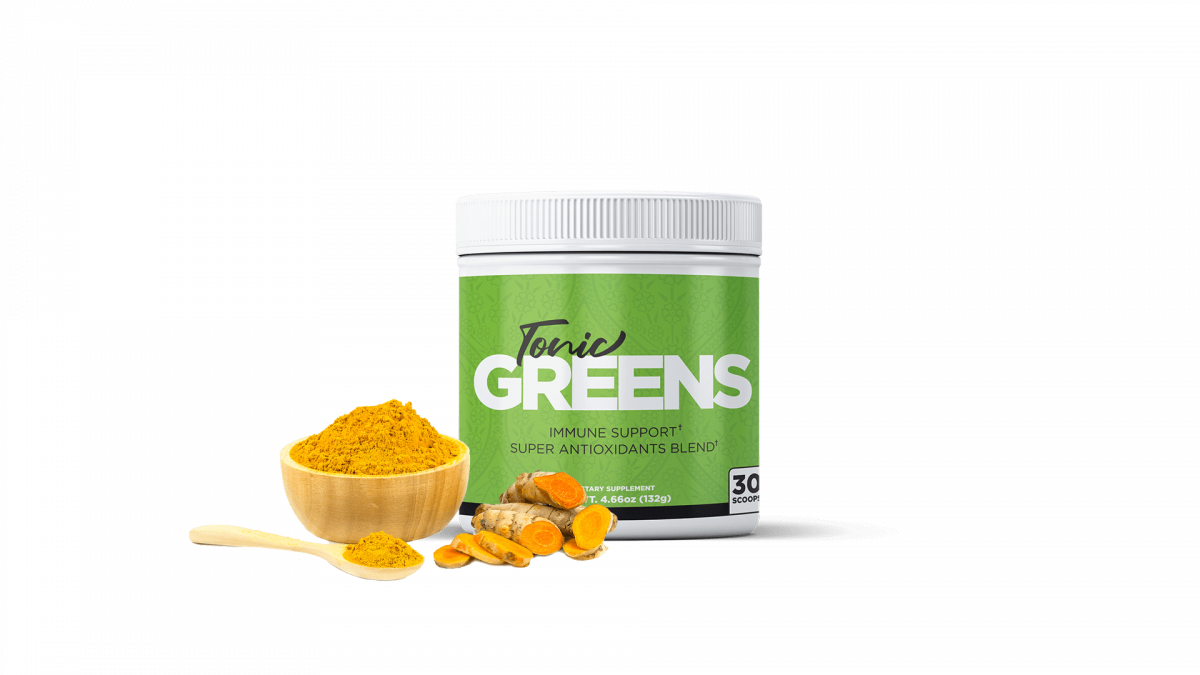
TonicGreens™ Advanced Immune Phytomix
- Concentrated daily formula featuring over 57 botanical extracts, prebiotics, and essential nutrients to support a resilient immune system
- Fortifies the body's natural defenses with a specialized blend of quercetin, resveratrol, and highly bioavailable curcumin
- Manufactured in the USA in a registered GMP facility, delivering pure, certified grade-A ingredients for foundational wellness
Sustained high-intensity aerobic activity, when performed without adequate resistance support, may inadvertently prioritize cardiovascular efficiency over skeletal density. While the heart benefits from consistent movement, the bones require specific mechanical loading to maintain their strength and integrity.
Why excessive cardio may be depleting your bone minerals involves a combination of chronic cortisol elevation and insufficient mechanical stimulation. High-volume endurance training can shift the body into a catabolic state where bone turnover outpaces the rate of new mineral deposition. This process, often linked to energy deficiency, leads to a net reduction in bone mineral density over time.
Key Takeaways
- Cortisol Impact: Elevated levels of the stress hormone cortisol, common in ultra-endurance training, can suppress the cells responsible for bone formation.
- Energy Availability: Research from the National Institutes of Health suggests that low energy availability relative to training load contributes to decreased bone mineral density.
- Load Requirements: Bones respond to mechanical stress through remodeling, but non-impact cardio lacks the stimulus needed to signal mineral density increases.
Mechanical Loading And Bone Maintenance
The human skeletal system acts as a structural lever that adapts to the forces applied during daily life. When you engage in high-impact movement, you signal the body to deposit minerals to withstand that load. Non-impact activities like cycling or swimming provide excellent heart health benefits but offer limited osteogenic stimulation.
Without resistance-based movement, the skeleton may lack the necessary incentive to reinforce itself. Researchers cite information from the National Library of Medicine regarding how physical activity serves as a primary driver for preventing age-related density loss. Balancing your routine ensures that you provide the bones with enough stress to promote structural health.
| Activity Type | Impact Level | Primary Benefit |
| Distance Running | Moderate | Heart Function |
| Resistance Training | High | Bone Density |
| Swimming Cycling | Low | Joint Mobility |
Why Excessive Cardio May Be Depleting Your Bone Minerals
The phenomenon often stems from an imbalance between output and recovery. When the energy spent on aerobic training exceeds the fuel consumed, the body shifts resources away from maintenance functions like bone density. This is frequently referred to as Relative Energy Deficiency in Sport.
Chronic inflammation associated with extreme training volumes can further interfere with typical bone remodeling cycles. Over time, this leads to a reduction in structural density as the body prioritizes immediate survival over long-term skeletal integrity. According to evidence found in resources at the Centers for Disease Control, incorporating diverse movement patterns is essential for overall long-term wellness.
Practical Strategies For Structural Support
Integrating weight-bearing movement into your weekly routine protects your framework while maintaining your aerobic goals. Consider these modifications for a balanced approach to physical fitness.
- Resistance Training: Dedicate at least two days per week to compound lifts that place force on major bone groups.
- Interval Intensity: Swap some long-duration aerobic sessions for higher-intensity interval work to reduce total training time and hormonal stress.
- Nutritional Support: Ensure your intake of calcium and vitamin D aligns with your training intensity to provide the necessary building blocks for structural maintenance.
Frequently Asked Questions
Can moderate cardio contribute to bone loss?
Moderate aerobic exercise is generally considered safe and beneficial for bone health when it is performed within a balanced training program. The risk typically arises when the volume becomes so high that it outstrips recovery capacity and caloric intake.
When performed alongside resistance exercise, moderate cardio can complement overall structural wellness. Individuals who maintain varied routines typically see the positive impact of both aerobic and weight-bearing stimulus on their total physical health.
How does diet influence bone density during endurance training?
Dietary intake serves as the foundation for bone mineral retention during periods of heavy physical training. If an individual fails to consume sufficient calories, minerals, and protein, the body may begin to break down existing tissues to provide energy.
Focusing on nutrient-dense whole foods helps maintain a positive balance for bone formation. Proper fueling ensures that the metabolic cost of endurance exercise does not come at the expense of skeletal health.
Is swimming better for bones than running?
Swimming is a non-weight-bearing activity that provides minimal stimulus for increasing bone mineral density. While it is excellent for cardiovascular and joint health, it does not provide the compressive forces that bones need to maintain their strength.
Running provides more impact than swimming, which is generally more beneficial for bone health. However, even runners need to integrate resistance training to ensure their bones are receiving adequate mechanical loading.
What symptoms might indicate low bone density?
Low bone density often remains silent until an unexpected structural injury or stress reaction occurs. This is why it is common to overlook the status of one’s bones until they become compromised through excessive stress or lack of support.
Individuals who notice persistent fatigue or frequent minor injuries should re-evaluate their training volume and nutritional intake. Always prioritize tracking recovery markers alongside your performance metrics to ensure you are not overextending your body.
When should I consult a professional about my training?
If your training schedule leaves you feeling constantly exhausted or results in unusual aches, it is time to reassess your program. Expert guidance can help identify where your routine may be lacking sufficient recovery or structural reinforcement.
Professionals can provide insight into how to modify your movement patterns for better longevity. Tailoring your approach ensures that you achieve your fitness goals without compromising the long-term integrity of your skeleton.
The Bottom Line
Why excessive cardio may be depleting your bone minerals involves a delicate interplay between hormonal stress, energy availability, and the absence of mechanical loading. Protecting your skeleton requires a conscious effort to balance your aerobic habits with weight-bearing strength work.
Evaluate your current training volume to ensure you are providing enough downtime for your body to repair itself. If you perform heavy cardiovascular exercise, make resistance training a non-negotiable part of your weekly plan to keep your bones strong and resilient.
The information provided is for educational purposes and is not intended to replace professional guidance. Individuals with existing health conditions or those concerned about their bone density should not follow this advice without first seeking an evaluation. Never stop or change any medication without consulting the provider who recommended it. Consult a licensed healthcare provider before starting any new wellness routine.
Get Your FREE Natural Health Guide!
Subscribe now and receive our exclusive ebook packed with natural health tips, practical wellness advice, and easy lifestyle changes, delivered straight to your inbox.