Managing PCOS Hair Thinning On Top Of Head
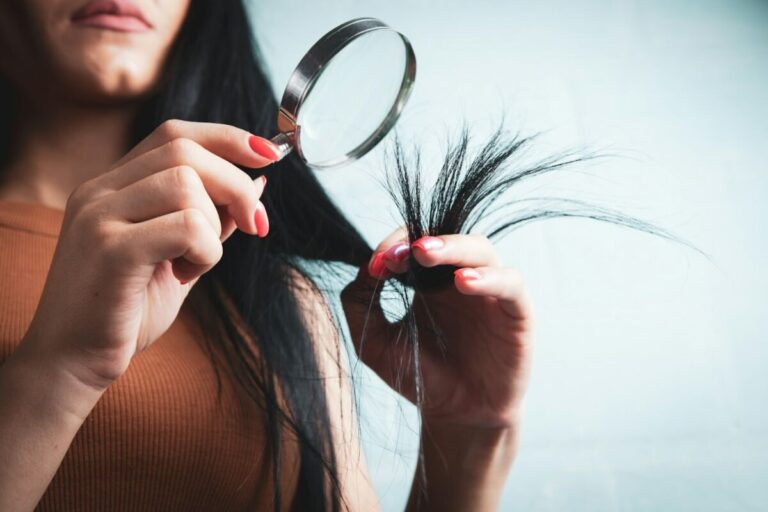
Hair loss often appears as a silent challenge for those navigating hormonal shifts. Many women observe a wider part or increased scalp visibility over several months. Addressing these changes requires a focus on internal balance and gentle external care.
You might notice more strands in your brush during daily routines. This pattern of density reduction usually starts at the crown before spreading outward. Recognizing these shifts early allows for timely adjustments to your self care approach.
PCOS hair thinning on top of head occurs when elevated androgen levels shorten the growth phase of hair follicles. Most people need to balance insulin sensitivity and manage cortisol to stop further progression. Consistent lifestyle shifts often result in better hair retention over a period of 6 to 12 months.
Key Takeaways
- Research from the National Library of Medicine indicates that approximately 40 to 70 percent of women with this condition experience some form of scalp hair loss.
- Studies from the National Institutes of Health suggest that insulin resistance affects androgen production which can accelerate follicle miniaturization.
- Experts at the Centers for Disease Control emphasize that managing blood sugar levels is a primary pillar for long term wellness.
I observed that focusing on blood sugar stabilization helped my clients see less shedding within ninety days of consistent nutritional habit changes.
Understanding The Biological Drivers Of Density Loss
Hair density relies on a complex cycle of growth and rest. Hormonal shifts can trigger a state where follicles spend more time in a dormant phase. This leads to the characteristic widening of the part line.
The Role Of Insulin Sensitivity
Insulin acts as a messenger for energy storage in your cells. When your body resists this signal, your ovaries often produce excess androgens. These hormones influence the follicle health directly by shortening the active growth stage.
The Influence Of Androgen Excess
High levels of hormones like testosterone can bind to receptors in the scalp. This interaction causes follicles to shrink over time. You might notice the hair strands becoming finer and lighter in color before they stop growing entirely.
Nutritional Foundations For Scalp Health
What you eat provides the building blocks for every strand on your head. Prioritizing nutrient dense foods helps support the body during times of metabolic stress. Focus on consistent intake rather than restrictive patterns.
Macro And Micronutrient Needs
Proteins supply the amino acids required for keratin production. You should aim for a variety of sources to ensure you get a full spectrum of building blocks. Healthy fats also provide the structure for cell membranes in your scalp.
The Impact Of Blood Sugar Spikes
Refined sugars cause rapid changes in your glucose levels. These swings increase inflammation throughout the body. Chronic inflammation often makes it harder for your scalp to maintain a healthy environment for growth.
| Nutrient Group | Typical Benefit | Source Examples |
| Lean Proteins | Keratin Support | Fish and Beans |
| Healthy Fats | Membrane Health | Walnuts and Avocado |
| Complex Carbs | Stable Glucose | Oats and Quinoa |
Establishing A Gentle Grooming Routine
Your daily habits with a brush and washcloth influence your hair retention. Rough handling can cause breakage that mimics natural shedding. Treat your hair like a delicate fabric to keep the strands you have.
- Wide Tooth Combs: These tools minimize tension on the scalp during detangling sessions.
- Sulfate Free Cleansers: These formulas remove buildup without stripping natural oils that protect your hair shaft.
- Scalp Massage: Gentle circular motions encourage flow in the area which may assist in nutrient delivery to follicles.
Stress Management And Cortisol Balance
High stress signals the body to prioritize immediate survival over non vital functions like hair maintenance. When cortisol stays elevated, your body diverts resources away from the scalp. This internal drain manifests as thinner patches on the crown.
The Connection To Sleep Hygiene
Sleep serves as the primary time for cellular repair. Poor sleep quality prevents your body from processing metabolic waste effectively. Prioritizing rest allows your hormone levels to reset overnight.
Practical Ways To Lower Tension
Simple movements like walking or stretching can change your physiological state. These activities lower the circulating hormones that negatively impact your hair follicles. Consistency matters more than the duration of any single session.
Calculating Your Personal Daily Requirements
You can determine your needs by evaluating your current output and intake. Take your body weight in pounds and multiply by 0.8 to find a baseline protein goal in grams. Then, assess your daily activity levels to adjust your caloric intake accordingly.
For instance, a 150 pound individual needs at least 120 grams of protein daily. If you find yourself hitting only 80 grams, you possess a clear area for improvement. Tracking these small numbers helps you see patterns in your energy and scalp health.
Supplementing For Targeted Support
Nutrients derived from whole foods provide the best foundation for health. However, some specific minerals help fill gaps when your diet lacks variety. You should always prioritize food first before adding external supports.
- Zinc Sources: This mineral plays a role in tissue repair and immunity.
- Vitamin D Levels: Low status of this hormone precursor often correlates with thinning concerns.
- B Vitamin Complex: These vitamins support energy metabolism throughout your body.
Environmental Factors And Scalp Microcirculation
The skin on your head functions similarly to the skin on your face. It requires regular cleansing and protection from irritants. Heavy styling products can clog the openings where hair emerges.
Choosing The Right Products
Look for ingredients that soothe rather than irritate. Avoid harsh alcohols that dry out the hair shaft. Simple, plant based oils often provide the best barrier for your hair ends.
Improving Flow Through Movement
Physical activity increases circulation to the scalp. This helps shuttle nutrients to the cells that need them most. Even ten minutes of light movement each day can make a difference in your overall vitality.
Monitoring Progress Through Consistent Documentation
Changes in hair density happen slowly over many months. You often miss small improvements because you see yourself every day. Tracking your progress removes the guesswork from your journey.
- Photo Journals: Take a photo of your part line once a month in the same lighting.
- Daily Logs: Note any changes in your energy or sleep quality to correlate with hair growth.
- Density Checks: Notice how your hair feels in a ponytail or when using hair ties.
Frequently Asked Questions
Can dietary changes alone stop hair loss?
Diet serves as the foundation for your body’s ability to maintain healthy follicles. Providing adequate protein and stable glucose levels gives your body the resources it requires to sustain normal growth patterns. While food is not the only variable, it is often the most important factor in the long term health of your hair.
Addressing underlying metabolic health through food choices often minimizes the impact of hormonal fluctuations. By keeping your blood sugar stable, you reduce the signal that tells your body to produce excess androgens. This approach creates a supportive internal environment for your scalp.
How often should I wash my hair to help with density?
The frequency of washing depends on your scalp oil production and activity levels. Over washing can dry out the hair, while under washing may lead to product buildup on the scalp. Most people find success with a schedule that keeps the scalp clean without stripping natural protective oils.
Focus on using a gentle cleanser that removes sweat and dirt without aggressive chemicals. If your scalp tends to be oily, every other day might be appropriate. For drier scalps, washing twice a week often keeps the follicles clear and healthy.
Does heat styling contribute to thin spots?
Excessive heat weakens the protein structure of your hair, leading to breakage and brittleness. When you already experience thinning, this breakage makes the scalp look more visible than it would otherwise. Reducing your reliance on high heat tools allows your existing hair to reach its full potential length.
Try air drying your hair whenever possible or using the lowest heat setting on your dryer. Protect your strands with natural oils to provide a buffer against heat damage. Treating your hair with caution preserves the density you currently have while you work on internal balance.
Are supplements required for hair health?
Supplements function as a safety net rather than a primary source of nutrition. You obtain the most benefit from vitamins and minerals through whole foods that contain cofactors for absorption. Only consider adding specific supplements if a deficiency is identified through testing with a professional.
Focus your budget and time on high quality ingredients like dark leafy greens, fatty fish, and seeds. These foods offer a complex matrix of nutrients that work together. A balanced diet often provides everything you need to support healthy follicles without extra pills.
How long until I see results from these lifestyle shifts?
The hair growth cycle is slow and follows a pattern that takes several months to show changes. You will likely notice less shedding in the shower before you see new growth at your part line. Patience is required as your body adjusts to new habits over time.
Most people start to see subtle improvements after three to six months of consistent effort. Continued focus on blood sugar and stress management helps sustain these gains over the long term. Trust the process and stick to your daily routines for the best outcomes.
The Bottom Line
Managing PCOS hair thinning on top of head requires a commitment to stable blood sugar and stress reduction. Focus on nutrient dense foods and gentle scalp care to support your body. Small, consistent changes in your daily routine build a strong foundation for long term health. Consult a licensed healthcare provider before starting any new wellness routine.
Get Your FREE Natural Health Guide!
Subscribe now and receive our exclusive ebook packed with natural health tips, practical wellness advice, and easy lifestyle changes, delivered straight to your inbox.