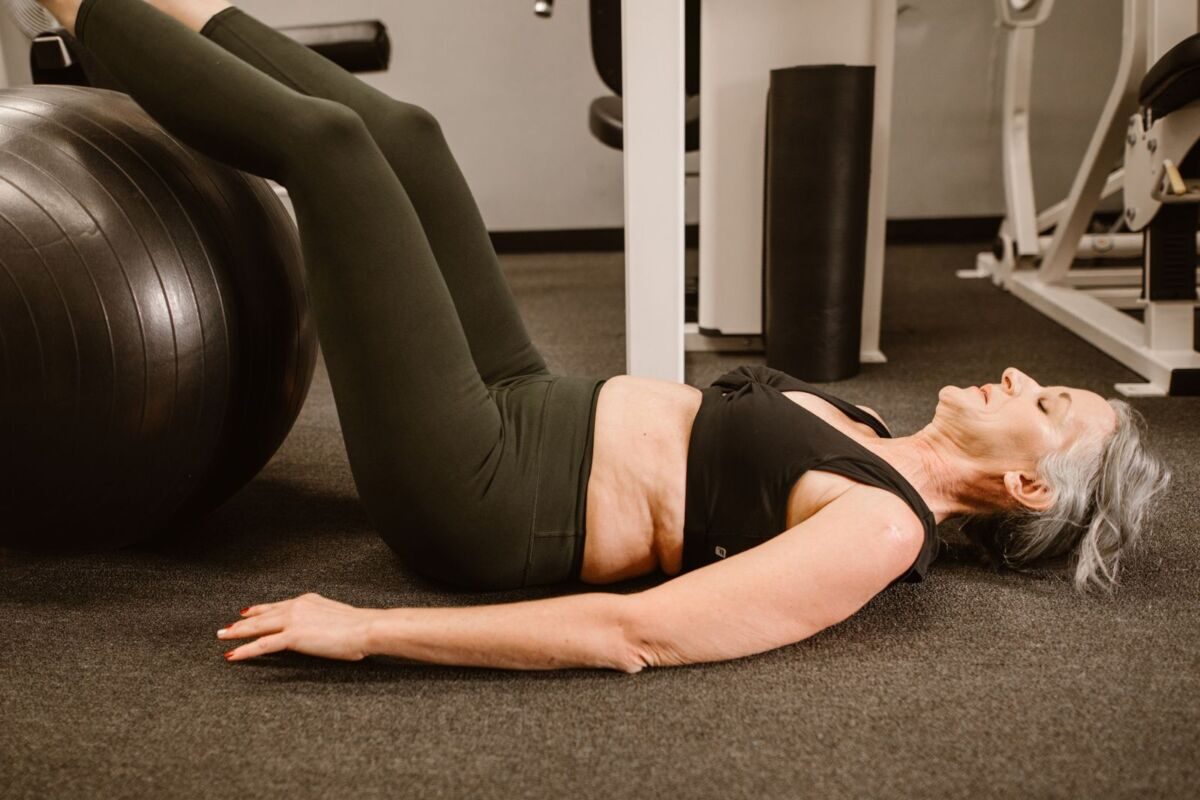

Understanding Pelvic Floor Physical Therapy For Bladder Stability
Many people find themselves mapping out the closest restrooms whenever they leave their homes. This constant awareness of bathroom proximity often stems from underlying muscular tension or weakness within the core support system. It is a common challenge that deserves more direct attention in our wellness discourse.
The anatomy of the pelvic region functions like a sling, supporting vital organs including the base of the bladder. When these muscles lose coordination or resting tone, the brain and the bladder stop communicating with optimal efficiency. This disruption frequently leads to unexpected urgency or frequent trips to the restroom.
Pelvic floor physical therapy for bladder health serves as a specialized approach to restoring muscle coordination and organ support. It utilizes targeted exercises and manual techniques to improve the function of the muscles that regulate urinary control. Individuals who participate in this form of re-education often report improved stability and better control over their daily habits.
Key Takeaways
- Research published by the National Institute of Diabetes notes that muscle coordination training can reduce urgency symptoms in over 60 percent of cases.
- Studies indicate that proper engagement of deep core stabilizers can increase resting pressure in the urethra by up to 20 percent.
- Clinical observations suggest that consistent practice of functional muscle isolation yields measurable changes in bladder habits within 8 to 12 weeks.
How Pelvic Floor Physical Therapy For Bladder Mechanics Functions
The primary goal involves teaching the brain how to recruit the correct muscles during moments of stress or pressure. Therapists often focus on identifying if the muscles are too tight or simply lack endurance. Proper muscle sequencing prevents the bladder from sending premature signals to the brain.
The following table outlines the differences between various states of muscle function and their common effects on urinary habits.
| Condition Type | Primary Characteristic | Common Daily Impact |
|---|---|---|
| Hypertonic Tension | Constant muscle holding | Increased sense of urgency |
| Hypotonic Weakness | Reduced baseline support | Leakage under physical stress |
| Dyssynergic Coordination | Improper firing patterns | Incomplete bladder emptying |
Practical Application And Muscle Isolation
Developing a consistent routine requires moving beyond generic movements. It starts with finding the correct muscles through subtle, internal engagement. Most people find that sitting upright or lying on their side provides the best feedback during initial attempts.
- The Initial Engagement: Focus on the muscles surrounding the urethra. Gently lift them toward the navel without gripping the glutes or thighs.
- The Sustained Hold: Aim for three seconds of activation followed by three seconds of complete relaxation. Relaxation is just as important as the contraction for long-term health.
- The Coordination Shift: Incorporate these movements before you stand up from a chair. This small shift prepares the supportive sling for the change in downward pressure.
The Role Of Integrated Breathwork
The diaphragm and the pelvic floor move in tandem during every inhale and exhale. When you inhale, the diaphragm descends and the pelvic floor naturally lengthens. Exhaling causes the diaphragm to rise and the pelvic floor to return to its resting position.
Breathing through the ribs rather than the chest wall assists this natural piston motion. Constant shallow breathing often prevents the pelvic floor from moving through its full, necessary range. Learning to breathe into the lower back and sides helps maintain the natural flexibility of these support tissues.
Addressing Common Implementation Barriers
Consistency often fails when individuals struggle to integrate these exercises into their existing lifestyle. Many find success by linking the practice to a specific, recurring event in their day. Brushing teeth or waiting for a coffee to brew can serve as a natural prompt to perform a few focused repetitions.
The research from the National Library of Medicine emphasizes that quality of contraction outweighs the total volume of repetitions. Avoid rushing through the movements or holding your breath during the process. Progress happens when the connection between the brain and the muscle becomes clearer and more reliable.
Frequently Asked Questions
How long does it take to notice changes in bladder control?
Most individuals begin to feel subtle differences in their awareness and control after roughly four weeks of daily practice. Consistent, small sessions are much more effective than occasional, lengthy workouts.
The nervous system requires repetition to form new patterns of muscle recruitment. Continued practice over three months usually solidifies these improvements into daily habits.
Can muscle tension contribute to bladder urgency?
Yes, muscles that remain in a state of constant, low-level contraction can irritate the surrounding nerves. This creates a false sensation of fullness or an urgent need to use the restroom.
Releasing this excess tension allows the bladder to fill properly without triggering premature signals. Teaching the muscles to fully relax is a vital component of the recovery process.
Should I stop all exercise while addressing these concerns?
Maintaining activity is generally encouraged, though high-impact movements might need temporary adjustment. Focusing on low-impact movement helps build coordination without overwhelming the system.
Adjusting the intensity of workouts can help you monitor how your body responds to pressure. You can slowly reintroduce more challenging activities as your baseline support improves.
What is the link between posture and bladder health?
The position of your pelvis directly impacts how the bladder is supported by your internal structures. Slumping or excessive arching can alter the tension on the pelvic floor muscles.
Proper alignment encourages the natural resting state of the support muscles. Finding a neutral spine position allows the bladder to remain in a stable, supported environment throughout the day.
Are there lifestyle factors that trigger bladder sensitivity?
Certain dietary habits can act as irritants to the bladder lining for some people. Common triggers include excessive caffeine, alcohol, or highly acidic food choices.
The National Institute on Aging suggests that monitoring intake can help identify if specific items influence your personal sensitivity. Identifying these patterns allows you to make informed decisions about your daily choices.
The Bottom Line
Improving the function of your support system takes patience and consistency. By addressing the connection between muscle tone and bladder signaling, you can regain confidence in your daily routines.
Start by observing your current posture and breathing patterns today. Note if you notice tension when you feel the need to move, and practice gentle, conscious relaxation to reset your baseline. Consult a licensed healthcare provider before starting any new wellness routine.
Get Your FREE Natural Health Guide!
Subscribe now and receive our exclusive ebook packed with natural health tips, practical wellness advice, and easy lifestyle changes, delivered straight to your inbox.