Using Flaxseed For Eye Vision Oils To Support Ocular Wellness
Dryness often plagues our eyes when we spend hours staring at screens. Many people seek natural ways to nourish the surface of their eyes from the inside out. Incorporating specific healthy fats into your diet may help maintain your natural tear production.
Maintaining eye moisture depends on the quality of your tear film. Healthy fats provide the necessary building blocks for these fluids. Many individuals look for ways to support their long term ocular comfort through nutritional changes.
Flaxseed for eye vision oils can provide essential fatty acids that support ocular surface integrity. These plant based fats help maintain the lipid layer of your tears to prevent rapid evaporation. Incorporating one to two tablespoons of ground seeds or cold pressed oil daily can assist in keeping your eyes lubricated.
Key Takeaways
- Omega 3 fatty acids in flax are associated with improved tear film stability in populations with dry eye symptoms.
- Studies from the National Institutes of Health suggest a daily intake of 1.1 to 1.6 grams of ALA for healthy adults.
- Maintaining a consistent ratio of omega 3 to omega 6 fats remains a central goal for managing systemic inflammation.
I track my own screen time and notice that when I prioritize plant based omegas, my eyes feel far less gritty by late afternoon.
The Nutritional Composition Of Flax Seeds
Flax seeds contain a unique profile of polyunsaturated fats. These seeds serve as one of the richest plant sources of alpha linolenic acid. This specific fatty acid acts as a precursor to other long chain fats that your body uses for structural support.
Biological Conversion Processes
Your body converts alpha linolenic acid into eicosapentaenoic acid and docosahexaenoic acid. This conversion occurs in the liver but happens at a low rate. Consuming the oil directly allows for easier digestion compared to breaking down the fibrous shell of the whole seed.
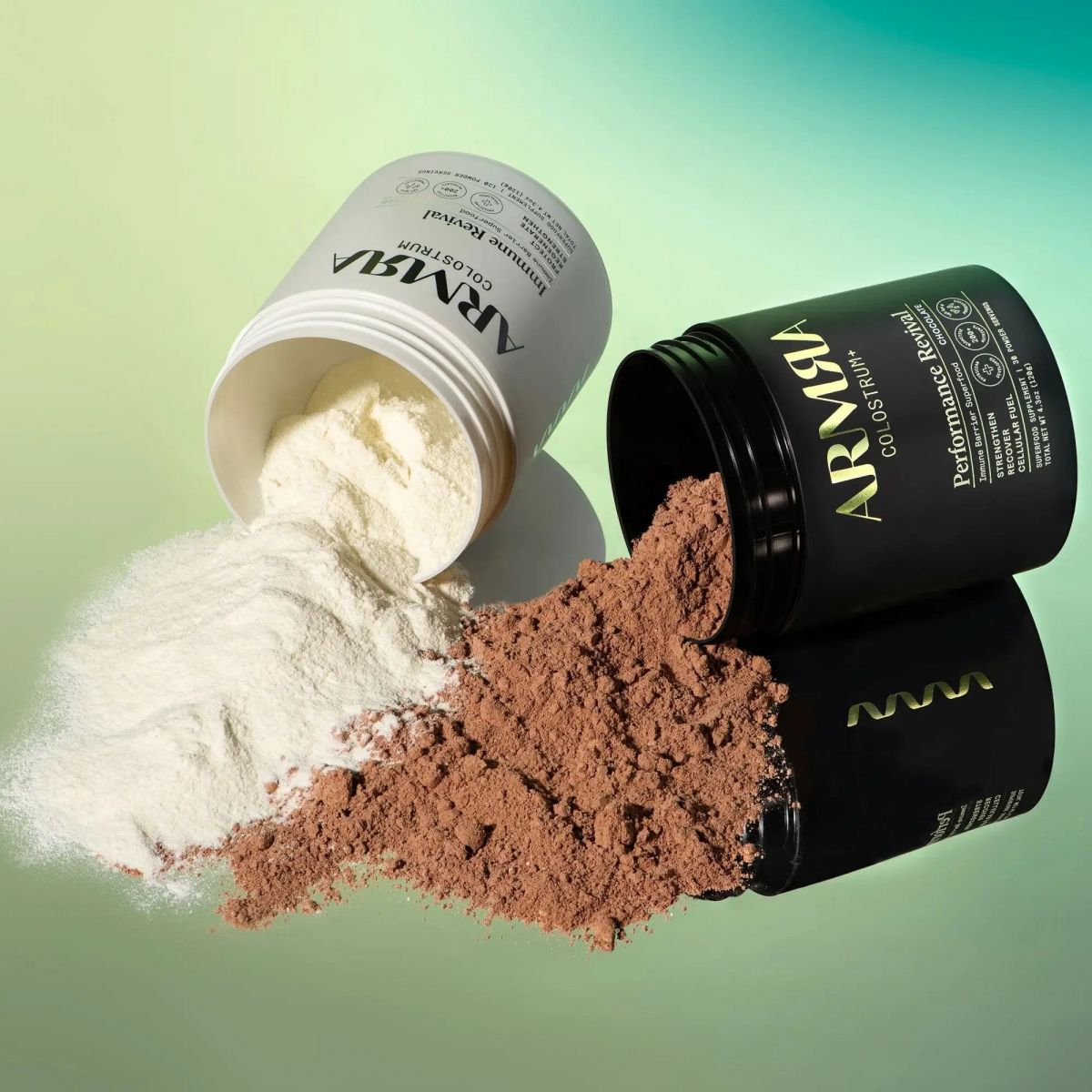
ARMRA Colostrum™ Foundational Support
- Designed to provide foundational nutritional support for overall bodily wellness and daily vitality
- Helps fortify the body's natural mucosal barriers against everyday environmental stressors
- Responsibly sourced and manufactured to optimize nutrient absorption without synthetic additives
The Role Of Lignans
Lignans are polyphenols found in the fibrous hull of the seed. While the oil contains fewer lignans than the meal, cold pressed versions preserve various antioxidants. These compounds help defend your tissues against environmental stressors throughout the day.
Understanding The Lipid Layer
Your tear film consists of three distinct layers. The outer layer contains lipids that prevent the watery part of your tears from spilling over your cheeks or evaporating too quickly. A deficit in these lipids often leads to that familiar stinging sensation.
Research from the National Eye Institute underscores the complexity of tear film health. When you consume enough omega 3 fats, you support the meibomian glands. These glands sit along your eyelids and secrete the oils needed for a healthy tear film.
Daily Intake Calculations
Determining your needs requires looking at your current dietary habits. If you do not eat fatty fish, you likely need more plant based sources of these specific fats. A simple math equation can help you balance your intake.
| Source Type | Fatty Acid Type | Typical Serving Amount |
| Flax Seed Oil | Alpha Linolenic Acid | 1 Tablespoon |
| Ground Flax Seeds | Alpha Linolenic Acid | 2 Tablespoons |
| Walnuts | Alpha Linolenic Acid | 1 Ounce |
To calculate your needs, assess your weekly consumption of omega 3s. Most experts suggest a total intake of two grams of ALA per day for general wellness. If your diet is low in these fats, adding one tablespoon of oil to your morning smoothie creates a steady baseline.
Environmental Factors Affecting Moisture
Your immediate environment plays a massive role in how your eyes feel. Air conditioning and heating systems pull moisture out of the air. This rapid evaporation puts a strain on your eyes that diet alone cannot resolve.
Indoor Humidity Strategies
Use a humidifier in your bedroom during the winter months. This device keeps the ambient air hydrated. You should also place a bowl of water near your workspace to create a microclimate for your eyes.
Screen Usage Habits
Blinking less often while focusing on a monitor dries out the surface of the eye. Follow the twenty twenty twenty rule to give your eyes frequent rests. Every twenty minutes, look at something twenty feet away for twenty seconds.
Selecting High Quality Supplements
Not all oils are created with the same care. Light and heat cause degradation of the delicate fatty acids inside the bottle. You must choose products that protect the integrity of the nutrients.
- Cold Pressed Process: This ensures the oil remains free from heat damage. Look for labels that mention this specific extraction method to guarantee quality.
- Opaque Packaging: Sunlight breaks down polyunsaturated fats. A dark glass or metal bottle is a mark of a responsible manufacturer.
- Expiration Dates: Freshness matters for the taste and efficacy of the oil. Always check the stamped date before making a purchase.
Integrating Healthy Fats Into Meals
Adding these fats to your routine should be simple and enjoyable. You do not need to take spoonfuls of plain oil if you dislike the flavor. Many culinary applications allow for a seamless transition.
Drizzle the oil over roasted vegetables after they come out of the oven. Never cook with this oil, as high temperatures destroy the structure of the fats. Add it to salad dressings or whisk it into yogurt instead.
The Connection To Systemic Inflammation
Inflammation affects every system in your body. When systemic inflammation remains high, your mucous membranes often become irritated. This includes the lining of your eyes and mouth.
Scientific consensus from the Centers for Disease Control suggests that diet influences chronic issues. Reducing processed oils while increasing omega 3 intake helps cool this systemic fire. Your eyes benefit as a result of this calmed state.
Frequently Asked Questions
How long does it take to notice a difference in eye comfort?
Most individuals report a change within four to six weeks of consistent use. You must allow time for your body to incorporate these new fatty acids into your cell membranes. This process is gradual and requires daily dedication to reach a point of noticeable relief.
Consistency acts as the primary factor in your success. If you skip days, your body struggles to maintain the necessary levels in your tear film. Stick with the routine for at least two months before evaluating the change in your eye moisture levels.
Can I eat too much flax oil?
Consuming excessive amounts of any oil can lead to digestive discomfort. You should stick to the recommended serving size of one to two tablespoons per day. More is not better when it comes to supporting your nutritional balance.
High doses of omega 3 fats might affect blood clotting in specific populations. If you take blood thinners or have a scheduled surgery, you must exercise caution. Balance remains the goal for all long term wellness habits.
Is the oil better than the whole ground seed?
The oil provides a concentrated dose of fatty acids without the need to digest the fiber. It is generally easier for the body to process in large quantities. However, the ground seeds provide fiber and lignans that the oil lacks.
Many people find that a mix of both works best for their lifestyle. You can use the oil in dressings and the ground seeds in oatmeal or yogurt. Choose the form that you are most likely to use every single day.
What is the best way to store flax oil?
The refrigerator is the only place for this product. Heat and light cause the oil to go rancid quickly. Keep the bottle in the back of your fridge where the temperature remains stable.
Always seal the cap tightly after every use to prevent oxygen exposure. If the oil develops a bitter or paint like odor, throw it away. Proper storage ensures you get the benefits of the nutrients without any spoiled taste.
Can children take flaxseed oil?
Children have different nutritional requirements than adults. You should consult a pediatrician before introducing concentrated oils into a child’s diet. Their growing bodies process fats differently than those of a fully developed adult.
Focus on incorporating whole seeds into their meals if you want to increase their intake of healthy fats. Fiber is beneficial for children as part of a balanced diet. Always introduce new additions slowly to monitor for any allergic reactions or sensitivities.
The Bottom Line
Incorporating flaxseed for eye vision oils offers a simple way to support your natural tear production. By choosing cold pressed, high quality options, you provide your body with the lipids required for ocular surface health. Remember that diet serves as one pillar of a healthy lifestyle alongside proper hydration and screen management. Consult a licensed healthcare provider before starting any new wellness routine.
Get Your FREE Natural Health Guide!
Subscribe now and receive our exclusive ebook packed with natural health tips, practical wellness advice, and easy lifestyle changes, delivered straight to your inbox.