Defining Why The Fish Oil Taste Test Omega 3 Routine Matters
I feel the familiar hesitation when reaching for a new supplement bottle on my kitchen counter. We often worry that a high price tag translates to rancid oils hiding behind a thick gelatin shell. A simple sensory check can provide clarity regarding the freshness of the fatty acids inside.
Quality control remains a primary concern for individuals wanting to support heart and brain wellness through marine sources. Freshness defines the impact of these compounds on the human system. Proper handling keeps the delicate structures stable for better absorption.
The fish oil taste test omega 3 process involves biting into a softgel to evaluate the flavor and scent for signs of oxidation. Fresh oil should possess a mild, clean, or nearly neutral taste. A harsh, sour, or metallic flavor suggests the lipids have degraded.
Key Takeaways
- High quality marine oils typically show a peroxide value below 5 meq/kg during initial production stages.
- Clinical data suggests that cold storage keeps essential fatty acids stable for up to 18 months.
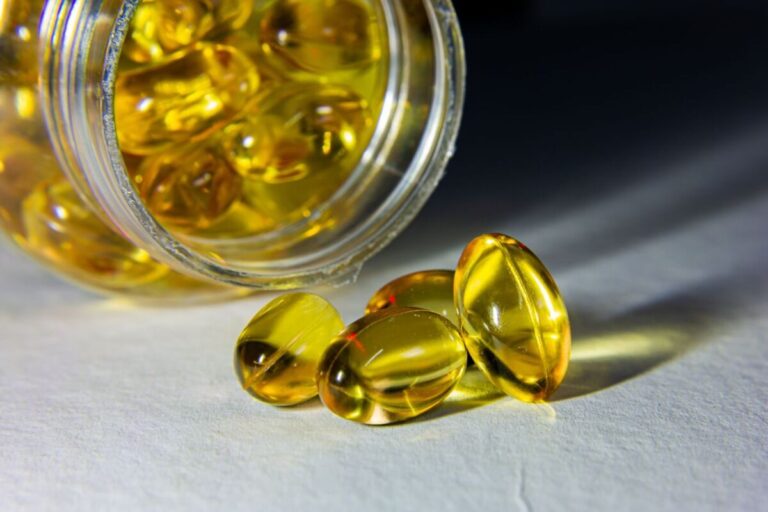
- Freshness markers include a clear, pale appearance rather than a cloudy or dark amber hue in the liquid.
Understanding The Molecular Integrity Of Marine Fats
Fatty acids rely on stable chemical bonds to deliver benefits to the cell membrane. Once these bonds break, the oil loses its original composition. Research from the National Institutes of Health indicates that proper storage prevents this breakdown.
Exposure to light, heat, and air accelerates the degradation process significantly. Sealed containers with dark glass help maintain the intended molecular structure. Always check the expiration date stamped on the bottom of the packaging.
Cloudiness inside the capsule often signals exposure to cold temperatures or separation of specific ingredients. This does not always mean the oil is spoiled. True rancidity presents as an unmistakable, aggressive, and pungent odor similar to rotting vegetation or old bait.
Methods For Testing Capsule Freshness
Performing a sensory check requires a clean palate and a quiet environment. Follow these steps to verify your current supply of marine supplements:
- Piercing the shell allows you to access the contents directly without the gelatin barrier.
- Assessing the scent provides the first clue about the state of the volatile compounds.
- Tasting the liquid for a few seconds lets you detect any sharp or burning sensations.
Spit out the oil immediately if it tastes excessively bitter or sharp. A neutral, mild flavor indicates that the product remains suitable for ingestion. Store any remaining capsules in a cool, dark cabinet away from the stove or windows.
Comparative Analysis Of Marine Oil Standards
| Feature | Fresh Oil Profile | Rancid Oil Profile |
|---|---|---|
| Flavor | Mild clean taste | Strong metallic bite |
| Odor | Neutral faint scent | Pungent fishy aroma |
| Color | Clear pale gold | Dark cloudy brown |
Demonstrating The Calculation Of Daily Dosage Requirements
Determining how much oil you need involves looking at the combined EPA and DHA content. Ignore the total milligram count listed on the front of the bottle. Focus strictly on the nutritional facts panel on the back.
If a label lists 1000 mg of total oil but only 300 mg of combined EPA and DHA, you must adjust your intake. Most studies from the National Center for Biotechnology Information suggest that the ratio of these specific components matters more than the total weight. Use the following simple formula to find your intake.
Divide your desired target of 1000 mg by the combined EPA and DHA amount per capsule. For example, if your capsule contains 500 mg, you need two capsules to reach the target. This ensures you receive the intended amount of active compounds without excess fillers.
Sources Of High Quality Marine Lipids
Small fish like sardines, anchovies, and mackerel offer the cleanest profiles. These species sit lower on the food chain and accumulate fewer environmental toxins. Large predator fish carry higher risks of contamination.
Wild caught options often provide a more balanced profile of nutrients compared to farmed varieties. Look for certifications from independent testing organizations. These groups audit batches for purity and concentration levels.
Consider the processing method used to extract the liquid. Cold pressing or molecular distillation preserves the integrity of the fragile chains. These techniques remove impurities while keeping the essential components intact for the end user.
Addressing Environmental And Dietary Barriers
Some individuals find the texture of liquid oils difficult to manage on a daily basis. Capsules help mask the natural essence of the marine source. Keep capsules in the freezer if you experience persistent reflux or burping after intake.
Freezing the oil slows down the release in the stomach. This simple change helps many people feel better during digestion. Drink plenty of water when taking your supplements to support general transit through the digestive tract.
Integrate your intake with a meal containing other dietary fats. The presence of food aids in the digestion of these compounds. Consistency over time produces better results than sporadic or inconsistent consumption patterns.
Cofactor Interactions For Improved Wellness
Vitamin E acts as a natural stabilizer for polyunsaturated fats. Many brands add this to the formula to prevent the oil from spoiling inside the bottle. Check the label for this added layer of protection.
Ensure your total dietary intake includes enough antioxidants from colorful vegetables. These compounds support the body as it processes and utilizes the marine lipids. A balanced approach remains the most effective path toward wellness.
Consult with the professional who manages your health records regarding any potential interactions with other supplements. Government guidelines from the Department of Health and Human Services recommend prioritizing whole food sources whenever possible. Supplements should complement a nutrient dense diet, not replace it.
Frequently Asked Questions
How long does a bottle of oil stay fresh after opening?
Most manufacturers suggest consuming the contents within three to six months of breaking the initial seal. Exposure to oxygen begins the degradation process, which continues even when you replace the cap tightly.
Store the container in a refrigerator to extend the shelf life beyond the standard recommendation. Watch for changes in smell or color as these provide reliable indicators that the product has reached the end of its useful period.
Does the color of the liquid indicate the quality?
High quality oil typically appears as a light, translucent yellow or clear liquid. Darkening of the oil happens due to oxidation or the use of lower grade raw materials during the manufacturing phase.
If you notice the liquid shifting from gold to a deep amber or brownish tint, discontinue use immediately. Freshness is visible and a clear oil usually suggests proper filtration and handling during production.
Can I test my capsules if they are enteric coated?
Enteric coatings prevent the capsule from dissolving in the stomach, which makes a traditional sensory test difficult. You would need to cut or crush the coating to access the interior liquid for an evaluation.
This action destroys the purpose of the coating, so only perform this if you suspect the product is rancid. If you feel hesitant about the quality, reach out to the manufacturer for batch testing results.
Why do some supplements cause a fishy aftertaste?
A strong or lingering fishy flavor often occurs when the oil is close to becoming rancid. Fresh oil is remarkably neutral and should not cause significant repeat or discomfort after ingestion.
Some people also experience a fishy burp due to slow digestion or lack of stomach acid. Try taking your capsule at the very beginning of a meal to help it move through your system more efficiently.
Should I switch brands if I notice a strong odor?
A pungent, offensive, or sharp odor is a clear sign that the product has degraded. Do not consume oil that exhibits these characteristics, as oxidation reduces the value of the fatty acids.
Switching to a brand that provides third party verification or transparency about their cold chain process is a smart move. Always prioritize companies that show recent testing dates on their product batches.
The Bottom Line
Performing a regular fish oil taste test omega 3 routine ensures you receive the intended benefits without consuming oxidized lipids. Freshness is the cornerstone of effective supplementation with marine fats.
Examine the appearance and smell of your supplements to confirm their quality. Always store your bottles in a cool, dark environment. Consult a licensed healthcare provider before starting any new wellness routine.
Get Your FREE Natural Health Guide!
Subscribe now and receive our exclusive ebook packed with natural health tips, practical wellness advice, and easy lifestyle changes, delivered straight to your inbox.