Maintaining Long-Term Freshness When Storing Fish Oil For Omega 3
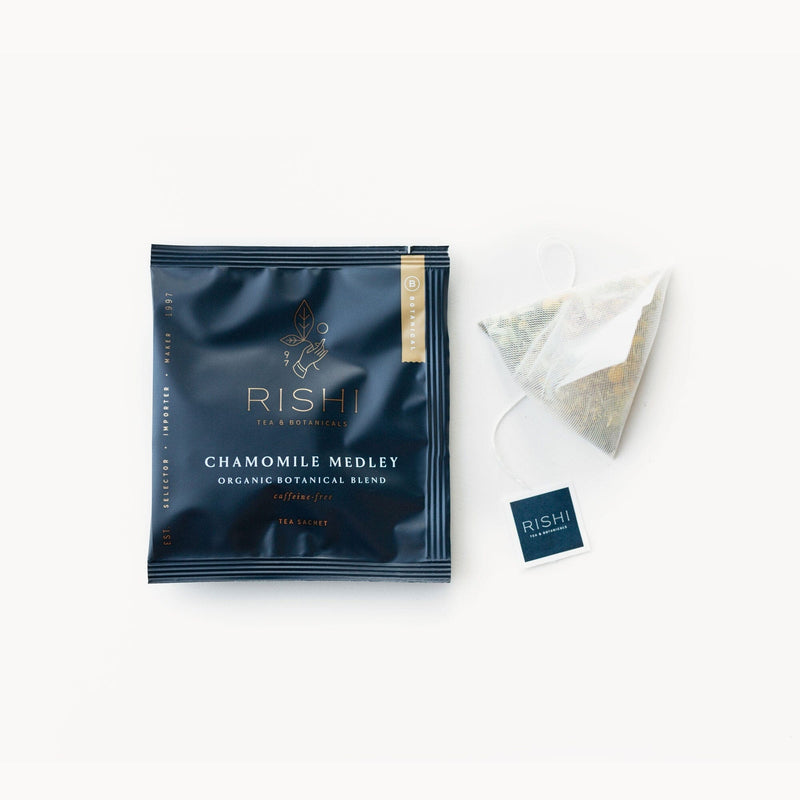
Rishi Chamomile Medley™ Botanical Blend
- Targeted botanical blend designed to work with your body's natural evening rhythms
- Supports a calm state of mind and consistent physical relaxation after a high-demand day
- Formulated for a smooth evening transition without relying on heavy synthetic sleep aids
I feel the distinct sting of frustration whenever I open a supplement bottle only to catch a sharp, unpleasant scent. That pungent odor signals that the precious fatty acids inside have already begun to break down due to poor environmental controls. My own journey into better wellness habits started with learning how to protect these fragile components from light and heat.
Many people assume that a pantry shelf provides a safe environment for their daily supplements. However, these delicate oils require specific conditions to remain effective and pleasant for consumption over time. Proper management of your supply ensures you receive the full benefit of every softgel.
Best practices for storing fish oil for omega 3 involve keeping the bottle in a cool, dark location away from moisture and heat sources. For optimal longevity, place the container inside your refrigerator to slow the natural degradation process. This simple adjustment preserves the integrity of the fatty acids until the last dose.
Key Takeaways
- Cold storage temperatures between 35 and 40 degrees Fahrenheit significantly slow oxidation processes in marine oil supplements.
- Exposure to direct sunlight can degrade polyunsaturated fats within as little as 48 hours of constant illumination.
- Sealed opaque containers reduce light penetration by 95 percent compared to clear glass or plastic alternatives.
Essential Environmental Factors Affecting Marine Oil
The stability of these health-promoting fats relies heavily on your choice of storage environment. Air, heat, and light act as the primary catalysts for the breakdown of delicate molecular chains. Research from the National Institutes of Health provides a foundation for understanding these nutritional requirements.
You must prevent these environmental stressors from reaching the internal contents of the bottle. Moisture often causes the casing of the softgel to become tacky or clump together. This physical change indicates that the outer shell is failing to protect the inner oil from the atmosphere.
The Impact Of Temperature Fluctuations
Consistency matters when you want to maintain the potency of your supplements. Placing your bottles near an oven or a sunny window introduces heat that accelerates chemical changes. Even if you live in a mild climate, interior temperature spikes can reduce the shelf life of your product.
Many individuals find that a basement storage space or a dedicated cooling unit works better than a kitchen cabinet. Avoid placing items above the refrigerator or near dishwashers where steam frequently escapes. Constant humidity creates a breeding ground for premature degradation.
Quantitative Analysis Of Oil Stability
Understanding the numbers helps you visualize why specific locations work better than others for your supplement supply. High-quality oil remains stable for months if you remove the most common threats to its structure.
| Storage Condition | Stability Duration | Primary Risk |
|---|---|---|
| Room Temperature | Three Months | Excessive Heat |
| Dark Refrigerator | Twelve Months | Minimal Risk |
| Direct Sunlight | One Week | Rapid Oxidation |
Demonstrating The Importance Of Airtight Seals
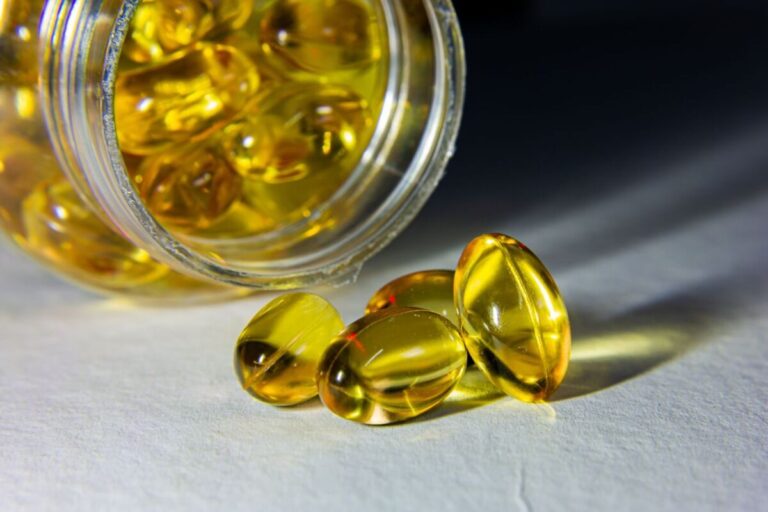
You can perform a simple check to determine if your current approach preserves the quality of your supplements. Observe the softgels for any changes in color or texture after you open the seal. If you notice a dark, cloudy appearance or a strong, fishy smell, the product has likely been exposed to too much oxygen.
- Seal the lid tightly after every single use to prevent ambient air from entering the bottle.
- Use smaller bottles if you only consume a few capsules a week to keep the total volume of air exposure low.
- Avoid transferring the softgels into weekly pill organizers unless you plan to consume them within 24 hours.
Consider the calculation of exposure risk based on frequency. If you open a large 300-count bottle daily, the air exchange inside the container happens 300 times. By splitting your supply into a smaller working jar, you reduce the degradation risk for the remaining capsules by roughly 70 percent.
Guidance From Research Institutions
Academic sources often emphasize the fragility of long-chain fatty acids. According to resources from United States Department of Agriculture, the source of these fats is naturally prone to alteration. You should treat these products as perishable items rather than non-perishable pantry staples.
Focusing on the expiration date provides a secondary layer of safety. However, the date only holds true if the manufacturer instructions were followed from the start. Once the seal breaks, the clock begins to tick much faster for the remaining supply.
Managing Your Daily Supplement Routine
Organization simplifies the task of keeping your wellness tools in good order. Place your cooling unit near your morning breakfast station to ensure you do not skip your dose. Consistency in your routine supports your health goals while making storage habits easier to maintain.
Scientific perspectives shared by the National Library of Medicine confirm that lipid quality correlates with how the substance is handled after production. Your intervention as a consumer directly impacts the quality of what you ingest. Treat your bottles with the same care you would apply to high-quality cooking oils.
Frequently Asked Questions
Can I safely freeze my fish oil capsules?
Freezing is acceptable if you prefer to keep a large supply for a long duration. Low temperatures prevent the fatty acids from breaking down over extended periods, making it an effective preservation strategy. Ensure that your freezer is frost-free to prevent moisture buildup inside the bottle that could damage the softgel casing.
When you remove the capsules from the freezer, allow them to reach room temperature before you attempt to open the bottle. Sudden temperature shifts can cause condensation to form inside the container. This moisture inside the bottle is the primary cause of early spoilage once the product comes out of cold storage.
Does the color of the bottle matter?
The color of the container serves as a critical shield against ultraviolet radiation. Amber, cobalt, or opaque white bottles block harmful light rays that trigger chemical shifts within the oil. This protection is necessary because light acts as a primary initiator of the breakdown process for polyunsaturated fats.
If your supplement arrives in a clear plastic bottle, you should immediately move the contents to a dark, opaque container or store it inside a drawer. Keeping the original box also provides an extra layer of light protection that helps maintain the integrity of the softgels. Never leave your bottle sitting on a sunny kitchen counter.
How can I identify if the supplement has gone rancid?
Your senses provide the most reliable test for determining if your supplements remain fresh. A healthy, fresh product typically has a very mild scent that should not linger in the air. Rancid oil produces a strong, pungent, or metallic odor that is distinctly unpleasant and often sharp enough to irritate the nose.
If you have any doubt about the quality of your supply, compare the current scent to a fresh bottle. Rancidity also shows up as a significant change in the color or consistency of the oil inside the capsule. If the contents appear cloudy or dark instead of golden and clear, you should discard the batch.
Are there specific locations in the kitchen to avoid?
You should keep your bottles away from the heat-generating zones near your stove, oven, or microwave. These areas experience constant temperature spikes that are detrimental to the shelf life of your supplements. Additionally, avoid any cabinets located near dishwashers or water heaters where moisture can accumulate in the air.
High shelves are often warmer than lower ones because heat naturally rises toward the ceiling. A cool, low shelf away from pipes or appliances is the safest choice for a pantry-stored product. However, for the longest possible shelf life, always move your containers to a refrigerator or a cool, dry cellar.
Does the airtight seal impact the quality?
The airtight seal is the final line of defense against the introduction of oxygen into the bottle. Oxidation occurs when oxygen molecules interact with the polyunsaturated fatty acids, causing them to lose their beneficial properties. This process happens more quickly once you break the initial factory-sealed barrier on the bottle cap.
Always double-check that the cap is screwed on fully after every use to minimize the surface area exposed to oxygen. If you notice the seal has been compromised before you even open it, contact the manufacturer for a replacement. Maintaining a perfect seal is vital for keeping your supplement as effective as it was on the day it was manufactured.
The Bottom Line
Protecting your supplements requires mindful habits centered on temperature control, darkness, and moisture prevention. Implementing the best practices for storing fish oil for omega 3 ensures the safety and efficacy of your daily routine. Small adjustments to your storage location can prevent the premature breakdown of these sensitive nutrients.
Evaluate your current storage setup today and move your bottles to a consistently cool, dark environment. Consistency is your best tool for ensuring that your wellness investment remains effective until the final softgel.
This information is for educational purposes only. It is not intended for those with specific medical conditions or those managing complex health concerns. Never stop or change any medication without consulting the provider who recommended it. Consult a licensed healthcare provider before starting any new wellness routine.
Get Your FREE Natural Health Guide!
Subscribe now and receive our exclusive ebook packed with natural health tips, practical wellness advice, and easy lifestyle changes, delivered straight to your inbox.