Many of us look at our lipid panels with a sense of trepidation after our annual checkups. We want to understand the numbers but often feel overwhelmed by the dense language of cardiovascular wellness. It is a common human struggle to reconcile our dietary habits with the internal markers of our long term physical health.
The search for effective lipid management often leads us to consider various marine-based sources of fatty acids. While traditional options remain popular, many individuals are looking toward different pathways for managing cholesterol ratios with krill oil.
Managing cholesterol ratios with krill oil involves utilizing the specific phospholipid structure found in these crustaceans to influence lipid markers and potentially support healthy blood fat levels. By providing concentrated omega-3 fatty acids in a form that integrates easily into cell membranes, this approach offers a distinct alternative to standard fish-derived supplements.
Key Takeaways
- Research from the National Institutes of Health indicates that omega-3 supplementation may lower triglycerides by approximately 15 to 30 percent in certain individuals.
- Phospholipids in krill-derived supplements have a higher bioavailability than the triglycerides found in standard fish oil, potentially improving absorption rates.
- Targeting a healthy ratio of HDL to LDL cholesterol remains a primary goal for sustaining cardiovascular resilience according to broad public health data.
The Biological Role Of Marine Phospholipids
Most marine supplements rely on triglycerides to deliver essential fats to the body. Krill oil differs because its omega-3 content is primarily attached to phospholipids, which mirror the structure of human cell membranes. This structural similarity allows for smoother transport and potentially better delivery to target tissues.
When we discuss lipid markers, we focus on the balance between high-density and low-density lipoproteins. Sustaining this balance is important for maintaining clear pathways for blood flow. High-quality fats assist in this process by preventing the accumulation of unwanted material in the vessels.
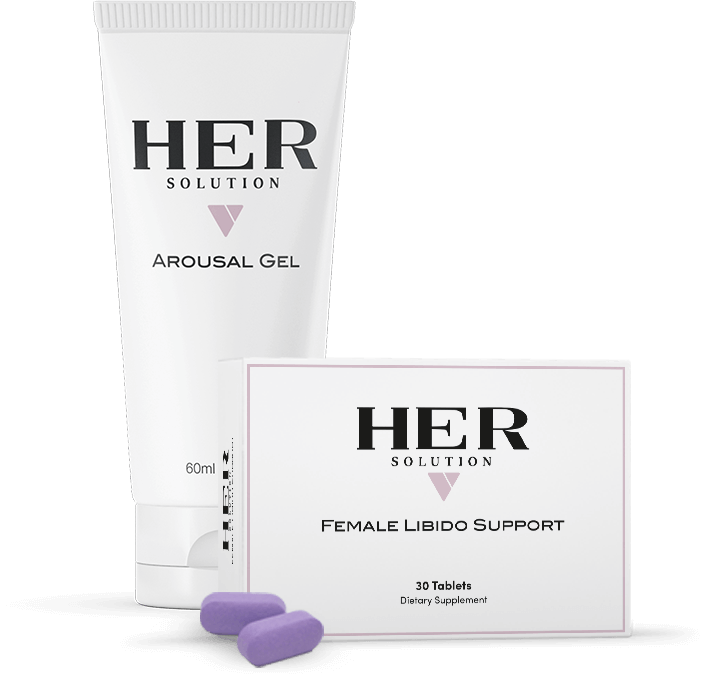
HerSolution™ Women's Botanical Formula
- Botanical daily formula designed to support female vitality and encourage a natural return of physical drive
- Helps restore natural moisture, physical comfort, and bodily responsiveness for enhanced intimate wellness
- Manufactured in a cGMP-compliant facility without relying on harsh synthetic hormones
Evidence regarding the specific impact of these lipids is growing across the scientific community. A study published by the National Library of Medicine highlights the influence of various marine sources on human lipid profiles. Integrating these fats provides a foundation for more balanced physiological function.
Comparative Analysis Of Lipid Sources
| Source Type | Primary Structure | Absorption Efficiency |
| Standard Fish Oil | Triglycerides | Moderate Baseline |
| Krill Oil | Phospholipids | High Bioavailability |
| Plant Sources | ALA Fatty Acids | Conversion Dependent |
Step By Step Calculation For Lipid Goals
Individuals often struggle to interpret their specific lipid goals. A common approach involves calculating the ratio between total cholesterol and the protective high-density markers. This provides a clearer picture than looking at a single number in isolation.
To perform this calculation, divide your total cholesterol by your high-density lipoprotein level. A result below 5.0 is typically considered a favorable target by many wellness professionals. This simple division helps you monitor your progress toward a healthier internal environment over time.
Beyond Fish Oil For Managing Cholesterol Ratios With Krill Oil
1. **Source Integrity** matters because the purity of the catch affects the final quality of the lipids. Look for brands that prioritize sustainable harvesting in cold Antarctic waters to ensure the lowest levels of environmental contaminants.
2. **Dosage Precision** is vital for achieving consistent results in your wellness routine. Most studies indicate that a daily intake ranging from 500 to 1,000 milligrams provides enough active material for most individuals to notice a shift in their baseline markers.
3. **Consistency Matters** because your body needs time to integrate these fatty acids into your cell membranes. Commit to a daily schedule for at least three months before evaluating your progress through updated testing with your wellness provider.
Essential Cofactors For Lipid Health
Dietary fat intake does not happen in a vacuum. Your body requires a suite of micronutrients to process these fats correctly. Vitamins like B12 and folate, often discussed by the Centers for Disease Control, play a part in managing the markers that affect vessel health.
Adding leafy greens and colorful vegetables to your plate provides the antioxidants needed to protect these delicate fats from damage. Focus on diversity in your meals to support your cardiovascular system holistically. Fiber is also a major player in removing excess lipids from the digestive tract before they enter the bloodstream.
Frequently Asked Questions
How long until results appear in my blood tests?
Visible changes in your lipid markers usually occur after three to six months of steady usage. Biological systems require time to cycle through and replace the fatty acid composition within your cellular structure.
It is important to remember that lifestyle factors also influence these outcomes significantly. Consistent exercise combined with a diet rich in whole foods will produce faster results than supplementation alone.
Are there any common side effects to expect?
Most individuals tolerate these supplements well without any major digestive discomfort. Some people report a mild fishy aftertaste, which usually fades if you take the supplement with a meal containing other fats.
If you experience any unusual reactions, pause your intake and consult your wellness guide. Adjusting the time of day or taking the supplement with food often solves minor tolerability issues.
Can I combine this with other heart health supplements?
Combining marine-based fats with other nutrients like magnesium or vitamin D is often considered safe for the general population. These combinations can support broad cardiovascular function through different biological pathways.
Always verify that your total intake of specific vitamins does not exceed safety guidelines. It is best to introduce one new supplement at a time to monitor your response clearly.
Does the cold water origin change the oil quality?
The cold environment of the Southern Ocean contributes to the stability and nutrient density of the harvest. Marine life in these conditions maintains specific structural profiles to survive freezing temperatures.
These natural adaptations result in a clean and potent source of essential fats. Sourcing from pristine waters minimizes the risk of exposure to impurities common in warmer, more industrialized oceanic regions.
Who should avoid these marine supplements?
Individuals with known allergies to shellfish or crustaceans must avoid these products entirely. These supplements are derived from small marine animals and contain proteins that can trigger reactions in sensitive people.
Always check the product label for allergen warnings before introducing anything new into your routine. If you have any history of adverse reactions to seafood, focus your wellness efforts on plant-based alternatives instead.
The Bottom Line
Managing cholesterol ratios with krill oil provides a focused way to support your cardiovascular health through high-quality marine phospholipids. By choosing sustainable sources and maintaining a consistent daily habit, you provide your body with the structural materials it needs to maintain balanced lipid levels.
Review your current lipid panel with your wellness provider to establish a starting point for your goals. Begin incorporating a high-quality supplement today to support your long-term cardiovascular resilience.
The Trust Boundary: This guidance is intended for educational purposes only and is not suitable for individuals with existing severe cardiovascular conditions or those requiring specific medical interventions. Never stop or change any medication without consulting the provider who recommended it. Consult a licensed healthcare provider before starting any new wellness routine.
Get Your FREE Natural Health Guide!
Subscribe now and receive our exclusive ebook packed with natural health tips, practical wellness advice, and easy lifestyle changes, delivered straight to your inbox.