
Understanding Why Kelp Noodles For Omega 3 Are A Pantry Essential
Many of us reach for heavy, processed grains when hunger strikes, yet our bodies crave density and mineral-rich alternatives. Finding a foundation for meals that provides both structural versatility and hidden nutrient potential can feel like an elusive goal. Sea vegetables offer a unique way to bridge this gap in our daily routines.
Kelp noodles serve as a translucent, texture-rich base that fits seamlessly into raw or cooked preparations. While these sea-harvested strips are famous for their mineral content, they are often overlooked as a potential component in an omega-inclusive diet. By pairing them with the right fats, you create a complete culinary experience.
Kelp noodles are not a direct source of omega-3 fatty acids themselves, but they act as a perfect, low-calorie vessel for nutrient-dense, omega-rich dressings and oils. When tossed with flaxseed oil, walnut vinaigrettes, or chia seeds, they become a functional vehicle for healthy fats. This combination ensures your body receives essential lipids while maintaining a light, gut-friendly profile.
Key Takeaways
- Mineral Density: Raw kelp contains significant amounts of iodine, often providing over 100% of the recommended daily intake in a small serving.
- Caloric Efficiency: A standard serving of kelp noodles typically contains fewer than 15 calories, offering a weight-neutral base for nutrient-dense additions.
- Fat Absorption: Research published by the National Institutes of Health indicates that consuming healthy fats alongside vegetables improves the bioavailability of fat-soluble compounds.
Comparative Nutrient Profiles For Meal Bases
| Base Type | Primary Benefit | Omega-3 Density |
|---|---|---|
| Kelp Noodles | High mineral count | Negligible |
| Whole Wheat Pasta | Fiber content | Low |
| Hemp-Seed Pasta | Complete protein | Moderate |
The Role Of Healthy Fat Pairing
Sea plants provide the mineral foundation, but they require exogenous sources of essential fats to provide satiety. Since these noodles are neutral in flavor, they absorb the characteristics of whatever sauce coats them. Adding high-quality oils or seeds is the most effective method for turning a simple bowl into a balanced meal.
You can reference the Dietary Guidelines for Americans to better understand how to balance your fat intake with vegetable-forward bases. Focus on incorporating cold-pressed oils like flax, hemp, or camelina to ensure you get the best lipid profile possible. These oils provide the missing link that standard sea-vegetable preparations often lack.
Practical Culinary Demonstration
To prepare an omega-rich bowl, start by rinsing your noodles under cold water to remove the salt-based brine. Place them in a large mixing bowl and add two tablespoons of cold-pressed flaxseed oil. This oil is a potent source of alpha-linolenic acid, an essential fatty acid.
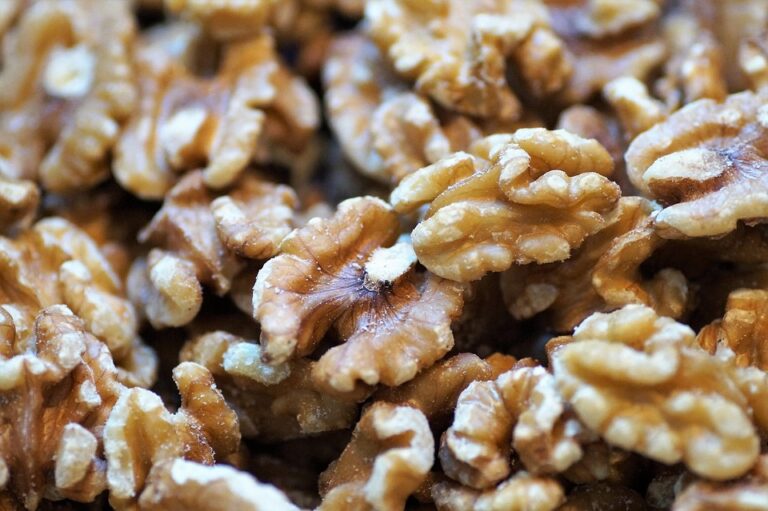
Next, fold in toasted walnuts and crushed chia seeds to provide a satisfying crunch. Finish the dish with a splash of lemon juice and fresh herbs to brighten the overall profile. This combination relies on the noodles to provide volume while the fats and seeds provide the necessary nutritional density.
Addressing Common Dietary Misconceptions
Many individuals mistakenly believe that eating sea vegetables automatically provides a full spectrum of lipids. While sea plants like kelp and nori contain trace amounts of fatty acids, they rarely offer enough to meet daily requirements. You must consciously add supplemental fats to achieve your wellness targets.
Always verify the origin of your sea vegetables to ensure high quality and purity. Environmental sustainability in harvesting is a growing concern, and reputable brands often provide testing data for their products. Seek out university-led research resources regarding safe and sustainable seaweed harvesting practices to inform your pantry choices.
Frequently Asked Questions
Do kelp noodles contain naturally occurring fats?
Kelp noodles are almost entirely composed of water and alginate, which is a type of dietary fiber found in brown seaweed. They contain negligible amounts of fat, protein, or carbohydrates, making them a very low-calorie foundation for your meals.
Because they lack inherent fats, you should treat them as a blank canvas. By incorporating oils or seeds, you transform the meal into a balanced source of nourishment.
How should I store these noodles once the package is opened?
After you open a package of kelp noodles, they must be kept in a container covered with water or their original brine. Storing them in the refrigerator ensures they maintain their crisp texture for several days.
If they become slightly soft, a quick rinse in cold water can sometimes restore some of their characteristic snap. Always check for any changes in color or odor before using stored noodles.
Are there specific omega-3 sources that pair best with these noodles?
Cold-pressed flaxseed oil, hemp oil, and walnut oil are excellent pairings because their subtle earthy notes complement the mild sea-salt flavor of the noodles. These oils contain high levels of alpha-linolenic acid, which is an important plant-based fatty acid.
You can also use toasted sesame oil for a more traditional flavor, though this contains fewer omega-3s than the options mentioned above. Mixing your oil with a bit of miso paste creates a creamy texture that coats the noodles well.
Can these noodles be heated safely without losing quality?
Kelp noodles hold up well to moderate heat, though you should avoid long boiling times if you want to keep them firm. Adding them to a stir-fry during the final minute of cooking is the best way to incorporate them into hot meals.
Extended heat exposure can eventually cause the noodles to soften significantly. For the best texture, keep them toward the end of your preparation process.
How do I know if the noodles are high-quality?
High-quality kelp noodles should be translucent and firm, never mushy or discolored. The packaging should clearly state the source of the seaweed and indicate if the product has undergone safety testing for heavy metals.
Since kelp acts as a filter in the ocean, the reputation of the harvesting location is significant. Trust brands that prioritize transparency and regular safety documentation for their harvests.
The Bottom Line
Kelp noodles are a versatile, mineral-rich base that functions best when combined with healthy fats. While they do not provide omega-3s on their own, their unique texture makes them an ideal vehicle for nutrient-dense oils and seeds. Incorporate these noodles into your routine by pairing them with cold-pressed oils to meet your personal wellness goals.
Never stop or change any medication without consulting the provider who recommended it. This content is for informational purposes only and is not intended for individuals with pre-existing thyroid conditions or specific iodine sensitivities. Consult a licensed healthcare provider before starting any new wellness routine.
Get Your FREE Natural Health Guide!
Subscribe now and receive our exclusive ebook packed with natural health tips, practical wellness advice, and easy lifestyle changes, delivered straight to your inbox.