
Can Afternoon Napping Slow Down Heart Aging Through Restorative Rhythms
Many of us feel that familiar midday slump when the brain fog rolls in and the urge to close our eyes becomes overwhelming. Research indicates that this natural dip in energy often aligns with our internal biological clocks rather than just a poor night of sleep. Understanding how intentional rest influences long-term cardiovascular markers helps us better manage our daily schedules.
The concept of napping for heart aging involves looking at how short intervals of daytime rest potentially lower systemic stress. Emerging data suggests that blood pressure regulation improves when the body experiences frequent, short-duration periods of stillness. This practice represents a low-cost, accessible approach to supporting vascular health.
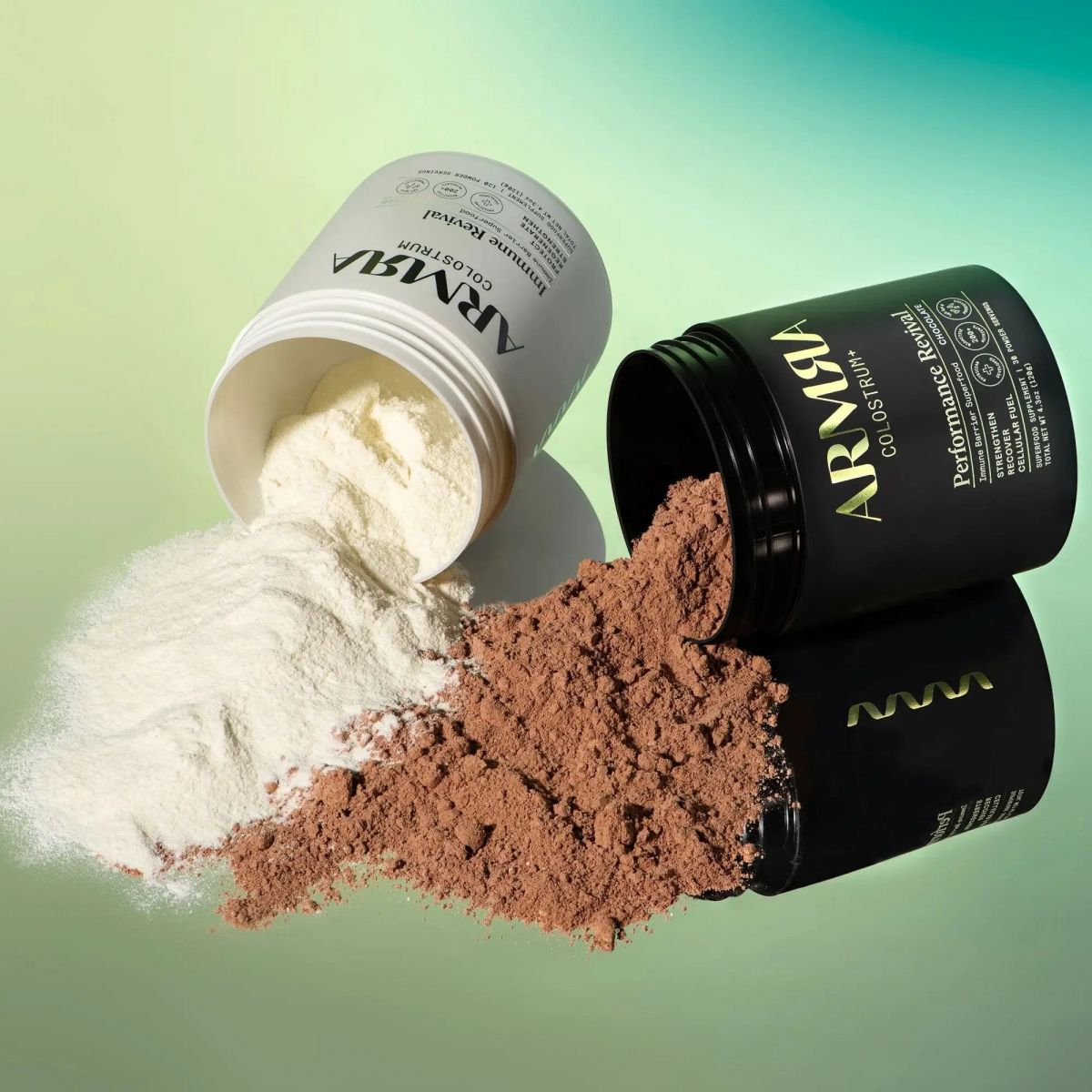
ARMRA Colostrum™ Foundational Support
- Designed to provide foundational nutritional support for overall bodily wellness and daily vitality
- Helps fortify the body's natural mucosal barriers against everyday environmental stressors
- Responsibly sourced and manufactured to optimize nutrient absorption without synthetic additives
Short, scheduled daytime rest periods may mitigate cardiovascular strain by lowering cortisol levels and reducing blood pressure fluctuations. Evidence from the National Institutes of Health suggests that habitual short-duration rest contributes to improved hemodynamic stability. Aiming for a 20-minute rest cycle balances the need for recovery without disrupting essential nocturnal sleep patterns.
Key Takeaways
- Short naps lasting 15 to 30 minutes correlate with lower systolic blood pressure markers in some longitudinal population studies.
- Frequency matters as data shows that limited, bi-weekly rest periods may provide more cardiovascular protection than daily, prolonged sleep sessions.
- Sleep architecture disruptions occur when naps exceed 45 minutes, which can interfere with nighttime recovery and negate potential heart health benefits.
Measuring The Cardiovascular Impact Of Short Rest
| Duration | Heart Impact | Benefit Level |
|---|---|---|
| 10 Minutes | Minor stress reduction | Low |
| 20 Minutes | Optimal pressure relief | High |
| 60 Minutes | Possible sleep inertia | Negative |
The Physiology Of Midday Recovery
Resting during the day influences the autonomic nervous system by shifting the balance from a sympathetic response toward a parasympathetic state. This transition allows the heart rate to normalize, particularly after high-intensity work hours. When we allow this pause, we provide the cardiovascular system with a window to recalibrate.
Chronic elevation of stress markers often leads to vascular wear over time. By incorporating a brief reset, individuals may avoid the cumulative damage associated with persistent mental and physical tension. According to resources from the National Library of Medicine, managing baseline stress is vital for long-term arterial health.
Practical Framework For Scheduled Rest
Implementing a successful rest routine requires specific timing and environmental control. Avoid the temptation to sleep for long periods, as this induces grogginess and impacts evening rest.
- Set the timer for exactly 20 minutes to ensure the rest remains restorative without entering deep sleep stages.
- Dim the lights or use an eye mask to signal the brain that it is time to transition into a calm state.
- Create silence by using white noise or noise canceling gear to prevent auditory interruptions during the session.
Many readers struggle to find a quiet space during busy workdays. Finding a vehicle, a quiet break room, or even a secluded office corner can suffice for these short intervals. Consistency yields better results than sporadic attempts at resting.
Some individuals report increased alertness after a short rest, which serves as a secondary benefit to the cardiovascular focus. Information provided by the Centers for Disease Control emphasizes the importance of consistent sleep hygiene for maintaining overall heart health. Remember that quality of rest often outweighs the total duration spent in a horizontal position.
Frequently Asked Questions
Does a long nap affect heart health differently than a short nap?
Prolonged daytime sleep often leads to sleep inertia and can cause significant disruptions to the nighttime circadian rhythm. When the body gets confused about whether it is night or day, the quality of nocturnal sleep diminishes, which is detrimental to cardiovascular recovery.
Data suggests that long naps are associated with different physiological outcomes than short, tactical rests. Keep sessions under 30 minutes to avoid these unwanted trade-offs while still reaping the benefits of a mid-day reset.
Can I replace nighttime sleep with a nap?
Daytime rest is intended to supplement and not replace the restorative processes that occur during a full night of sleep. The hormonal regulation and cellular repair cycles that happen at night cannot be replicated by short naps alone.
Using naps to mask chronic sleep deprivation often ignores the underlying health issues that cause fatigue in the first place. Prioritize a consistent nighttime schedule and view naps as a secondary tool for stress management.
What is the best time of day to rest?
The optimal window for a short rest typically falls between 1:00 PM and 3:00 PM. This aligns with the natural post-lunch dip in core body temperature and alertness levels.
Resting later in the afternoon might interfere with the ability to fall asleep at a reasonable hour during the night. Align your rest schedule with your body’s natural clock to maximize the physiological advantages of the practice.
Does the surface I nap on matter for my heart?
The comfort and support of your rest surface can influence how quickly you reach a state of relaxation. While a bed is ideal, the most important aspect of napping for heart aging is the ability to achieve a relaxed, reclined position that reduces physical strain.
Avoid positions that cause muscle tension or discomfort, as these counteract the calming effect on the nervous system. Ensure that your head and neck are supported to allow for optimal blood flow during your brief downtime.
Should I consume caffeine before resting?
Consuming stimulants before a short rest is generally counterproductive to the goal of nervous system regulation. Caffeine works to block the receptors that signal the need for rest, which creates a internal conflict during your break.
If you feel the need for caffeine, consume it well before your scheduled rest or avoid it altogether to ensure the period remains truly restorative. Listen to how your body responds to caffeine intake throughout the day to refine your personal timing.
The Bottom Line
Incorporating a short, 20-minute rest into the afternoon helps regulate blood pressure and lowers stress markers. Napping for heart aging serves as a simple strategy to support your cardiovascular system without needing complex gear or significant time investments.
Prioritize consistency over duration to ensure your daily schedule remains aligned with your body’s natural biological rhythms. Start by blocking off 20 minutes in your calendar for a quiet rest session this week.
This information is for educational purposes and is not a substitute for professional medical advice. Individuals with existing cardiovascular conditions or sleep disorders should prioritize the guidance of their medical team. Never stop or change any medication without consulting the provider who recommended it. Consult a licensed healthcare provider before starting any new wellness routine.
Get Your FREE Natural Health Guide!
Subscribe now and receive our exclusive ebook packed with natural health tips, practical wellness advice, and easy lifestyle changes, delivered straight to your inbox.