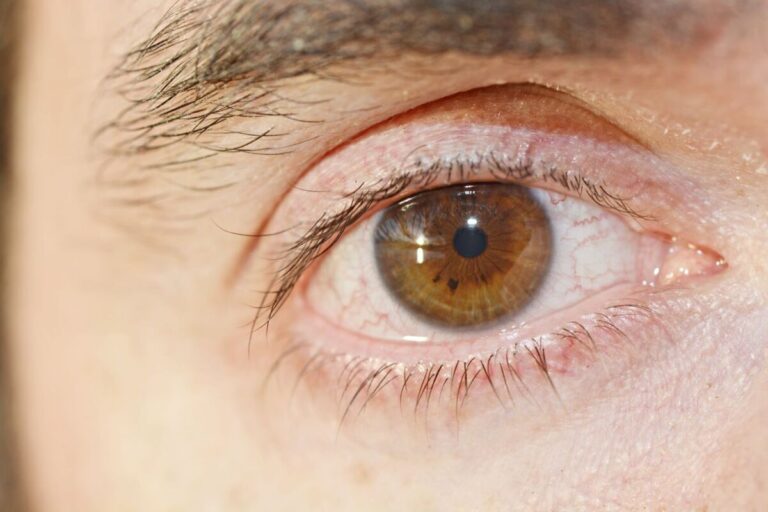

Optimizing Eye Comfort Through Natural Ways To Reduce Intraocular Friction And Heat

All Day Slimming Tea™ Herbal Routine
- Designed to gently support your body's natural metabolic rhythm throughout the day
- Helps maintain consistent daily vitality and steady physical balance
- Manufactured in a cGMP-compliant facility without relying on heavy coffee or synthetic stimulants
Many people deal with the sensation of grit or excessive warmth behind their eyelids after long days of screen work. This persistent irritation often stems from environmental stressors and the subtle physical strain placed on ocular surfaces throughout the day. Addressing these factors requires a consistent approach to ocular hygiene and environmental management.
Natural ways to reduce intraocular friction and heat involve regulating the tear film quality and minimizing mechanical stress on the lids. Establishing routines that support moisture retention helps prevent the physical wear that leads to redness and discomfort. Simple adjustments to daily habits often yield the most significant improvements in subjective comfort levels.
To reduce eye friction and heat, prioritize consistent blinking, maintain optimal room humidity, and use warm compresses to support healthy oil gland function. These methods stabilize the tear film and protect the ocular surface from environmental dryness. Implementing these shifts regularly helps minimize the physical irritation often associated with modern visual demands.
Key Takeaways
- Blink frequency: Research indicates that blink rates often drop by 60 percent during screen use, leading to increased evaporation.
- Tear film stability: Studies from the National Eye Institute show that moisture retention is essential for preventing corneal surface abrasion.
- Environmental humidity: Maintaining indoor air moisture between 40 and 60 percent helps mitigate tear film thinning and subsequent surface irritation.
Implementing Simple Daily Habits To Reduce Intraocular Friction And Heat
The eyes require a stable environment to function without discomfort. Friction occurs when the protective lipid layer of the tear film degrades, leaving the eye surface vulnerable during every blink.
- Practice conscious blinking: Set a timer to ensure full lid closure every few minutes to stimulate the Meibomian glands.
- Apply targeted warmth: Use a clean, warm washcloth over closed eyelids for five minutes each evening to soften solidified oils.
- Manage screen placement: Position monitors slightly below eye level to reduce the eyelid aperture, which slows tear evaporation.
- Prioritize hydration: Drink adequate water throughout the day to support overall mucosal health, including the conjunctiva.
- Control air flow: Avoid direct contact with fans or air conditioning vents that strip moisture from the ocular surface.
Comparing Environmental Impact Factors
| Factor | High Risk State | Optimal Range |
|---|---|---|
| Screen Level | Above Eye Plane | Below Eye Plane |
| Room Humidity | Below 30 Percent | 40 To 60 Percent |
| Blink Count | Low Frequency | Consistent Repetition |
Evaluating The Role Of Environmental Moisture
Dry air acts as a catalyst for friction by accelerating the evaporation of the tear film. When the protective barrier thins, the eyelid rubs against the cornea with higher resistance. Scientific reports found at the Centers for Disease Control highlight how workplace air quality directly influences ocular surface integrity.
Using a room humidifier during winter months or in arid climates provides a passive method to protect the eyes. This simple change maintains the equilibrium of the moisture layer without requiring constant intervention. Proper air management remains a cornerstone of preventing irritation before it begins.
Practical Demonstration Of Proper Lid Care
Effective lid care focuses on clearing the debris that contributes to mechanical friction. A consistent routine prevents the accumulation of natural oils that have become stagnant. Information provided by the National Library of Medicine emphasizes the importance of hygiene for maintaining ocular surface comfort.
To demonstrate a gentle routine, start with a warm, damp cloth and hold it against the closed lids using light pressure. Gently massage in a circular motion to encourage the release of oils from the gland openings. Finish by wiping the lashes toward the nose to clear away any residual particles that might cause scratching during movement.
Frequently Asked Questions
How does blinking frequency change when looking at a digital screen?
The human brain naturally decreases blink frequency when concentrating on high contrast digital imagery. This reduction often results in incomplete blinks where the eyelid does not fully clear the ocular surface, leaving the lower portion of the eye exposed to air.
Over several hours, this pattern depletes the natural tear layer and triggers a cycle of dryness. Consciously forcing a full blink helps restore the lipid layer that prevents direct surface friction.
Can room temperature influence the sensation of heat behind the eyes?
Elevated ambient temperatures or direct heat sources can cause the natural oils in the eyelid glands to thin or evaporate faster than normal. When these oils change consistency, they fail to provide the necessary lubrication required for smooth eyelid movement.
This physical change often manifests as a burning or warm sensation on the surface of the eye. Keeping the immediate environment cool helps maintain the viscosity of these vital protective oils.
What is the benefit of using warm compresses in the evening?
Warm compresses serve to liquefy the stagnant lipids that frequently block the oil glands located in the eyelids. Regular evening application ensures these glands remain functional and ready to secrete fresh lipids during the next day.
This process is foundational for anyone looking to reduce daily mechanical irritation. It prepares the ocular surface to handle the rigors of modern visual focus by reinforcing its primary defense mechanism.
Does drinking water affect the quality of eye lubrication?
Systemic hydration is necessary for the production of all bodily mucosal secretions, including tears. While drinking water does not directly replace missing lipids, it supports the aqueous portion of the tear film.
Maintaining a baseline level of hydration prevents the eyes from becoming overly sensitized to external friction. It acts as a preventative measure for those experiencing chronic surface dryness.
Are there specific screen positions that reduce eyelid strain?
Positioning a screen so that the top of the monitor is at or slightly below eye level is ideal. This angle forces the eyelid to cover more of the ocular surface, which naturally reduces the area exposed to evaporation.
Most individuals find this adjustment immediately improves their comfort during prolonged reading or typing sessions. It is one of the most effective ways to lower the physical workload on the eye muscles.
The Bottom Line
Reducing friction and heat in the eyes relies on stabilizing the tear film through consistent habits and smart environmental choices. By prioritizing blink frequency, humidity control, and gentle lid hygiene, individuals can protect their ocular surface from daily stressors.
Start by adjusting the position of your primary screen today to ensure a downward gaze, which naturally supports better eyelid closure and moisture retention. Consult a licensed healthcare provider before starting any new wellness routine.
This guidance is for educational purposes only. Never stop or change any medication without consulting the provider who recommended it.
Get Your FREE Natural Health Guide!
Subscribe now and receive our exclusive ebook packed with natural health tips, practical wellness advice, and easy lifestyle changes, delivered straight to your inbox.