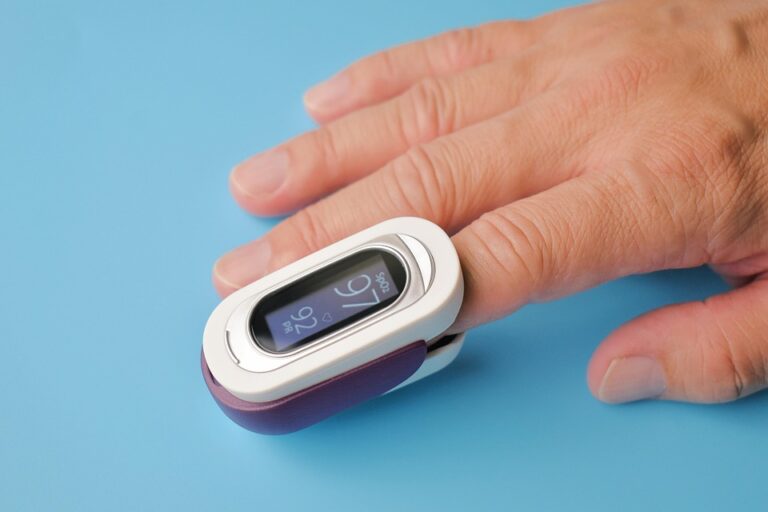

The Connection Between Sleep Apnea And Chronic ED Outcomes
Many people find themselves waking up with a sense of lingering fatigue that refuses to lift. This exhaustion often bleeds into various aspects of life beyond the bedroom. Researchers note that the link between sleep apnea and chronic ED often stems from systemic physiological stressors rather than isolated occurrences.
Disrupted breathing patterns throughout the night deprive the body of vital oxygen cycles. This lack of restorative rest forces the cardiovascular system to operate under constant pressure. These internal shifts frequently manifest as challenges with physical intimacy and stamina.
The link between sleep apnea and chronic ED exists because oxygen deprivation and fragmented sleep cycles impair blood flow regulation and hormonal balance. When the body remains in a constant state of fight or flight, it shifts resources away from non-essential functions. Correcting sleep hygiene often serves as a foundational step for restoring physiological equilibrium.
Key Takeaways
- Oxygen Saturation: Studies indicate that individuals with severe sleep breathing issues may experience a 40 percent higher likelihood of sexual function concerns.
- Hormonal Impact: Research from the National Institutes of Health demonstrates that intermittent hypoxia lowers nighttime testosterone production.
- Vascular Health: Impaired sleep cycles correlate with markers of endothelial dysfunction, which directly influences the vascular capacity required for arousal.
Physiological Factors Affecting Vascular Integrity
Sleep disruption triggers a cascade of inflammatory responses within the body. These responses impact the delicate lining of blood vessels known as the endothelium. Healthy endothelial function relies on consistent rest cycles to repair cellular damage.
When breathing repeatedly stops during the night, the heart rate fluctuates rapidly. This puts strain on the vessels responsible for maintaining peripheral circulation. Over time, these vessels may lose their elasticity and responsiveness to natural stimuli.
Stable, consistent breathing patterns allow the body to manage stress hormones like cortisol. Elevated cortisol levels are known to suppress the production of reproductive hormones. Balancing these internal markers remains a central theme in modern wellness discussions.
| Factor | Impact Level | Recovery Focus |
| Blood Oxygen | High | Airway Support |
| Cortisol Output | Moderate | Stress Reduction |
| Vascular Tone | High | Circulatory Flow |
Recognizing Patterns Through Daily Observation
Individuals can track their own energy levels to identify potential disruptions during the night. A simple log helps clarify whether morning fatigue aligns with difficulty in maintaining physical function. This awareness creates a framework for discussing concerns with a professional.
Step One: Record the quality of sleep for fourteen consecutive days. Note instances of snoring or waking up gasping for air.
Step Two: Monitor morning energy levels against personal baseline performance. Consistent morning lethargy often indicates that the body did not complete necessary repair cycles.
Step Three: Use educational materials from the National Library of Medicine to understand how nighttime oxygen levels influence daily energy. Comparing personal notes against this data can provide clarity regarding next steps.
The Role Of Metabolic Balance
Metabolic health provides the fuel required for every system in the body to operate. Poor sleep quality frequently disrupts insulin sensitivity and glucose management. These disruptions impact nerve health and long-term vascular strength.
Inflammation acts as a silent barrier to recovery for many. Reducing dietary intake of processed sugars can lower systemic inflammation over time. Focusing on nutrient-dense whole foods supports the body during the repair process.
Guidance from the Centers for Disease Control highlights the importance of regular sleep duration for maintaining metabolic stability. Consistent habits facilitate hormonal regulation across all populations. Prioritizing this cycle helps the body maintain its natural rhythms.
Frequently Asked Questions
How does fragmented sleep affect the hormones necessary for sexual function?
Fragmented sleep interrupts the crucial REM stages where the body performs the bulk of its hormonal replenishment. During these deeper stages, the endocrine system produces and regulates key hormones that support libido and reproductive health. When these cycles are broken, production levels often decrease, leading to noticeable shifts in physical performance.
Consistent, deep rest allows for a reset of the hypothalamic pituitary axis which governs these pathways. Without this duration, the body remains in a state of hormonal deficiency. Restoring the quality of rest serves as a natural way to support hormonal production.
Are there specific habits that can help mitigate sleep apnea effects?
Adopting consistent sleeping positions, such as resting on one side rather than the back, often improves airway clearance. Maintaining a steady schedule for waking and sleeping further anchors the body’s internal clock. These environmental adjustments can influence the frequency of breathing interruptions throughout the night.
Avoiding heavy meals and stimulants late in the evening reduces the metabolic load during sleep. This practice allows the body to focus on structural repair and oxygen regulation. Implementing these changes systematically helps create a supportive foundation for rest.
Does cardiovascular health play a role in this condition?
Cardiovascular health and sexual function are inextricably linked through blood flow and vascular elasticity. Sleep apnea forces the heart to work harder, often leading to increased arterial stiffness over time. When arteries lose flexibility, they cannot expand effectively, which is a requirement for healthy function.
Improving cardiovascular endurance through movement supports the vascular network throughout the entire body. Healthy vessels ensure that circulation reaches all vital systems as needed. A stronger heart contributes directly to improved vascular response times.
Can weight management change the impact of sleep apnea?
Excess tissue around the neck area can physically obstruct the airway during sleep. Reducing this pressure often allows for easier breathing and deeper, more consistent rest. Many individuals find that even modest shifts in weight distribution lead to a marked reduction in breathing irregularities.
Weight management should focus on long-term sustainability rather than quick fixes. Incorporating balanced physical activity and fiber-rich nutrition supports metabolic health. These changes directly influence how well the airway stays open throughout the night.
When should an individual seek formal guidance for these concerns?
Seeking help is recommended if breathing disruptions persist or if they start interfering with daily life and personal relationships. Persistent fatigue, daytime sleepiness, and consistent difficulty with performance are clear signals that internal systems need support. Professional assessment can rule out underlying issues that require specialized attention.
Gathering evidence through personal logs can help provide a clear picture to a provider. Openly discussing these challenges ensures that potential underlying causes are addressed properly. Early communication prevents the escalation of symptoms over time.
The Bottom Line
Understanding the link between sleep apnea and chronic ED requires looking at the body as an interconnected system. Oxygen saturation and hormonal balance serve as the cornerstones of physical vitality. Restoring these through better sleep habits remains a priority for long-term health.
Focus on stabilizing your sleep environment tonight by maintaining a consistent bedtime and exploring side-sleeping techniques to support better airflow. Never stop or change any medication without consulting the provider who recommended it.
Individuals with severe respiratory conditions, heart concerns, or those currently on specialized medication should avoid self-managed routines. Consult a licensed healthcare provider before starting any new wellness routine.
Get Your FREE Natural Health Guide!
Subscribe now and receive our exclusive ebook packed with natural health tips, practical wellness advice, and easy lifestyle changes, delivered straight to your inbox.