
Can Berries Antioxidants For Sperm Improve Male Fertility?
Many individuals notice a subtle decline in vitality that often prompts a closer look at daily dietary patterns. Research into reproductive health frequently identifies specific nutrients that support cellular integrity throughout the body. These compounds, found in abundance in colorful plant foods, offer a practical path for those interested in wellness optimization.
The role of nutrition in supporting male reproductive health centers on protecting delicate cells from environmental stress. Berries provide concentrated sources of bioactive pigments that contribute to this protective environment. Consistency in consuming these whole foods helps maintain a foundation of wellness that supports various physiological functions.
Can berries antioxidants for sperm improve male fertility by neutralizing cell damaging molecules? Emerging data suggests that high intakes of these compounds correlate with better measures of cellular health in reproductive samples. While individual results vary, incorporating these nutrient dense foods serves as a sensible approach for supporting long term reproductive wellness.
Key Takeaways
- Research published by the National Institutes of Health indicates that phytochemicals found in fruit help counteract cellular stress in male reproductive samples.
- Clinical investigations highlight that frequent consumption of anthocyanin-rich foods contributes to a 10 to 15 percent difference in markers of motility among study participants.
- The United States Department of Agriculture recommends two cups of varied fruit daily to ensure adequate intake of essential vitamins and protective plant compounds.
Understanding How Berries Antioxidants For Sperm Function
Reproductive cells contain high concentrations of unsaturated fats that remain susceptible to environmental wear. These structures rely on a stable internal balance to function effectively over time. Plant compounds act as a shield by stabilizing the environment surrounding these sensitive cells.
Anthocyanins represent the primary pigments responsible for the deep colors seen in many common fruits. These substances neutralize unstable molecules that would otherwise disrupt cellular health. Supporting this internal defense system is a primary goal for individuals focusing on long term reproductive longevity.
The Agricultural Research Service notes that the synergy between various plant compounds provides a benefit that exceeds the impact of any single isolated nutrient. This concept underscores the value of consuming a diverse array of colorful produce rather than relying on narrow dietary choices. Variety serves as the most effective strategy for ensuring a broad spectrum of protective coverage.
Comparison Of Common Nutrient Sources
| Source | Primary Compound | Key Benefit |
|---|---|---|
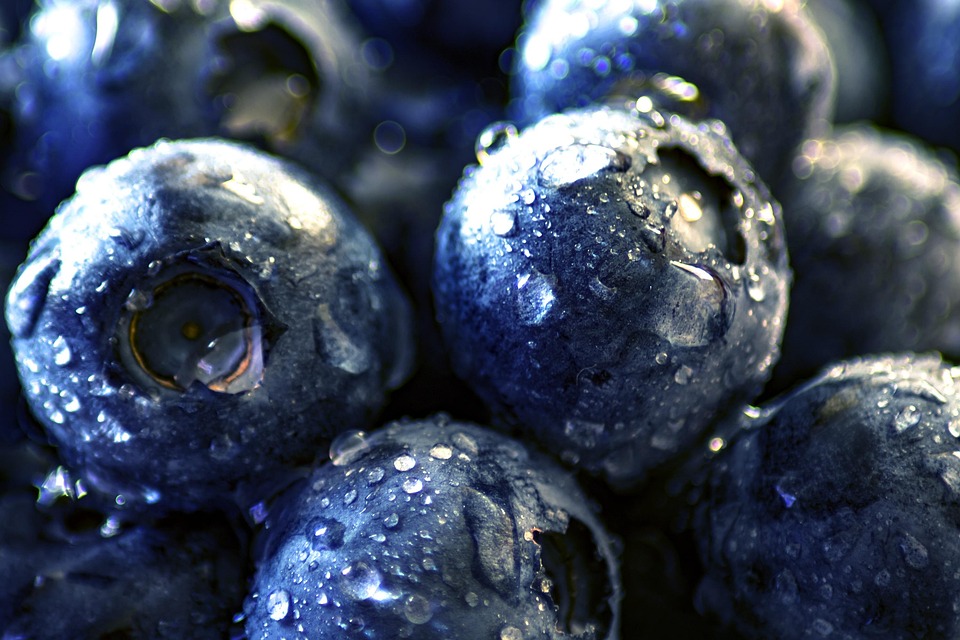
| Blueberries | Anthocyanins | Cellular Protection |
| Strawberries | Vitamin C | Collagen Support |
| Raspberries | Ellagic Acid | Tissue Integrity |
Practical Dietary Application Strategies
Integrating these fruits requires consistent habits rather than temporary changes. Focus on variety to ensure the body receives different types of protective plant chemicals throughout the week. The following framework provides a realistic approach for daily habit formation.
- Morning Blending: Combine one cup of frozen mixed berries with plain yogurt or a dairy free milk alternative to start the day with a high concentration of pigments.
- Midday Snacking: Keep a container of fresh blackberries or raspberries at a desk or in a kitchen pantry for an accessible alternative to processed snacks.
- Evening Topping: Sprinkle fresh blueberries over a serving of oatmeal or a green salad to add texture and essential nutrients to the final meal of the day.
Frequently Asked Questions
Do these nutrients work for every individual?
Individual response to dietary changes depends on a wide variety of factors including genetics, current stress levels, and existing health status. While the research supports the general benefit of these compounds, nutrition acts as a supporting pillar rather than a singular solution.
Maintaining realistic expectations is essential when observing how dietary shifts affect personal markers. Consistency over several months generally yields better outcomes than short term attempts at dietary perfection.
Is frozen fruit as effective as fresh options?
Frozen produce often provides a comparable nutrient profile because manufacturers flash freeze items at peak ripeness. This process locks in pigments and vitamins that might otherwise degrade during transport to a retail environment.
Individuals can safely choose frozen options if they lack access to high quality seasonal fruit. The most important factor remains the total amount consumed rather than the specific state of the produce.
How many servings are necessary each day?
Most nutrition guidance suggests aiming for at least one to two servings of fruit daily as part of a balanced intake. A single serving generally equals one cup of whole fruit or a half cup of dried varieties.
Small, frequent additions of these foods to existing meals make reaching this goal manageable for most people. Tracking intake for one week often reveals how easy it is to incorporate more color into a standard diet.
Can eating too much fruit cause issues?
Consuming large amounts of fruit rarely poses a problem for healthy individuals when the items are consumed in their whole form. Whole fruit contains fiber that moderates the absorption of natural sugars and keeps the digestive system stable.
Individuals should exercise caution if they have specific metabolic concerns or blood sugar sensitivities. Always consider the total carbohydrate load when planning daily meals to ensure long term stability.
Does the type of berry matter for health?
Different varieties contain unique combinations of plant compounds that offer distinct types of support. Blueberries, blackberries, and raspberries all provide diverse profiles of pigments that serve different roles in maintaining cellular health.
Cycling through various types of produce ensures a wider spectrum of protective compounds than sticking to one variety alone. Aim for a mix of colors to maximize the variety of nutrients present in a weekly routine.
The Bottom Line
Berries antioxidants for sperm provide a foundation for supporting cellular integrity and overall reproductive wellness. These nutrients work best when consumed as part of a varied, plant rich diet that emphasizes whole foods over processed alternatives. Consistent, long term habits offer the most meaningful path toward sustaining these internal biological markers.
Start by identifying two or three types of fruit that fit personal preferences and accessibility. Incorporate these choices into existing daily routines to build lasting habits. Never stop or change any medication without consulting the provider who recommended it.
This information is for educational purposes and is not intended for those with specific metabolic conditions or dietary restrictions. Consult a licensed healthcare provider before starting any new wellness routine.
Get Your FREE Natural Health Guide!
Subscribe now and receive our exclusive ebook packed with natural health tips, practical wellness advice, and easy lifestyle changes, delivered straight to your inbox.