
Understanding Why Do I Feel A Heavy Brick In My Stomach After Protein
My morning routine often involves a precise calculation of macronutrients to fuel my daily writing schedule. Recently, I noticed that consuming certain concentrated supplements left me with a persistent feeling of dense fullness. I started researching this sensation to determine if my internal chemistry was signaling a need for dietary adjustments.
Many individuals report a similar heavy sensation after finishing a shake or a dense meal. This feeling often stems from how the digestive system processes high volumes of macronutrients in a short duration. It creates a physical sensation of density that mimics the presence of a weight in the midsection.
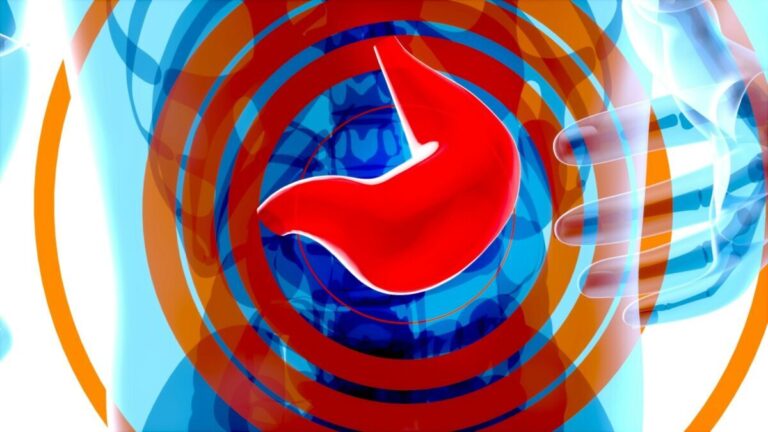
Why do I feel a heavy brick in my stomach after protein? This occurs because the stomach requires significant time and gastric acid to break down complex molecular bonds found in concentrated powders or large portions of meat. When consumption happens too quickly, the digestive pace slows, leading to a lingering feeling of mass in the upper abdomen.
Key Takeaways
- Stomach acidity typically drops by approximately 20 percent when excessive liquid volume is consumed rapidly.
- Protein digestion triggers the release of cholecystokinin which slows gastric emptying by 30 to 40 percent in some individuals.
- The average human stomach capacity ranges between 1 and 1.5 liters, and exceeding this volume causes internal pressure.
The Mechanics Of Gastric Digestion
The stomach works through a process of physical churning and chemical breakdown. When you consume large amounts of concentrated amino acids, the environment within the stomach must adjust its chemical balance to accommodate the load. This process takes energy and creates a physical state of fullness that lasts until the chyme moves into the small intestine.
Research from the National Institute of Diabetes suggests that the speed at which the stomach empties depends heavily on the concentration of the contents. Dense meals stay in the stomach longer than liquid ones. This is the primary reason why shakes that are too thick cause such a noticeable drag on digestion.
The body sends signals to the brain during this phase. Feeling heavy is often a byproduct of the vagus nerve responding to the stretch of the stomach walls. You are sensing the natural work of your organs as they manage the intake volume you provided.
Calculating Your Digestive Capacity
You can manage this sensation by balancing the volume of your intake. If you find yourself struggling with the heavy brick feeling, consider the ratio of liquid to solid weight. A simple way to determine if you are overtaxing your stomach is to look at your total intake per session.
Follow this calculation to monitor your personal limit:
- Measure Volume: Record the total ounces of liquid or grams of food consumed.
- Track Time: Note how long it takes to finish the portion.
- Evaluate Sensation: Rate your internal heaviness on a scale of one to ten.
If you consume more than 500 milliliters in under five minutes, the likelihood of feeling heavy increases. The stomach needs to process these items at a steady rate to remain comfortable. Smaller, frequent portions ensure that the digestive acids maintain high efficiency throughout the day.
| Food Source | Digestion Speed | Heaviness Potential |
|---|---|---|
| Whey Isolate | Very Fast | Low |
| Casein Powder | Slow | Moderate |
| Lean Beef | Moderate | High |
Strategies For Easier Digestion
Changes to how you eat can make a significant difference. Many people find success by sipping their drinks over twenty minutes rather than gulping them. This gives the stomach time to prepare and process the material without becoming overwhelmed by the sudden influx of mass.
The National Library of Medicine provides resources on how hydration supports the processing of macronutrients. Drinking water alongside your meal can help thin out the density of the food. It creates a better environment for the enzymes to work efficiently on the proteins.
Consider the temperature of your food or drink as well. Extremely cold items can cause a brief pause in the movement of the stomach muscles. Room temperature options are often easier for the system to handle when you are prone to feeling sluggish after eating.
Addressing Potential Nutrient Sensitivity
Some individuals react to specific types of supplements rather than the protein itself. For example, dairy based powders often contain lactose. If your body struggles with this sugar, the resulting fermentation in the gut causes a feeling of fullness and pressure.
Common additives like thickeners or gums can also cause issues. Ingredients like guar gum or xanthan gum are used to improve texture in shakes. They can hold water in the stomach and lead to that heavy feeling you describe.
Check the label of your current supplement. Look for simpler ingredient lists with fewer fillers. Transitioning to a product with only one or two ingredients often clears up the discomfort for many people in our community.
The Role Of Enzyme Activity
Your body produces specific enzymes to handle different food groups. If you are not accustomed to a high amount of protein, your body may need time to adapt. Increasing your intake gradually over several weeks allows your system to increase its enzyme production naturally.
Studies found at the National Center for Biotechnology Information detail how the gut microbiome shifts based on the types of food consumed regularly. Consistency is key when it comes to digestive comfort. Your internal environment adapts to the regular stress you apply to it.
Do not rush the process by doubling your intake overnight. Small, incremental changes are better for long term success. You will notice that the heavy sensation fades as your body becomes efficient at breaking down the higher intake of nutrients.
Frequently Asked Questions
Can the speed of eating influence the weight in my stomach?
The speed of eating is perhaps the most significant factor in how heavy you feel. When you consume food rapidly, your stomach receives a large volume of mass all at once, which triggers a stretch response in the organ walls.
Slowing your pace allows the stomach to initiate the mechanical breakdown process before more food arrives. This staggered entry keeps the total internal pressure lower and prevents the feeling of an immovable object resting in your midsection.
Are liquid forms of nutrition harder to digest than whole foods?
Liquid supplements are actually easier to digest in terms of chemical breakdown, but they are often consumed much faster than whole food meals. Because they pass through the mouth without chewing, the digestive process in the stomach starts without the benefit of salivary enzymes working on the initial particles.
Whole foods require chewing, which signals the stomach to prepare its acid production. This head start allows for a more controlled transition into the digestion phase. If you choose to use liquids, sip them slowly to mimic the natural rhythm of eating a full meal.
What ingredients in protein supplements cause stomach heaviness?
Many supplements contain gums, sweeteners, or dairy sugars that are difficult for some individuals to break down. These additives pull water into the intestines or undergo gas producing fermentation, which creates the sensation of pressure and fullness.
Choosing a supplement with a shorter ingredient list can often resolve this issue. If you continue to feel heavy, try switching to a different source like pea or soy to see if your sensitivity is linked to the base ingredient itself.
Does drinking water during a protein meal help or hurt?
Drinking a moderate amount of water during a meal can assist the stomach in thinning out the mixture of nutrients. This process makes it easier for gastric enzymes to coat the protein and break it down into smaller components.
However, drinking excessive amounts of water can dilute your digestive juices and make the stomach feel overly distended. Aim for a small glass rather than a large bottle to find the right balance for your personal digestion comfort.
How long should this heavy feeling last after a meal?
A mild sense of fullness is normal after any substantial meal and should start to subside within thirty to sixty minutes. If the sensation remains intense for several hours, it may indicate that your current portion size is exceeding your digestive capacity.
You can manage this by reducing your serving size by twenty percent for a few days. Observe how your body responds to the smaller load, and gradually adjust until you find a portion that provides fuel without the heavy aftermath.
The Bottom Line
Managing why do I feel a heavy brick in my stomach after protein comes down to adjusting your pace and portions. Your body responds to the volume and chemical composition of what you consume. Most people find relief by slowing their intake or switching to a simpler formula.
Focus on consistent habits rather than massive shifts in your diet. Start by reducing your serving size by one scoop or one ounce to see if the sensation disappears. Consult a licensed healthcare provider before starting any new wellness routine.
Note: This guidance is for educational purposes only. Never stop or change any medication without consulting the provider who recommended it.
Get Your FREE Natural Health Guide!
Subscribe now and receive our exclusive ebook packed with natural health tips, practical wellness advice, and easy lifestyle changes, delivered straight to your inbox.