
Why Almonds For Blood Sugar Snack Are A Steady Choice
We often wake up feeling a midmorning slump that leaves our energy levels flat and our focus scattered. It feels like a common hurdle when the morning meal lacks enough staying power to sustain us until the next break. Finding a reliable way to keep our internal fire burning evenly requires looking at how different foods impact our internal chemistry throughout the day.
Many of us reach for quick options that spike our energy and then drop us just as fast. This pattern creates a cycle of hunger and fatigue that hinders productivity and general well-being. Choosing dense, whole plant foods can shift this dynamic by providing a slow release of fuel rather than a sudden surge.
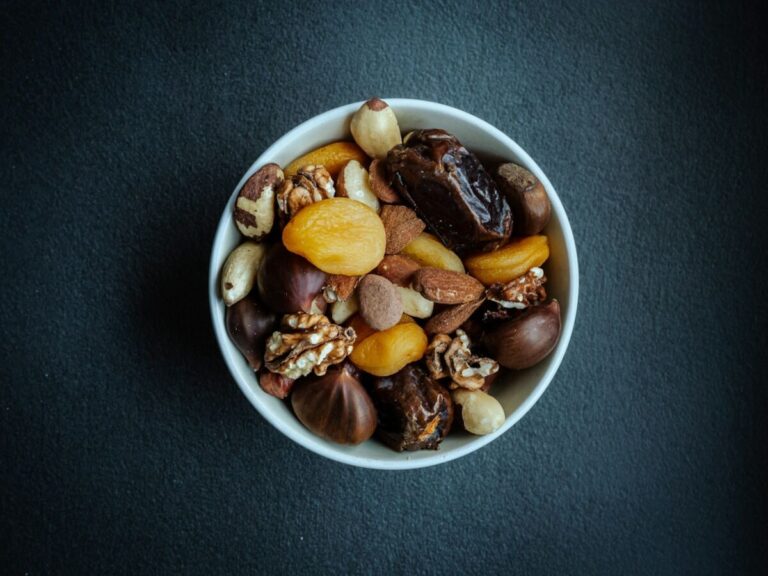
Almonds for blood sugar snack habits work well because they contain healthy fats, fiber, and protein. These components slow down the absorption of carbohydrates, which helps maintain a steady baseline of energy for the body. Eating a small portion between meals prevents the sharp spikes often linked to processed snacks.
Key Takeaways
- Studies show that consuming 40 to 60 grams of tree nuts daily supports stable glucose responses after meals.
- The fiber content in these nuts slows gastric emptying, which helps prevent rapid shifts in circulating glucose levels.
- Research from the National Institute of Diabetes indicates that managing fiber intake helps regulate metabolic health over the long term.
Nutritional Composition Of Blood-Sugar-Friendly Snacks
Understanding why specific items work requires a look at their makeup. Most people focus only on carbohydrates, but the ratio of macronutrients tells the real story. A balanced snack needs enough fat and fiber to buffer the digestive process.
Plant-based fats play a central role in metabolic pacing. When we include fats in a snack, we delay the arrival of sugars into the bloodstream. This creates a gentle slope instead of a steep climb in glucose readings.
Research from the National Library of Medicine explains that fiber slows down the speed at which the body breaks down starches. This effect keeps us full longer and avoids the immediate need for more calories. The physical structure of a whole nut provides natural resistance during digestion.
| Nutrient Type | Primary Function | Effect on Glucose |
| Dietary Fiber | Slows Digestion | Promotes Stability |
| Healthy Fats | Satiety Signals | Reduces Spikes |
| Plant Protein | Muscle Support | Sustains Energy |
Scientific Evidence Supporting Stable Glucose
The interaction between specific food groups and our biological markers is well-documented. Scientists often look at how nuts influence the way our bodies manage post-meal chemistry. Adding them to a high-carbohydrate meal often reduces the overall impact on our systems.
Data from the Centers for Disease Control highlights that food choices are central to maintaining metabolic harmony. By choosing low-glycemic options, individuals can support their natural systems more effectively. This proactive approach relies on consistent, nutrient-dense habits.
Practical Examples For Daily Fueling
Structuring a snack around plant fats requires a bit of planning. You want to aim for portions that provide satiety without overloading your calorie intake. Here are three ways to organize your portions:
- The Measured Portion: Use a small bowl to hold exactly one quarter cup of raw nuts to prevent mindless grazing.
- The Pair Strategy: Combine your nut portion with a small piece of fruit like berries to add water content and vitamins.
- The Salt Balance: Choose raw or dry-roasted varieties to avoid unnecessary sodium additives that can cause fluid retention.
The Math Of Metabolic Pacing
We can look at a simple calculation to understand how snacks affect our internal baseline. If you eat a snack consisting of 50 grams of refined flour, your glucose response is likely rapid and sharp. If you swap that for 30 grams of nuts plus a small apple, the response curve changes.
The calculation relies on the Glycemic Load, which factors in both the type of carbohydrate and the total amount. A serving of nuts has a Glycemic Load near zero. Adding this to a meal lowers the average Glycemic Load of that entire intake session. This helps keep the overall spike well below the threshold that triggers excessive insulin release.
Common Pitfalls In Snack Selection
Many items labeled as healthy contain hidden sugars that defeat the purpose of a snack. Granola bars, for instance, often hide syrups and sweeteners behind a facade of oats and grains. Reading labels is necessary to identify added sugars or inflammatory oils.
Avoid options that rely on refined flours or high-fructose corn syrup. These ingredients behave like simple sugars regardless of the healthy branding on the box. Focus on single-ingredient items whenever possible to stay on the right track.
Incorporating Healthy Fats Into A Routine
Change happens through small, repeated actions. If you currently rely on processed crackers, try swapping them for nuts for three days. Observe how your energy holds up around the three o’clock hour.
Keep raw nuts in your bag or desk for easy access. Having a prepared option makes it less likely you will choose a less supportive snack when hunger strikes. Consistency is the foundation of any long-term shift in health habits.
Frequently Asked Questions
Can I eat nuts if I have specific dietary restrictions?
Most individuals find that nuts are versatile enough for many different eating styles. If you deal with specific digestive sensitivities, it is often helpful to soak or sprout your nuts to improve their digestibility before consumption.
Always check with your primary provider if you have a history of allergies or specific metabolic conditions. They can provide guidance on whether adding new food types fits into your current dietary plan based on your unique health history.
How many nuts should I consume per day?
Most wellness data suggests that a standard portion is about one ounce or roughly one small handful. This provides enough energy and nutrient density to carry you through to your next meal without providing an excess of calories.
Focusing on the quality of your entire day matters more than a single serving. Distribute your intake during the times of day when you typically feel the most fatigue or hunger. Monitor your energy levels to see if this amount works for your specific activity level.
Do roasted nuts work as well as raw nuts?
Raw nuts are generally preferred because they avoid the high-heat processing that can damage delicate oils. If you prefer roasted nuts, ensure they are dry-roasted rather than cooked in vegetable oils or coated in sugary glazes.
High-heat roasting can sometimes reduce the antioxidant content found in the skin of the nut. If you choose roasted versions, look for simple, salt-free options to keep the nutritional profile as clean as possible. This ensures you receive the benefits of the healthy fats without extra additives.
Should I worry about the calorie content of nuts?
While nuts are energy-dense, they are also highly satiating. This means you are naturally inclined to eat fewer of them than you would with refined, low-fiber snacks like chips or cookies.
The key is portion control rather than calorie counting. Because they are rich in healthy fats and protein, they send stronger signals of fullness to the brain. This helps you manage your intake without needing to track every single calorie.
What is the best time to consume a snack?
The optimal time for a snack is usually midmorning or midafternoon when the body begins to signal a decline in fuel. Eating before you reach a state of extreme hunger prevents the tendency to overeat during your next main meal.
Listen to your internal cues rather than the clock. If you find your energy dipping significantly between meals, that is the most effective time to introduce a small, protein-rich snack. This prevents the energy crashes that often lead to poor food choices.
The Bottom Line
Choosing almonds for blood sugar snack goals provides a simple, evidence-based way to keep energy levels consistent. By prioritizing whole fats and fiber, you effectively buffer your glucose response and avoid the pitfalls of refined snacks.
Start by swapping your usual afternoon snack for one small portion of raw nuts this week. Observe how your focus and energy levels change as a result of this single change.
This information is for educational purposes and is not a substitute for professional medical advice. Individuals with chronic conditions or those taking medication should not stop or change any regimen without consulting the provider who recommended it. Consult a licensed healthcare provider before starting any new wellness routine.
Get Your FREE Natural Health Guide!
Subscribe now and receive our exclusive ebook packed with natural health tips, practical wellness advice, and easy lifestyle changes, delivered straight to your inbox.