
Understanding The Physiological Manifestations Of Signs Of Mitochondrial Stress In The Digestive Tract
I feel the rhythm of my morning coffee hit my system and notice how my energy levels shift throughout the day based on the fuel I provide my body. Many individuals struggle with low stamina or occasional discomfort without realizing the deep connection between cellular health and digestion. Digestion requires significant energy output to break down food, move nutrients across barriers, and support the local immune system.
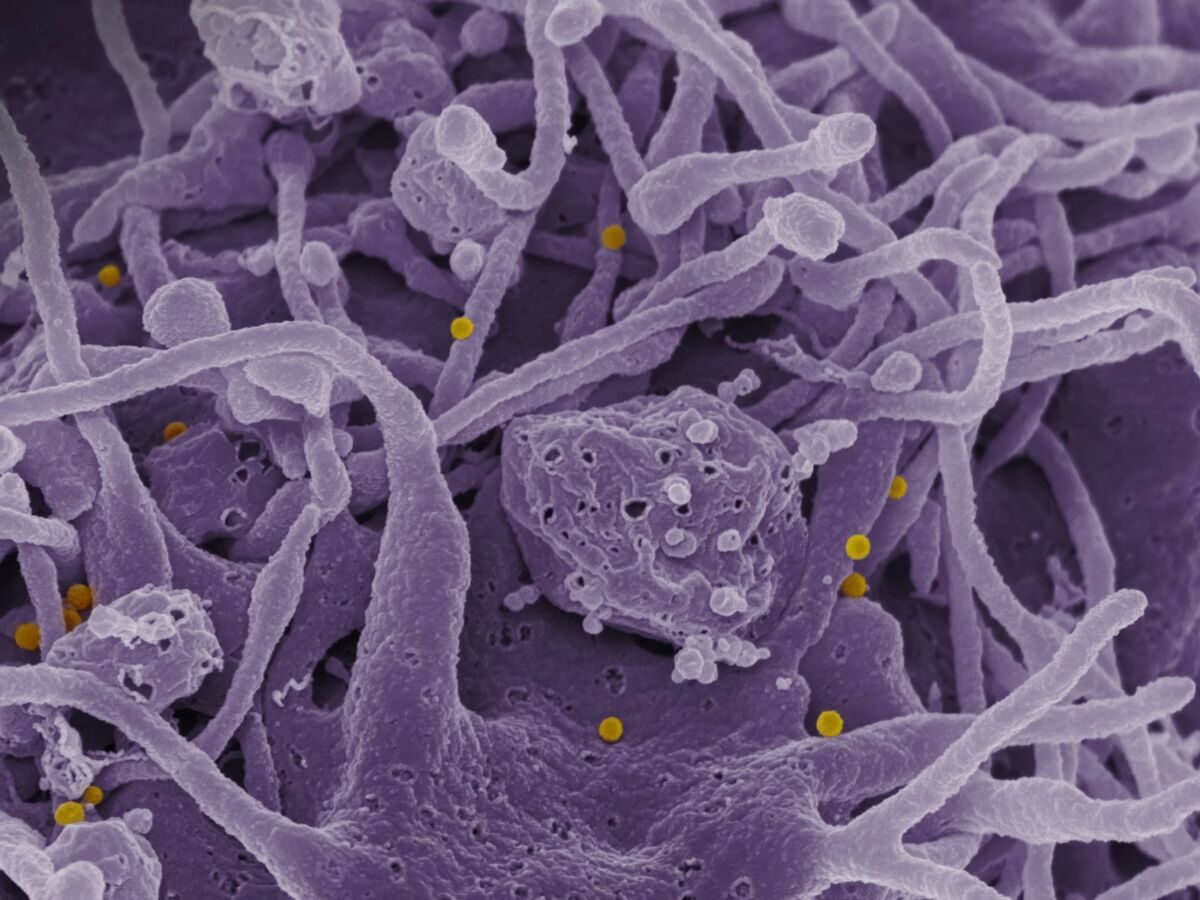
The tiny organelles within your intestinal cells work like power plants to keep these processes running smoothly. When these organelles falter, the entire system experiences a noticeable slump that impacts how you move and feel. This dynamic is a fundamental piece of human wellness that deserves closer attention.
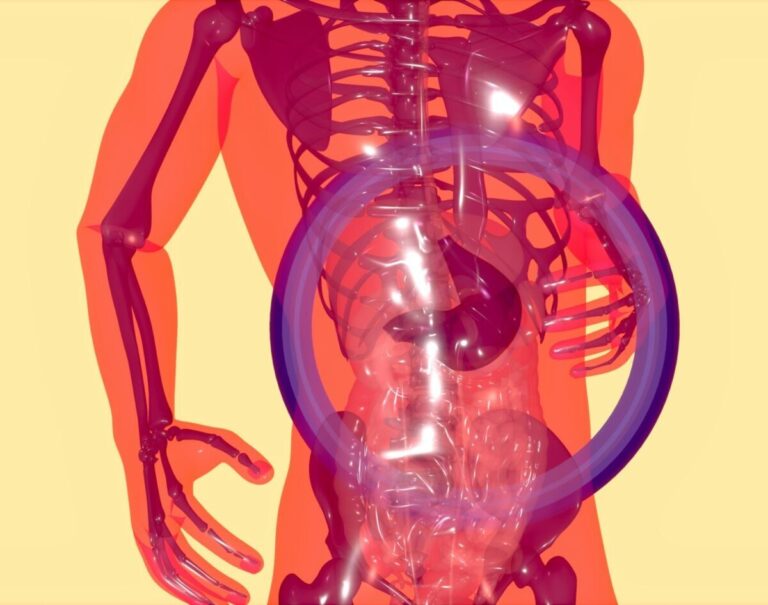
Signs of mitochondrial stress in the digestive tract often appear as persistent fatigue after meals, unexplained bloating, or a general sense of sluggishness in the gut. These indicators occur when cellular energy output fails to meet the high metabolic demand of the gastrointestinal lining. Addressing these issues usually involves supporting internal cellular efficiency through nutrient-dense choices and consistent habits.
Key Takeaways
- Mitochondrial dysfunction can reduce cellular ATP production by up to 30 percent during periods of high oxidative load.
- Intestinal epithelial cells renew every 3 to 5 days, requiring a constant supply of energy to maintain structural integrity.
- Data from the National Institutes of Health indicates that metabolic fluctuations are central to maintaining a healthy intestinal barrier.
Factors That Drive Cellular Energy Deficits
The health of your digestive lining depends on the continuous flow of energy produced within your cells. When this energy supply drops, the cells struggle to repair the tissue that interacts with your food intake. This creates a cycle where digestive efficiency decreases because the machinery itself lacks the power to function.
Several components contribute to this state of reduced efficiency. You can view these as the primary inputs required to keep your internal power plants running at full capacity:
- Coenzyme Q10 is a vital compound for electron transfer within the cell.
- Magnesium plays a supporting role in stabilizing the structural components of the organelle membrane.
- B Vitamins act as essential cofactors to convert macronutrients into usable energy for the cells lining the gut.
Research published by the National Institute of Diabetes and Digestive and Kidney Diseases confirms that nutrient absorption is heavily dependent on the health of the intestinal wall. Ensuring you consume a wide array of whole foods provides the raw materials needed for these processes to occur.
Quantifying The Impact Of Metabolic Efficiency
I often look at the math behind how we fuel our bodies to understand the tangible output of our wellness routines. If a cell requires a specific amount of energy to complete a repair cycle, a deficit in that energy leads to visible slowdowns in the digestive process. Consider this breakdown of how different inputs influence the cellular environment.
| Compound | Typical Function | Daily Goal |
|---|---|---|
| Magnesium | Supports muscle movement | 300 to 400 milligrams |
| CoQ10 | Assists energy transfer | 50 to 100 milligrams |
| B12 Vitamin | Regulates cell health | 2 to 4 micrograms |
This table illustrates the relationship between specific nutrients and the internal environment of your digestive system. Note how each element serves a distinct purpose in keeping the machinery moving. Tracking your intake against these general markers helps identify where your routine might need a adjustment.
How To Support Your Internal Power Plants
The strategy for maintaining high energy levels in the gut starts with food selection. You want to prioritize ingredients that provide clean fuel without placing unnecessary strain on the system. Complex carbohydrates, healthy fats, and high-quality protein work together to provide a steady release of energy.
Focus on these areas to support your cellular health throughout the week:
- Consistent Hydration ensures the smooth movement of materials through the digestive tract.
- Whole Foods provide the necessary micronutrients that fuel the processes within your intestinal cells.
- Balanced Meals avoid large spikes in demand on the digestive system by spreading energy requirements over the day.
The National Institute on Aging suggests that staying active and choosing nutrient-dense options supports long-term metabolic function. Small changes in how you eat often lead to improvements in how you feel after a meal. Always be patient as your body adapts to these new routines.
Demonstrating The Cost Of Cellular Stress
Imagine your intestinal cells are a series of small, efficient factories. Each factory requires 10 units of fuel to process a single unit of food and move it into the bloodstream. If your cells only produce 7 units of energy due to stress, you face a deficit of 3 units per cycle.
This gap eventually manifests as feelings of fatigue or discomfort. To calculate your own potential energy gap, you can track the time it takes to feel energized after a meal. A slow response often suggests that your cellular factories are running below their peak capacity.
By increasing your intake of leafy greens and seeds, you provide more magnesium to the cycle. This helps close the gap by supporting the efficiency of your internal workers. It is a simple math problem of inputs versus outputs.
Frequently Asked Questions
What are the most common early indicators of cellular fatigue in the gut?
Early indicators often present as a feeling of heaviness or lethargy shortly after eating. You might notice that certain foods which previously caused no reaction now lead to a feeling of sluggishness.
This sensation arises because the energy needed to process those specific items exceeds the current output capacity of the intestinal lining. Monitoring how you feel 30 to 60 minutes after a meal provides a clear window into your digestive energy levels.
How does physical activity influence the health of my digestive cells?
Physical movement encourages blood flow to the organs involved in digestion and waste removal. This increased circulation delivers more oxygen to the cells, which is a necessary component for efficient energy production.
Regular, low-intensity movement like walking acts as a signal to the body to maintain its metabolic readiness. This helps ensure that the cells lining your gut have the resources they need to perform their daily duties without becoming overwhelmed.
Can my sleep schedule affect my internal energy production?
Sleep is the primary window for the body to conduct maintenance and repair work on its cellular machinery. When you cut sleep short, you reduce the time available for these essential recovery processes.
Inadequate rest leads to a buildup of metabolic byproducts that can interfere with normal function the next day. Prioritizing a consistent sleep routine provides the necessary time for your cells to reset their energy reserves for the following morning.
Does the type of fat I consume impact my cellular efficiency?
Fat serves as a dense energy source that the body uses for many critical structural functions. Consuming high-quality fats from sources like olive oil or avocados provides the building blocks for the cell membranes that hold your energy-producing components.
A diet low in these healthy fats may leave your cells without the raw materials required to maintain a strong barrier. Incorporating a variety of plant-based fats ensures your cells remain resilient and capable of efficient operation.
Are there specific times of day when my gut is most vulnerable?
The gut is generally most vulnerable during periods of high stress or when you are eating while distracted. When your mind is focused on other tasks, the digestive system does not receive the priority it needs to function at its best.
Taking a few minutes to pause before a meal signals the body to prepare for the energy demands of digestion. This simple habit helps minimize the strain on your cells and encourages a more efficient breakdown of nutrients.
The Bottom Line
Maintaining energy at the cellular level is a quiet but critical component of your daily wellness. By understanding the signs of mitochondrial stress in the digestive tract, you can make better choices regarding your food and movement patterns.
Focus on simple, whole foods that support your natural rhythm and listen to how your body responds to your daily choices. Observe your energy levels throughout the week and adjust your habits to favor consistent, long-term efficiency.
The Trust Boundary: This information is for educational purposes only and should not replace guidance from a medical expert. Individuals with chronic health conditions should not follow this advice without supervision. Never stop or change any medication without consulting the provider who recommended it. Consult a licensed healthcare provider before starting any new wellness routine.
Get Your FREE Natural Health Guide!
Subscribe now and receive our exclusive ebook packed with natural health tips, practical wellness advice, and easy lifestyle changes, delivered straight to your inbox.