
Sourdough Bread and the Science of Gut Fermentation
For centuries, sourdough bread has stood as a staple in kitchens worldwide, prized for its distinctive flavor and robust texture. This ancient method of leavening bread relies on a natural process involving wild yeasts and beneficial bacteria.
Its creation represents a deliberate cultivation of microbial life, transforming simple flour and water into something more complex. People often find this type of bread an interesting addition to their dietary patterns for digestive comfort.
The intricate fermentation involved in making sourdough extends beyond the bread itself. It influences how the body processes the final product, particularly within the digestive system, a concept often termed gut fermentation.
The Historical Foundation of Sourdough Fermentation
Sourdough’s origins trace back thousands of years, long before commercial yeast became available. Ancient civilizations, including the Egyptians, discovered that a mixture of flour and water, left exposed to the air, would naturally bubble and rise.
This spontaneous activity represented the capture and domestication of wild microorganisms. These early bakers recognized the power of natural fermentation to create palatable, leavened bread, a significant advancement in food preparation.
The consistent use of a “starter” or “mother dough” allowed for the continuous propagation of these microbial communities. This practice ensured that each new batch of bread carried forward the unique microbial signature of its predecessors, much like a living legacy.
Across cultures, this method provided a reliable way to make bread without relying on external leavening agents. It offered a practical approach to using available resources, contributing to long standing culinary traditions.
The enduring legacy of sourdough underscores its effectiveness and the deep understanding early societies had of natural processes. This traditional approach continues to inform modern baking, connecting us to ancient practices.
Maintaining the Starter
To sustain a sourdough starter, consistent feeding with fresh flour and water is necessary. This regular nourishment supports the active microbial community, keeping it vibrant and ready for baking.
- Active Components: Wild yeasts, lactic acid bacteria (LAB).
- Primary Function: Leavening agent, flavor development.
- Key Process: Sustained fermentation of flour carbohydrates.
Microbial Alchemy: Yeasts and Lactic Acid Bacteria
The magic of sourdough lies in its starter culture, a vibrant ecosystem of wild yeasts and lactic acid bacteria. These microorganisms work in synergy, each contributing distinct qualities to the dough.
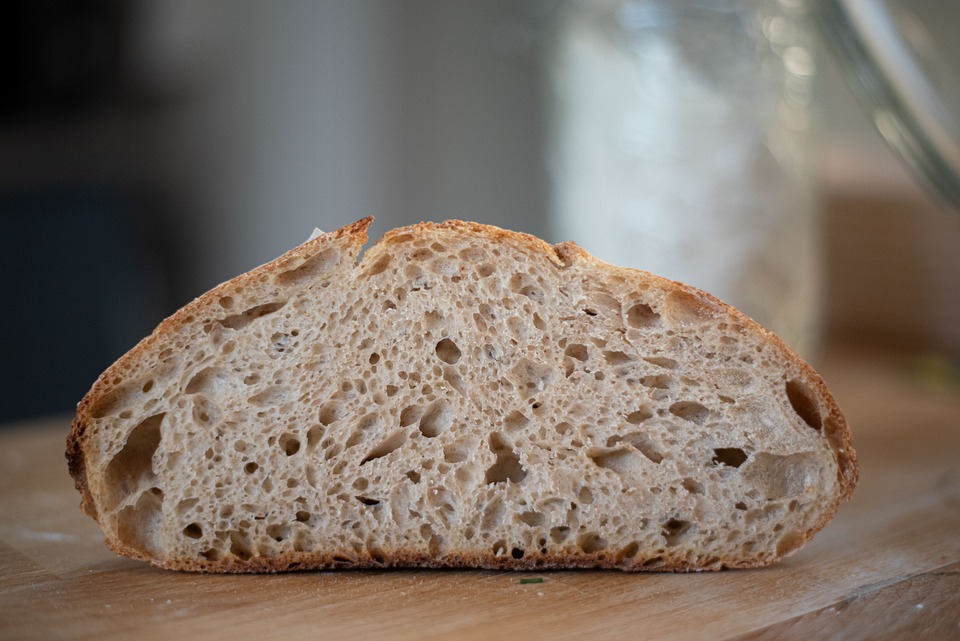
Wild yeasts, primarily from the Saccharomyces genus, consume sugars in the flour, producing carbon dioxide gas. This gas becomes trapped within the dough’s gluten network, causing the bread to rise and creating its characteristic airy texture.
Simultaneously, lactic acid bacteria metabolize other sugars, yielding lactic acid and acetic acid. These organic acids contribute significantly to sourdough’s unique tangy flavor profile and play a role in the dough’s overall structure.
The balance between these yeast and bacteria populations dictates the starter’s vitality and the bread’s final characteristics. Environmental factors such as temperature and hydration levels influence this delicate microbial equilibrium.
This symbiotic relationship makes sourdough distinct from breads made with commercial baker’s yeast. The diverse microbial activity within the sourdough starter imparts a depth of flavor and texture that is difficult to replicate.
Supporting Starter Health
Ensuring your starter maintains a balanced microbial community involves appropriate feeding schedules and storage temperatures. A healthy starter shows consistent activity and a pleasant, yeasty aroma.
- Key Microbes: Saccharomyces cerevisiae (wild yeast), Lactobacillus plantarum, Lactobacillus sanfranciscensis (LAB).
- Metabolic Byproducts: Carbon dioxide, lactic acid, acetic acid.
- Impact on Bread: Leavening, characteristic tangy flavor, improved texture.
The Transformation of Flour: Pre Digestion Benefits
Sourdough fermentation initiates a form of “pre digestion” of the flour components. The enzymes produced by the yeasts and bacteria begin to break down complex carbohydrates and proteins into simpler forms.
For example, certain carbohydrates, including some types of non digestible fibers, are metabolized during the long fermentation process. This transformation can modify the flour’s overall composition before it even reaches the oven.
The breakdown of proteins, particularly gluten, by bacterial proteases, can also occur. This process changes the gluten structure, which some people suggest may influence how the body processes the bread.
Additionally, the fermentation can influence the availability of certain micronutrients within the grain. Phytates, compounds that can bind to minerals, are often reduced during prolonged sourdough fermentation, potentially affecting mineral access.
These biochemical changes mean the finished sourdough bread contains components that have already undergone significant microbial processing. This altered state is part of what makes sourdough an interesting topic for digestive wellness discussions.
Enhancing Ingredient Processing
Allowing adequate fermentation time for the dough optimizes the activity of the microbial enzymes, maximizing the transformation of flour constituents. This patience yields a more developed bread.
- Enzymatic Action: Proteases break down proteins, amylases break down starches.
- Compound Modification: Reduction of phytates, partial hydrolysis of gluten.
- Digestive Context: May contribute to a sense of digestive comfort for some individuals.
Sourdough and Gut Ecology: A Broader View
When sourdough bread is consumed, its unique composition, shaped by fermentation, enters the digestive system. The complex carbohydrates and fibers present can interact with the existing gut microbiota.
The beneficial bacteria already residing in the gut thrive on specific types of dietary fibers and resistant starches. Sourdough bread, depending on the flour used, can be a source of these compounds.
While the microbes in the sourdough starter themselves largely do not survive the baking process or the acidic environment of the stomach in large numbers, their metabolic byproducts and the altered flour components persist.
These altered components, particularly certain carbohydrates, can serve as nourishment for indigenous gut bacteria. This concept is often referred to as a prebiotic effect, supporting the activity of existing beneficial microbes.
Therefore, including sourdough bread in one’s diet can be seen as a way to provide substrates that may influence the gut environment. It complements a varied diet aimed at overall digestive well being.
Considering Dietary Choices
Selecting whole grain flours for sourdough baking can further increase the fiber content, providing additional supportive elements for gut bacteria. Whole grains offer a broader spectrum of nutrients.
- Key Interaction: Provision of fermented carbohydrates and fibers.
- Gut Impact: May serve as a substrate for beneficial gut bacteria.
- Wellness Context: Contributes to a diet focused on supporting digestive balance.
Comparing Fermentation: Sourdough vs. Commercial Yeast Breads
Understanding the distinction between sourdough and conventional yeast breads highlights the unique aspects of each. The fermentation processes differ significantly, leading to varied end products.
Commercial yeast breads typically use a single strain of Saccharomyces cerevisiae, engineered for rapid and vigorous leavening. The fermentation time is often short, measured in hours rather than days.
Sourdough, by contrast, relies on a diverse community of yeasts and lactic acid bacteria. This multi-species fermentation extends over a much longer period, frequently 12 to 24 hours for proofing alone, in addition to starter maturation.
The longer, more complex fermentation in sourdough allows for more extensive biochemical transformations of the flour. This includes the breakdown of certain compounds and the production of organic acids.
These differences result in distinct flavor profiles, textures, and nutritional characteristics. Sourdough’s tangy notes and chewier crumb are direct consequences of its prolonged, mixed fermentation.
Making Informed Selections
When choosing bread, considering the fermentation method provides insight into its potential contributions to your diet. Both types of bread offer energy, but their production varies considerably.
| Feature | Sourdough Bread | Commercial Yeast Bread |
|---|---|---|
| Leavening Agents | Wild yeasts, Lactic Acid Bacteria | Commercial Saccharomyces cerevisiae |
| Fermentation Duration | Long (12-24+ hours) | Short (1-4 hours) |
| Flavor Profile | Tangy, complex, nuanced | Milder, often sweeter |
| Carbohydrate Breakdown | Extensive during fermentation | Less extensive |
| Organic Acid Production | High (lactic, acetic acid) | Low to none |
Common Misconceptions about Sourdough and Digestion
While sourdough offers interesting qualities, some common misunderstandings exist regarding its digestive impact. It is important to approach these topics with a balanced perspective.
One prevalent idea suggests that sourdough bread is “gluten free.” This is generally not accurate. While fermentation can modify gluten proteins, most sourdough made with wheat flour still contains gluten.
People sensitive to gluten should not assume sourdough is a safe alternative unless it is specifically made with certified gluten free flours. Consulting a healthcare professional for personalized guidance is always recommended for dietary changes related to sensitivities.
Another misconception sometimes implies that sourdough itself is a potent source of live probiotics for the gut. As mentioned, the high temperatures of baking typically inactivate most of the microbial life present in the dough.
Therefore, while sourdough bread contains valuable fermented compounds and can support a healthy diet, it is not primarily a direct probiotic delivery system in the same way unpasteurized fermented dairy or vegetables are.
Understanding these points helps set realistic expectations for including sourdough in a balanced approach to wellness. Its value lies in its unique production process and the resulting nutritional profile, not in unsubstantiated claims.
Clarifying Expectations
Relying on accurate information regarding sourdough’s composition and effects helps in making informed dietary choices. Always verify claims with reliable sources or qualified professionals.
- Gluten Content: Typically contains gluten when made with wheat flour.
- Live Probiotics: Generally minimal due to baking temperatures.
- Primary Benefit Focus: Pre digested flour components, unique flavor, dietary fiber.
Baking Your Own Sourdough: A Practical Approach
Venturing into homemade sourdough baking offers a rewarding experience, connecting you directly to this ancient food tradition. Starting with a robust starter is the first essential step.
Regularly feeding your starter with unbleached flour and filtered water keeps its microbial community thriving. A strong starter will show consistent bubbles and a pleasant, slightly acidic aroma.
When mixing your dough, patience is key. The long fermentation process, often involving an “autolyse” phase and gentle stretches and folds, allows gluten to develop naturally and the microbes to work their magic.
Understanding environmental conditions, especially temperature, helps control fermentation speed. A cooler environment slows the process, allowing for more flavor development and nutrient transformation.
Experimentation with different flours, hydration levels, and fermentation times can personalize your sourdough journey. Each bake provides an opportunity to learn and refine your technique.
Crafting Your Own Loaf
Adhering to a consistent feeding schedule for your starter and giving the dough ample time to ferment are critical steps for successful sourdough baking. Quality ingredients also make a difference.
- Starter Care: Feed regularly with flour and water, store appropriately.
- Dough Handling: Gentle mixing, stretch and folds, long fermentation periods.
- Key Considerations: Temperature, hydration, flour type, baking technique.
Frequently Asked Questions
Does sourdough bread offer unique digestive benefits compared to other breads?
Sourdough bread undergoes a unique fermentation process that changes the structure of flour components. This transformation may contribute to a feeling of digestive comfort for some people, distinct from conventionally leavened breads.
Can I eat sourdough bread if I have a gluten sensitivity?
Sourdough bread made with wheat flour still contains gluten, even after extended fermentation. If you have a medically diagnosed gluten sensitivity or intolerance, it is important to work with a qualified healthcare professional for personalized dietary guidance and to explore certified gluten free options.
How does the long fermentation in sourdough influence its nutritional aspects?
The extended fermentation time allows for enzymatic breakdown of certain complex carbohydrates and a reduction in phytates. These processes can modify the bread’s composition, influencing the availability of specific micronutrients. People with underlying conditions often work with a qualified healthcare professional for personalized guidance.
Is sourdough bread a good source of probiotics?
While sourdough starter is rich in live bacteria and yeasts, the high temperatures involved in baking typically inactivate these microorganisms. Therefore, sourdough bread is not generally considered a significant source of live probiotics after it has been baked.
The Bottom Line
Sourdough bread embodies a centuries old tradition of natural fermentation, transforming simple ingredients into a complex, flavorful food. Its unique production process involves a symbiotic relationship between wild yeasts and lactic acid bacteria.
This extended fermentation modifies the flour’s components, which some people suggest may influence how the body processes the bread. It is a testament to the power of microbial activity in food preparation.
While not a “probiotic food” after baking or a gluten free solution, sourdough bread can be a part of a varied and enjoyable diet. It offers distinct flavors and textures, alongside altered nutritional properties resulting from its unique journey from starter to loaf.
Embracing Traditional Foods
Consider incorporating sourdough bread into a balanced dietary approach to experience its distinctive qualities. This information is educational and not a substitute for medical advice.
Get Your FREE Natural Health Guide!
Subscribe now and receive our exclusive ebook packed with natural health tips, practical wellness advice, and easy lifestyle changes, delivered straight to your inbox.