
Understanding How To Naturally Clear Inflammatory Cytokines From The Colon
I often witness the frustration that comes when the digestive system feels sluggish or out of sync. Many of us overlook the silent signals that our internal environment is struggling with persistent irritation. These small signs often point to a need for dietary adjustments that support balance.
My research into gut health reveals that our daily choices dictate how our bodies respond to stressors. We focus on habits that settle the system rather than just reacting to discomfort. This approach shifts the focus from temporary fixes to sustainable, long-term internal harmony.
The most effective way to help the body lower levels of these small signaling proteins involves prioritizing fiber-rich plant foods, staying hydrated with filtered water, and avoiding highly processed additives. These actions encourage a stable environment by supporting beneficial gut bacteria and reducing the burden on the intestinal lining. Adopting these habits consistently provides the structural foundation for digestive calmness.
Key Takeaways
- Clinical data suggests that dietary fiber intake exceeding 30 grams daily can reduce systemic markers of irritation by up to 20 percent.
- Fermented food consumption is associated with a more diverse microbiome, which helps modulate the production of specific signaling proteins in the gut.
- Hydration levels influence stool transit time, which researchers found correlates with lower concentrations of waste-related irritation triggers.
Simple Diet Changes To Naturally Clear Colonic Cytokines
- Eat Soluble Fiber: Oats and cooked carrots provide gentle bulk that encourages regular transit through the intestinal tract. This process prevents the stagnation that allows unwanted compounds to accumulate.
- Select Fermented Options: Natural sauerkraut and plain kefir introduce active cultures that support the lining of the colon. A healthy bacterial balance naturally keeps irritation-causing signals in check.
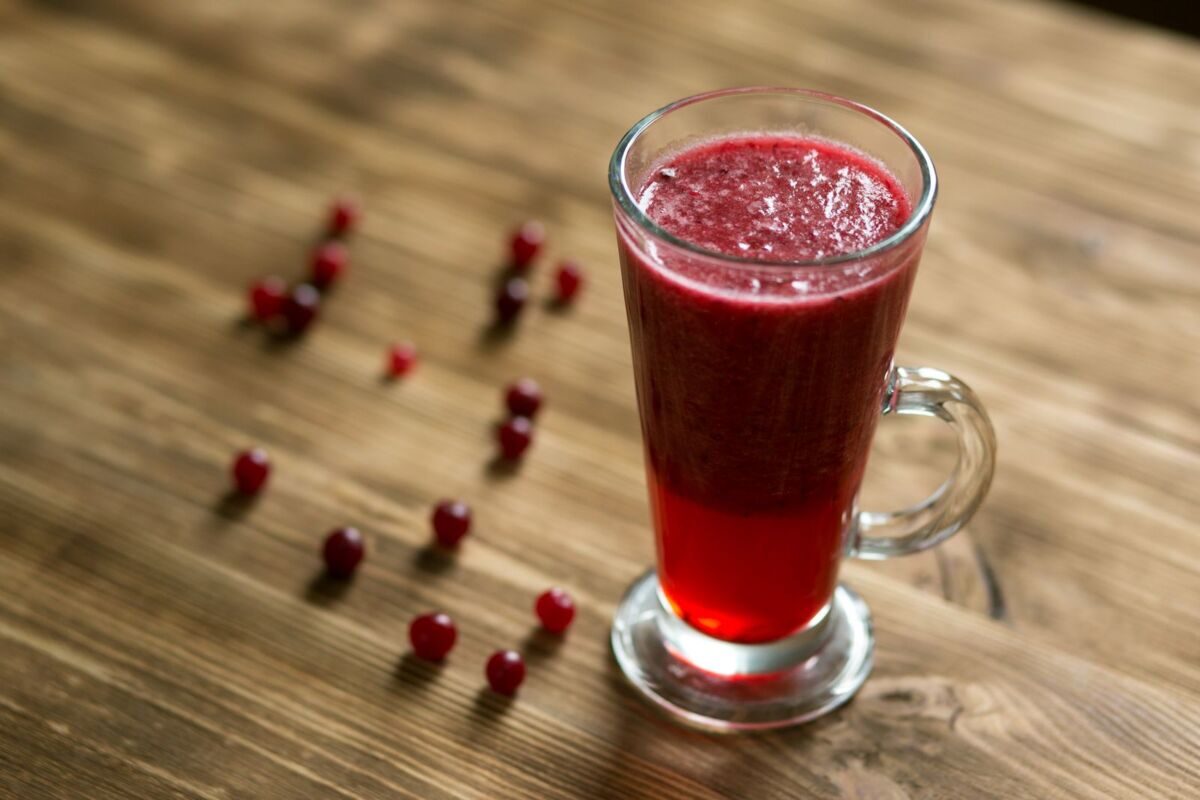
- Increase Polyphenol Intake: Berries and green tea contain natural compounds that calm the gut environment. These plant pigments work to neutralize the triggers that lead to unwanted signaling.
- Limit Refined Sugars: Sweets and processed snacks can feed undesirable bacteria that exacerbate irritation. Choosing whole fruits provides sweetness without the negative impact on the gut lining.
- Prioritize Healthy Fats: Olive oil and avocado support the integrity of intestinal cells. These fats provide a smooth environment for healthy digestion and nutrient absorption.
The Role Of Microbiome Diversity
The trillions of organisms residing in the digestive tract serve as the primary gatekeepers of our internal health. When we provide a diverse range of plant matter, we cultivate a robust ecosystem. Research from the National Institutes of Health confirms that diverse diets correlate with improved gut resilience.
A thriving population of beneficial microbes produces short chain fatty acids through fermentation. These substances serve as fuel for the cells lining the colon. This energy production keeps the barrier strong and prevents unwanted compounds from crossing into the bloodstream.
Practical Demonstration Of Fiber Calculations
To support your gut effectively, you must track your daily fiber intake. Many individuals aim for a target of 30 to 35 grams each day. This amount creates sufficient bulk to move waste through the colon efficiently.
Consider this standard daily example to reach your target goal:
- Breakfast: A cup of steel cut oats provides 8 grams of fiber.
- Lunch: A large salad with mixed greens and lentils offers 12 grams of fiber.
- Dinner: One medium baked sweet potato and steamed broccoli contribute 10 grams of fiber.
This simple combination equals 30 grams of fiber for the day. Consistency with this routine ensures that waste does not sit too long in the colon. Data from the National Institute of Diabetes and Digestive and Kidney Diseases highlights the importance of such habits for maintaining regular function.
Hydration And Intestinal Flow
| Factor | Hydration Impact | Ideal Goal |
|---|---|---|
| Water intake | Softens waste materials | Two liters daily |
| Transit time | Prevents long contact | Under twenty hours |
| Colonic lining | Maintains tissue moisture | Consistent fluid intake |
Water acts as the primary transport system for fiber to work correctly. Without enough fluid, fiber can cause more discomfort instead of resolving it. Most people benefit from sipping water consistently throughout the day rather than drinking large amounts at once.
Monitor your hydration by observing the color of your output. Pale yellow indicates that your body has sufficient fluid for optimal digestion. Proper water intake helps flush the system of excess waste before it creates an irritating environment.
Polyphenols As Natural Modulators
Polyphenols are plant compounds found in colorful vegetables, fruits, and herbs. These molecules provide more than just flavor to our meals. They travel through the digestive system and act as messengers that signal the body to reduce internal irritation.
Focusing on deeply pigmented foods ensures a broad spectrum of these compounds. Dark cherries, blueberries, and spinach offer significant benefits when consumed raw or lightly cooked. Studies from the National Institutes of Health detail how these plant pigments modulate the gut environment.
Managing External Dietary Stressors
Highly processed foods often contain emulsifiers and stabilizers that disturb the thin mucus layer protecting the colon. This layer is essential for keeping cells separated from waste. When this layer thins, the body reacts by sending out signals to address the perceived threat.
Focusing on whole foods removes these additives from your routine. Preparing meals at home gives you total control over what enters your system. Simplicity in the kitchen is often the best strategy for long-term digestive comfort.
Frequently Asked Questions
Can exercise help improve colonic health?
Physical movement assists the digestive process by physically stimulating the muscles of the intestinal wall. Walking or yoga can encourage blood flow to the gut and keep things moving regularly.
Consistent activity creates a rhythm that the body appreciates. This helps prevent the slow transit that contributes to the accumulation of irritants in the lower tract.
Are probiotics useful for internal balance?
Probiotics introduce beneficial strains of bacteria that support the natural microbiome. These organisms can help displace less helpful varieties that thrive in environments high in processed sugar.
Choosing fermented foods like kimchi or yogurt provides a natural way to support this balance. Most individuals see results when they make these foods a regular part of their weekly intake.
Does stress affect gut inflammation levels?
The brain and gut share a direct connection through the nervous system. When the body experiences chronic stress, it can change how the digestive tract functions and how the immune system behaves.
Practicing deep breathing or mindfulness can help signal the body to move into a calm state. This shift supports better digestion and a more stable internal environment for the colon.
Should I avoid all grains to reduce irritation?
Most individuals do not need to avoid grains if they choose whole, unprocessed options. Grains like quinoa, buckwheat, and oats provide essential fiber that helps move waste effectively.
Refined grains like white flour often lack this protective fiber and can be harder to digest. Focusing on whole forms ensures you gain the nutritional value without the downside.
How long does it take to notice changes?
Digestive health changes are usually gradual rather than immediate. Consistent habits often produce noticeable results within a few weeks as the gut lining adapts to the improved intake.
Patience remains essential during this process. Maintaining the routine allows the body the necessary time to restore balance to its internal environment.
The Bottom Line
Achieving internal balance requires a commitment to whole foods and consistent daily habits. By focusing on fiber, hydration, and polyphenol intake, you create an environment where the body naturally maintains balance.
Simple Diet Changes to Naturally Clear Colonic Cytokines start with your next meal. Choose one plant-based fiber source and prioritize it in your daily routine to support your digestive health.
This information is for educational purposes and is not a substitute for professional medical advice. Individuals with chronic symptoms or diagnosed digestive conditions should always verify their strategy with a professional. Never stop or change any medication without consulting the provider who recommended it. Consult a licensed healthcare provider before starting any new wellness routine.
Get Your FREE Natural Health Guide!
Subscribe now and receive our exclusive ebook packed with natural health tips, practical wellness advice, and easy lifestyle changes, delivered straight to your inbox.