Understanding The Signs Of Dht Related Hair Loss In Women
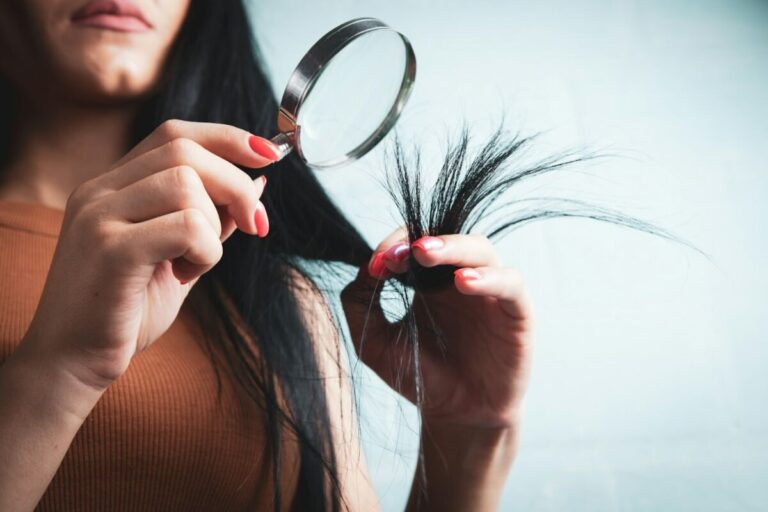
Many women notice their ponytail feels thinner as they enter their late thirties or mid forties. This thinning often arrives during periods of internal transition. It leaves people searching for answers about their scalp health.
Hair changes often relate to shifting internal markers rather than external habits. Hormones dictate the lifespan of each individual follicle on your head. Tracking these changes allows for better awareness of long term wellness.
The signs of dht related hair loss in women include a widening center part, thinning density at the crown, and increased shedding during hair washes. These indicators typically appear slowly over several years rather than occurring overnight. Identifying these patterns early assists in maintaining volume and scalp vitality.
Key Takeaways
- Up to 50 percent of women experience some degree of thinning by age 50 according to the National Library of Medicine.
- Follicle miniaturization leads to hair strands becoming finer and shorter over a period of 2 to 5 years.
- Daily hair loss of 50 to 100 strands is standard for most healthy adults.
I have seen many clients notice a softer, thinner texture in their hair long before they spot actual scalp visibility in the mirror.
How Hormonal Shifts Influence Hair Growth Cycles
Your hair exists in a constant state of growth, rest, and shedding. Hormones act as the primary signaling system for these phases. When these signals change, the hair cycle responds accordingly.
The Anagen Phase Explained
The growth period lasts between two and seven years for a healthy follicle. Specialized cells divide rapidly to create the hair shaft during this time. Estrogen helps extend this phase to keep hair thick and long.
The Role Of The Resting Phase
Follicles enter a short rest period after the active growth cycle concludes. Shedding occurs as a new strand prepares to push out the old one. Hormonal imbalances often shorten the active growth time while lengthening the rest period.
The Anatomy Of Follicle Miniaturization
Follicles are sensitive structures located just under the skin surface. They depend on blood flow and proper signaling to produce healthy hair. Certain compounds can bind to receptors in the scalp and alter this function.
| Feature | Healthy Follicle | Miniaturized Follicle |
|---|---|---|
| Diameter | Robust and thick | Fine and brittle |
| Cycle Length | Standard duration | Shortened growth |
| Visibility | Dense coverage | Scalp skin exposed |
Genetic Predisposition And Scalp Sensitivity
Your DNA sets the stage for how your follicles react to internal shifts. Some women inherit a high sensitivity to common internal compounds. This sensitivity makes the hair thinning process more noticeable over time.
Understanding Biological Receptor Sensitivity
Receptors on the scalp act like locks waiting for a specific key. When the body produces more of these specific internal messengers, the receptors respond. This interaction can trigger a reduction in the hair growth cycle.
Why The Center Part Widens
The top of the scalp is often the most sensitive area for women. Hair thinning frequently starts at the center part for this reason. You might notice the scalp skin shows more clearly than it did in the past.
Nutritional Foundations For Healthy Hair
Your hair reflects your internal nutritional status. Deficiencies often manifest in the hair before other parts of the body. Data from the National Institutes of Health indicates that iron levels play a major role in strand integrity.
- Iron Rich Foods: Red meat, lentils, and spinach provide essential minerals for oxygen transport.
- Protein Intake: Hair is made of keratin, which requires adequate amino acids for building blocks.
- Vitamin D Support: This nutrient is essential for the creation of new hair follicles.
The Math Of Hair Density
Calculations help visualize how density changes over time. Consider a square inch of your scalp containing 100 active follicles. Each follicle produces hair for 1,500 days before shedding.
If 20 percent of those follicles transition to a shortened 500 day growth cycle, the total volume drops. You lose 15 percent of your total hair coverage within two years. This is a purely mathematical result of cycle acceleration.
Environmental And Lifestyle Factors
Stress impacts the entire endocrine system. High cortisol levels can disrupt the standard signaling for hair health. Managing daily pressure remains a pillar of wellness for many.
Chronic Stress Impact
The body prioritizes vital organs over hair growth during times of strain. This shift diverts nutrients away from the scalp. The result is often increased shedding or slower growth rates.
Sleep And Recovery
Growth hormones are released during deep sleep. A lack of rest interferes with cellular repair processes across the entire body. Healthy hair depends on consistent rest schedules.
Scalp Health And Circulation
Blood flow delivers the oxygen and nutrients needed for growth. Massaging the scalp encourages circulation and removes debris. A clean, stimulated scalp supports the hair follicle environment.
Tracking Changes Over Time
Keep a photo log to document changes in your hair density. Use the same lighting and angle every three months. This provides an objective view of how your hair shifts through different seasons of life.
Frequently Asked Questions
Is hair thinning always permanent?
Not all hair changes are permanent or irreversible. Many women see improvements by addressing nutritional gaps and supporting their endocrine balance. Focusing on overall wellness can often stabilize the density of the hair.
When the follicles are simply miniaturized, they may regain strength with proper care. It is helpful to observe patterns over time to see if the thinning stabilizes. Consistent habits are often more effective than occasional efforts.
Do hair supplements help?
Supplements serve as a way to fill specific gaps in your diet. Many products contain biotin or collagen, which support the structure of the skin and hair. Research suggests that a balanced intake of zinc and vitamins is more important than isolated nutrients.
Checking your blood markers with a professional helps identify what you actually need. Taking excessive amounts of one nutrient can sometimes interfere with the absorption of others. Focus on whole food sources first for the most reliable results.
Can shampoo impact hair density?
Shampooing primarily cleans the scalp and manages oil production. Using a gentle product helps maintain a healthy environment for new growth. Harsh chemicals or excessive scrubbing can irritate the scalp and weaken the existing hair shaft.
Select products that prioritize scalp health and moisture retention. A healthy scalp is the foundation for strong hair strands. Avoid products that leave a heavy film or cause itching, as inflammation can hinder growth.
Does heat styling cause thinning?
Excessive heat damages the protective layer of the hair shaft. This leads to breakage, which makes the hair appear thinner at the ends. While heat does not change the growth cycle itself, it affects how full the hair looks.
Use lower temperature settings and protective barriers when using tools. Air drying whenever possible reduces the strain on your hair structure. Healthy habits protect the length and volume you already possess.
When should I see a professional?
Sudden or patchy hair loss warrants a conversation with a provider. If you notice a change that happens rapidly, seek external advice to rule out underlying issues. Thinning that is accompanied by other symptoms like fatigue or mood changes needs investigation.
Documenting your cycle and hair changes helps the professional understand your history. They can provide guidance based on your specific blood markers and health background. Addressing concerns early provides the best perspective for long term management.
The Bottom Line
Watching for the signs of dht related hair loss in women is about recognizing slow, structural changes in your hair cycle. Focus on maintaining strong nutritional reserves and managing stress to support your follicles. Understanding how internal shifts affect your hair empowers you to make informed decisions for your future. This guidance is for educational purposes and should not be used for diagnosis. Pregnant or breastfeeding women, or those with specific medical conditions, should avoid new supplements or aggressive routine changes. Consult a licensed healthcare provider before starting any new wellness routine.
Get Your FREE Natural Health Guide!
Subscribe now and receive our exclusive ebook packed with natural health tips, practical wellness advice, and easy lifestyle changes, delivered straight to your inbox.