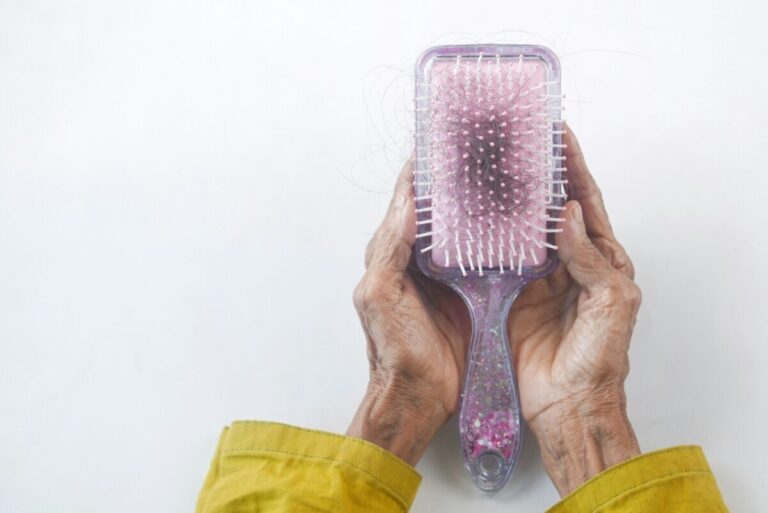

Understanding The Physiological Roots Of Birth Control Pill Triggered Hair Loss
I find that many people approach their wellness journey with a focus on outward signs, only to feel startled when subtle shifts occur within their body. Hair density is often one of the first indicators that something within our internal ecosystem has shifted due to hormonal changes. The relationship between synthetic hormones and follicles is a nuanced subject that warrants clear and honest attention.
Birth control pill triggered hair loss describes a situation where specific hormonal contraceptives influence the growth cycle of your hair. This process is rarely a sudden event, but rather a gradual thinning that many individuals notice after starting or stopping a specific formulation. It remains a topic that requires careful observation of your own patterns and a deep dive into how various compounds interact with your system.
When you take oral contraceptives, the synthetic progestins can sometimes create an androgenic effect that impacts hair follicles. If you are genetically predisposed to sensitivity, this shift can shorten the growth phase of your hair strands and lead to increased shedding. Addressing this involves identifying the specific hormone profile of your medication and observing how your body responds over several months.
Key Takeaways
- Current research indicates that approximately 5 to 10 percent of women using oral contraceptives report changes in hair density.
- The growth phase, or anagen phase, can be shortened by high androgen index progestins, leading to more follicles entering the resting stage prematurely.
- Monitoring your shedding patterns for at least 3 to 6 months provides a clearer picture of whether a specific hormonal change is affecting your hair cycle.
Nutritional Foundations For Follicular Health
Your hair follicles require a steady supply of vitamins and minerals to maintain a healthy growth cycle. When internal hormonal shifts occur, your body often prioritizes essential functions over non-essential tasks like hair production. A robust intake of specific nutrients can help support your system during transitions.
Research from the National Institutes of Health highlights how specific B vitamins contribute to the structural integrity of hair strands. You should look toward whole food sources such as legumes, nuts, and leafy greens to ensure your body has the raw materials it needs. Focusing on these building blocks helps provide a buffer when your hormones are in flux.
In addition to vitamins, trace minerals like zinc and iron are critical for maintaining the scalp environment. Deficiencies in these areas are common among individuals experiencing periods of high stress or dietary changes. Maintaining stable levels through a balanced diet is a proactive measure for any wellness-focused individual.
Impact Of Synthetic Progestins On Cycle Duration
The androgenic index of a progestin refers to how much it acts like testosterone within the body. Some formulas are specifically designed to have a lower androgenic profile, which is why many wellness professionals suggest discussing these options if you notice thinning. You can evaluate your current medication against known androgenic scores to see if a switch might be appropriate.
Increased androgen activity can cause follicles to miniaturize over time. This creates a visible reduction in overall volume and density. When you notice this change, it is important to track the timing of your medication usage relative to the onset of your symptoms.
| Progestin Type | Androgenicity Level | Common Observation |
|---|---|---|
| First Generation | High | Potential shedding increase |
| Second Generation | Moderate | Variable impact levels |
| Third Generation | Low | Less follicle impact |
Step-By-Step Hair Density Monitoring Formula
You can effectively track your hair health by using a simple three-month observation period. This process allows you to separate temporary seasonal shedding from persistent hormonal thinning. Consistent documentation is the most reliable way to provide your provider with accurate information.
- Establish a baseline by counting the strands you lose during a standard shower over one week.
- Document the date you start or change any hormonal intervention to track the reaction time of your follicles.
- Calculate the change in shed volume at the 30, 60, and 90 day marks to identify any clear trends in density.
If you see a steady increase in shedding that persists beyond three months, you have a solid data set to discuss with a professional. This evidence-based approach removes the guesswork from your wellness journey. It empowers you to make decisions based on your own physiology rather than anecdotal fears.
The Importance Of Scalp Microenvironment Balance
A healthy scalp environment is the bedrock for hair retention. When synthetic hormones circulate, they can alter the sebum production of your scalp. This shift may create an imbalance that affects the overall vitality of the hair roots.
Research from the National Library of Medicine clarifies that follicular health is deeply tied to local skin conditions. Using gentle, non-irritating cleansing agents helps maintain a stable pH balance on the scalp. Avoid harsh chemicals that strip away natural oils and potentially inflame the delicate skin at the base of your hair.
Massaging your scalp can improve localized circulation, which delivers vital oxygen to the follicles. This simple, cost-free habit is a staple in many wellness routines. It encourages the flow of nutrients to the area and supports the natural growth cycle through physical stimulation.
Dietary Strategies For Sustained Follicular Support
Integrating specific nutrients into your daily meals acts as a foundation for hair resilience. The following foods are particularly dense in micronutrients that support hair structural health. Focus on incorporating these into your weekly routine to build a consistent nutritional baseline.
- Pumpkin seeds contain high levels of zinc which is a vital mineral for follicle repair and maintenance.
- Atlantic salmon provides essential omega fatty acids that support scalp hydration and reduce systemic inflammation.
- Spinach and kale offer ample iron and folate, which support oxygen transport to your scalp tissues.
Frequently Asked Questions
Can switching to a different hormone formulation stop the thinning process?
Many individuals find that moving to a lower androgenic index formulation can reduce the impact on their follicles. This adjustment allows the body to normalize its hormonal environment while potentially slowing the shedding process over several months. You should always discuss these options with your provider to ensure the change is appropriate for your health history.
Because every system responds differently to synthetic compounds, there is no guarantee of immediate results. It takes time for the hair cycle to reset and for new growth to emerge. Patience during this transition phase is as important as the change in medication itself.
How long does it typically take for hair to grow back after hormonal adjustments?
Hair growth cycles occur in distinct phases that last for several months at a time. After removing a trigger, you may need to wait three to six months to see a noticeable reduction in shedding. Significant regrowth often takes even longer as the follicles move from the resting stage back into the active growth stage.
Tracking your progress with photos can provide a more accurate sense of change than relying on daily observation alone. Documenting your hair density at the same lighting and angle helps you see subtle improvements. Consistency in your monitoring will yield the most reliable feedback on how well your body is recovering.
Does the age of the individual affect the severity of hair shedding from these pills?
Age plays a role in how your endocrine system manages hormonal fluctuations. Younger individuals might notice that their bodies adapt quickly to changes in contraception. Older individuals may find that their follicles are more sensitive to hormonal shifts, leading to more pronounced thinning during periods of change.
Regardless of age, the total load of stress on your body impacts hair health. Factors like poor sleep, nutritional gaps, and high emotional strain can amplify the thinning caused by hormonal medication. Maintaining a holistic approach to your wellness helps buffer your body against these combined pressures.
Is it necessary to take supplements to manage this issue?
You can often address nutritional gaps through a whole-foods-based diet without relying on supplements. However, testing for specific deficiencies like low ferritin or vitamin D is a wise first step. If your levels are low, your provider might suggest targeted support to bring those markers back into a healthy range.
Never rely on supplements as a quick fix for hormonal imbalances. They are designed to fill specific gaps, not to override the systemic effects of hormonal medications. A balanced approach using real food remains the most effective way to support long-term follicular health.
What role does stress play in conjunction with hormonal medication?
Stress and hormonal medications often act as twin stressors on the body. When you are under high pressure, your body produces more cortisol, which can disrupt your hair growth cycle further. This creates a compounded effect that makes thinning seem more rapid than it would be from medication alone.
Managing your stress through consistent restorative practices is essential for protecting your hair density. Simple activities like daily walks or intentional breathing can help lower your systemic cortisol levels. These small actions contribute to an environment where your hair follicles can thrive rather than just survive.
The Bottom Line
Addressing birth control pill triggered hair loss requires a combination of patience, nutritional diligence, and clear communication with your medical team. You must prioritize your overall internal health by monitoring your intake of essential vitamins and minerals. By identifying if your medication has a high androgenic index, you can make informed decisions about your options.
Never stop or change any medication without consulting the provider who recommended it. Focus on building a resilient foundation through a whole-food diet and consistent stress management to support your follicles. Take charge of your wellness journey by tracking your shedding patterns and documenting changes over several months to gauge your progress accurately.
This information is intended for educational purposes only and should not be considered professional medical advice. Individuals who are pregnant, nursing, or managing chronic conditions should exercise caution. Consult a licensed healthcare provider before starting any new wellness routine.
Get Your FREE Natural Health Guide!
Subscribe now and receive our exclusive ebook packed with natural health tips, practical wellness advice, and easy lifestyle changes, delivered straight to your inbox.