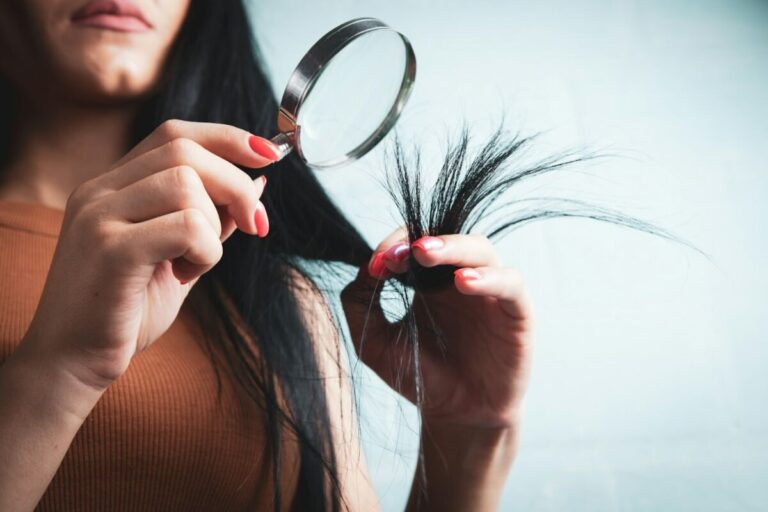
Understanding Estrogen Drop And Hair Follicle Miniaturization
Hair health often mirrors the internal state of your body during major life transitions. Many individuals notice a change in the thickness or texture of their hair as their natural hormone levels start to shift over time. This process is common but frequently misunderstood by those seeking answers.
The shift in hormonal balance influences how strands grow and stay attached to the scalp. When specific protective factors decrease, hair cycles often shorten leading to thinner strands over a long period. This pattern is known as thinning related to hormonal change.
Estrogen drop and hair follicle miniaturization occur when lower hormone levels allow androgens to exert more influence on scalp pores. This interaction causes hair strands to grow back thinner and shorter with each passing cycle. Over time these cycles weaken the visible density of your hair.
Key Takeaways
- Research by the National Library of Medicine indicates that estrogen receptors exist within hair follicles and help regulate the growth phase.
- Hair growth cycles typically last between 2 and 7 years depending on genetics and hormonal health.
- Studies from the National Institute on Aging confirm that hormone shifts often lead to noticeable changes in hair texture and scalp coverage during middle age.
I have spent years observing how clients respond to hormonal shifts. Watching the hair cycle shorten after natural hormonal declines provides a clear look at how biology dictates aesthetic results.
The Role Of Hormonal Signaling In Follicle Health
Follicles act as small factories for hair production. They rely on specific signals to maintain a long growth phase. Estrogen serves as a primary signal that tells the follicle to remain active and productive.
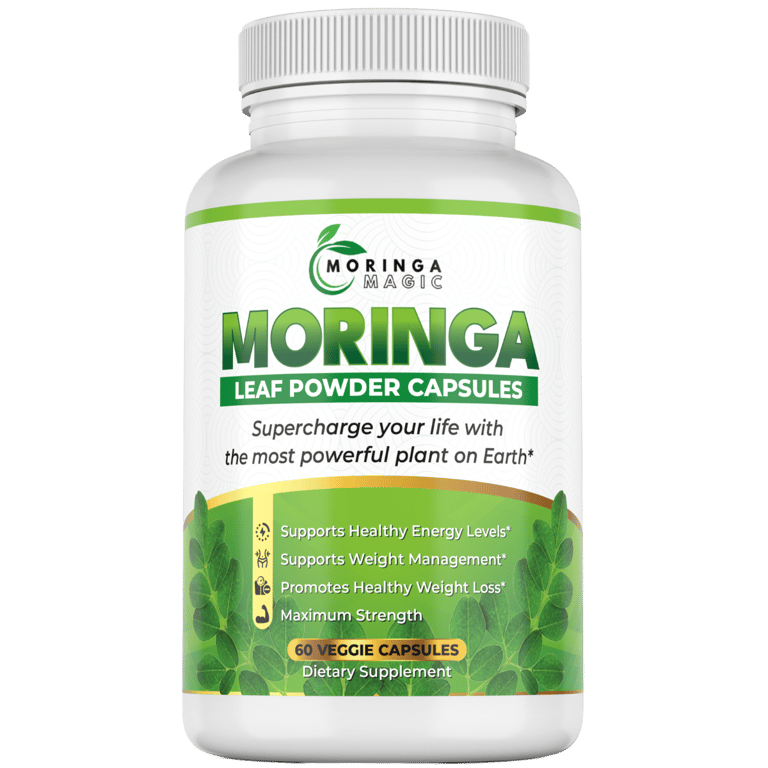
Moringa Magic™ Plant-Based Routine
- Highly bioavailable, plant-based routine designed to provide foundational nutritional support
- Helps your body optimize daily nutrient absorption and address hidden nutrient gaps
- Manufactured in a cGMP-compliant, FDA-registered facility without heavy stimulants
When these signals fade the follicle enters a state of dormancy faster than normal. This results in shorter hair that never reaches its full length potential. The reduction in signal strength is the root of the issue.
Biological Growth Cycles
Hair grows in a cycle of three stages. The longest phase is the growth stage where the hair gains length. Estrogen helps keep this phase stable and healthy.
When signals weaken the cycle shifts toward the shedding phase. This leaves the scalp looking thinner because new hairs do not grow back as quickly as old ones fall out. Understanding this rhythm helps explain why changes seem to happen overnight.
Androgen Influence On Scalp Tissue
Androgens are present in every body regardless of gender. They naturally affect the size and output of the hair follicle. Lower levels of protective hormones allow these androgens to impact follicles more aggressively.
This is not about an excess of hormones but rather a lack of balance. The follicle reacts to this imbalance by shrinking in diameter. This process is known as miniaturization.
Nutritional Foundations For Scalp Support
| Nutrient | Role In Hair Health | Common Food Source |
|---|---|---|
| Iron | Oxygenates follicles | Leafy greens |
| Biotin | Structural integrity | Egg yolks |
| Zinc | Tissue repair | Pumpkin seeds |
Nutrition provides the building blocks for every strand you grow. When hormones shift your body needs more targeted support to keep follicles functioning well. Prioritizing nutrient dense foods helps mitigate some of the common effects of lower hormonal activity.
- Iron Intake: Maintaining sufficient iron levels ensures that oxygen reaches the scalp. Without enough oxygen the follicles cannot sustain healthy growth.
- Protein Quality: Hair consists primarily of keratin. Eating enough complete protein provides the amino acids needed to build these structures.
- Healthy Fats: Omega 3 fatty acids found in sources like flax seeds support the skin barrier. A healthy scalp environment is necessary for hair to flourish.
Tracking Growth Patterns At Home
You can monitor changes in your hair diameter by taking consistent measurements. Using a simple set of tools provides a clear view of your progress. Precision is helpful when evaluating the health of your scalp.
Find a small section of hair at the crown of your head. Measure the diameter of the ponytail or a small bundle using a digital caliper. Repeat this measurement every 3 months to see if the diameter changes.
Divide the total volume of your hair by the count of active follicles. This rough calculation shows the average width of each strand. If the average decreases over time you are observing the effect of follicle shrinking.
Blood Flow And Scalp Environment
Blood flow is the delivery system for all the nutrients your hair requires. Hormonal changes can lead to minor changes in blood vessel dilation. This limits the supply of vital resources to the roots.
Improving Circulation
Scalp massage is a simple way to assist blood flow. Use gentle pressure to move the skin over the bone. This encourages blood to circulate in areas where hair looks thin.
Heat is another way to support the scalp. Warm showers encourage vessels to open. This allows more nutrients to reach the follicle base.
Managing Scalp Tension
Chronic tension in the scalp muscles can restrict blood flow. This often happens due to stress or poor posture. Tension prevents follicles from receiving the fuel they need.
Regular relaxation techniques help release this pressure. A loose scalp is a sign of good circulation. This environment is ideal for sustained hair health.
The Impact Of Stress On The Growth Phase
Stress triggers a shift in body chemistry that disrupts the hair cycle. Cortisol levels rise and force follicles into the resting phase. This leads to increased shedding and thinning.
When combined with hormonal declines stress accelerates the rate of thinning. Your body prioritizes survival over hair production. This makes hair health a secondary concern for your system.
Selecting Gentle Hair Care Practices
Aggressive styling can damage thin hair. Avoiding heat and tight hairstyles reduces physical stress on the follicles. These choices help preserve the length and density you currently have.
- Gentle Cleansing: Use sulfate free shampoos. These products clean the scalp without removing natural oils that protect your hair strands.
- Wide Tooth Combs: Detangle your hair starting from the ends. This prevents unnecessary breakage and strain on the roots.
- Avoid Heat: Minimize the use of dryers and straighteners. High heat weakens the hair shaft and makes it prone to snapping.
Scientific Insights Into Hair Density
The density of your hair is determined by the number of follicles active on your head. Many follicles may be present but inactive. Reinvigorating these follicles is a common goal in wellness.
Follicle Regeneration Research
Research published by the Centers for Disease Control highlights the importance of overall wellness in supporting cellular function. While we cannot change genetics we can influence how our body prioritizes energy. Good habits support the follicles you have.
Natural Botanical Support
Certain plant extracts show promise in supporting scalp health. Rosemary oil for instance is often used in traditional practices. It may help maintain the surface environment of the skin.
Frequently Asked Questions
Can natural remedies reverse the thinning process?
Most natural approaches aim to support the scalp environment rather than reversing the biological aging of follicles. By providing better nutrition and reducing physical stress you may observe healthier looking hair that appears thicker. It is rarely a total reversal but rather a maintenance of what remains.
Focus on consistency rather than rapid results. It takes several months for hair cycles to reflect changes in your wellness routine. Stay patient with the process as you support your body from the inside out.
How does diet influence follicle miniaturization?
Diet acts as the fuel for every biological process including the growth of new hair. When you lack essential vitamins like B12 or minerals like zinc the body struggles to maintain the follicle structures. A well rounded diet prevents the nutritional deficiencies that often exacerbate thinning.
Aim for whole foods that provide dense nutritional value. Prioritizing these foods ensures your body has the materials needed to maintain current growth. A lack of fuel often speeds up the signs of aging in the follicles.
Is exercise helpful for hair density?
Regular physical activity improves systemic blood flow and lowers stress. Both of these benefits assist in keeping the scalp environment healthy. While exercise does not change your hormonal levels it does help your body manage the impacts of those shifts more effectively.
Choose activities you enjoy to keep your stress levels low. Consistent, moderate movement is more effective than intense bouts of activity for long term health. This habit supports the overall wellness required for healthy hair growth.
Why does hair texture change over time?
Texture changes occur because the follicle diameter reduces as we age. When follicles shrink the hair they produce is finer and softer. This change is directly linked to the hormonal shifts occurring throughout the body.
The change in diameter alters how hair moves and sits on the head. Embracing these changes with gentle care routines helps maintain a polished look. Focus on building volume through gentle styling rather than fighting the natural texture.
How often should I monitor hair changes?
Monitoring every 3 to 6 months provides a realistic view of how your hair reacts to lifestyle adjustments. Rapid tracking often leads to unnecessary worry as hair cycles are naturally slow. This timeframe allows you to distinguish between temporary shedding and consistent changes.
Use photos and simple diameter checks to document your findings. Comparing images from the same lighting conditions ensures your observations remain accurate. This data allows you to refine your wellness routine based on what actually works for you.
The Bottom Line
Estrogen drop and hair follicle miniaturization represent a natural part of the aging process for many. You can support your scalp through deliberate nutritional choices and gentle hair habits. Focus on reducing physical stress and improving circulation to maintain the best hair density possible. Consult a licensed healthcare provider before starting any new wellness routine. Individuals with specific medical conditions or those who are pregnant should seek professional advice before making changes.
Get Your FREE Natural Health Guide!
Subscribe now and receive our exclusive ebook packed with natural health tips, practical wellness advice, and easy lifestyle changes, delivered straight to your inbox.