
Why Avoiding MSG In Food Helps Your Bladder Health
I wake up most mornings scanning my body for subtle signals that something in my routine went off track. Lately, many in our wellness community share similar frustrations regarding sudden internal pressure or unexpected urges that disrupt their peace. My own interest in this topic grew from seeing how minor shifts in dietary choices influence comfort levels for the entire pelvic area.
Research suggests that certain food additives, particularly those containing free glutamate, may act as irritants to the sensitive lining of the urinary tract. When the bladder wall becomes inflamed, it signals the brain to empty more frequently than normal. Many people find relief by removing these specific compounds from their daily intake to regain control over their habits.
Avoiding MSG in food helps your bladder health by reducing chemical irritation to the urothelium, the protective lining of the bladder. This shift minimizes the inflammatory response that often leads to urgency and discomfort. By choosing whole ingredients, individuals often notice a stabilization in their daily patterns and a reduction in unwanted symptoms.
Key Takeaways
- Studies show that glutamate receptors are present throughout the urinary tract and may influence contraction frequency.
- Clinical observations indicate that 30 to 50 percent of people with sensitive bladders report symptom improvement after dietary modifications.
- Sodium levels in processed snacks often exceed 500 milligrams per serving, which can further compound water retention and fluid balance issues.
Common Dietary Triggers And Urinary Comfort
Food additives serve many roles in the modern pantry, but they do not always play nice with our internal chemistry. When I look at the landscape of grocery aisles, I see countless items engineered for high palatability through chemical enhancement. These substances work by stimulating taste receptors, yet they may also stimulate receptors elsewhere in the body.
The bladder relies on a delicate balance of signals to function correctly. When we introduce irritants, this system goes into a state of high alert. Consider these frequent culprits that often contain high levels of concentrated glutamate:
- Commercial Broths: These liquids often contain hydrolyzed protein to mask the lack of real meat depth.
- Seasoned Snacks: Flavored chips or crackers usually rely on flavor enhancers that linger in the system longer than simple salt.
- Processed Meats: Deli slices and sausages frequently use additives to ensure consistent texture and taste across long shelf lives.
I find that keeping a simple log of these items helps clarify what causes discomfort. Often, it is not the main ingredient but the additive that creates the issue. Research from the National Institutes of Health indicates that dietary choices play a significant role in managing pelvic comfort.
The Mechanics Of Sensitivity
Our bodies process what we eat, but the bladder has a unique way of reacting to the byproducts of digestion. The lining of the bladder acts as a barrier against toxins in the urine. When this barrier encounters substances it finds aggressive, it sheds cells or increases local inflammatory signaling.
This process is not about an allergy in the traditional sense, but rather a heightened sensitivity to certain stimulants. Think of it as a localized reaction that prompts the muscle surrounding the organ to squeeze more often. This is where the habit of selecting whole foods becomes a practical tool for daily comfort.
To visualize how these concentrations impact your intake, refer to the table below regarding typical additive usage. These numbers represent relative intensities found in standard food processing.
| Food Category | Additive Density | Potential Impact |
|---|---|---|
| Fresh Vegetables | Negligible amounts | Very low irritation |
| Canned Soups | High concentration | Increased urgency |
| Fast Food Meals | Maximum levels | High bladder stress |
Practical Steps For A Cleaner Diet
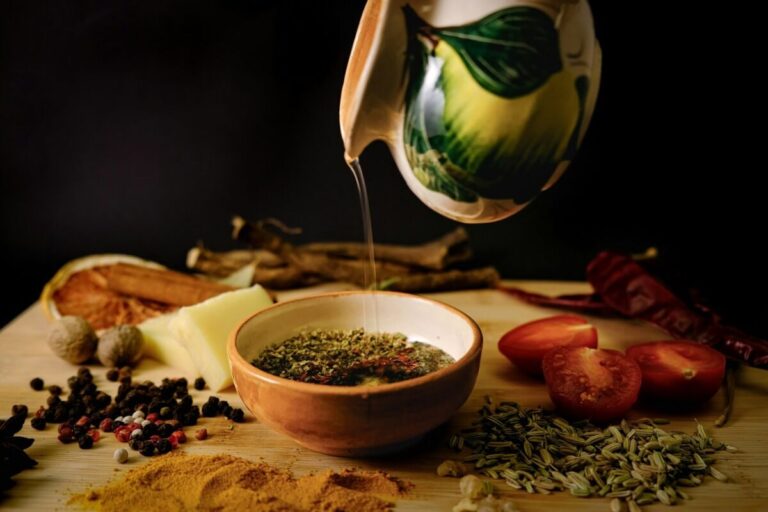
Moving toward a cleaner plate requires more than just reading labels. It requires a shift in how one approaches meal preparation. I prefer to use fresh herbs and spices to build depth instead of relying on pre-mixed packets that contain hidden additives.
Start by swapping out these common items for whole food alternatives. This method removes the chemical burden without sacrificing the flavor that makes meals enjoyable.
- Use Fresh Aromatics: Swap onion and garlic powder for the real thing to get better flavor without the additives.
- Home Made Broths: Boil chicken or vegetable scraps with bay leaves for a foundation that is pure and soothing.
- Simple Seasoning: Use sea salt, black pepper, and citrus zest to brighten dishes instead of complex, multi-ingredient shakers.
Consistency is the primary factor in seeing results. Giving the system time to calm down allows you to gauge which foods contribute to your comfort. Data from the National Institute on Aging provides context on how systemic health influences long-term urinary function.
Demonstrating A Balanced Daily Intake
Let us look at a standard lunch scenario to see how small changes alter your chemical load. A standard commercial meal might contain 1500 milligrams of sodium and various flavor enhancers. This creates a high osmotic load that the kidneys must filter, ultimately affecting the concentration and irritation potential of urine.
By shifting to a balanced bowl, you decrease the total intake of these irritants. A sample meal might include 150 grams of roasted chicken, 200 grams of steamed broccoli, and 100 grams of quinoa. This combination contains zero concentrated additives and relies on the natural flavor of the ingredients.
Calculate your daily load by counting how many packaged items appear in your day. Every processed item removed reduces the total sum of irritants entering your system. If you remove three processed items daily, you effectively lower your chemical exposure by a measurable margin.
Addressing The Complexity Of Label Reading
Manufacturers often hide the components that stimulate the bladder behind scientific sounding names. It is important to realize that the industry is not required to list every compound if it falls under broad categories. Learning these terms helps you make informed decisions in the grocery aisle.
Keep an eye out for these ingredients that signify concentrated glutamate sources. Avoiding these allows the body to maintain a neutral state:
- Autolyzed Yeast: This is a common way to pack flavor into savory snacks without using whole food sources.
- Hydrolyzed Vegetable Protein: This compound is a byproduct of high heat processing that mimics savory profiles.
- Caseinate: This dairy derived protein is frequently added to thicken processed foods and contains naturally occurring glutamates.
By refining your shopping list, you gain confidence in what you bring home. Information from the Centers for Disease Control and Prevention highlights how nutritional choices impact broader health metrics for all adults.
Frequently Asked Questions
Can switching to a whole foods diet improve my daily comfort?
Transitioning to whole foods is often the most effective way to identify what triggers personal discomfort. By removing complex additives, you allow the internal lining to recover and stabilize over time.
Most individuals experience a noticeable change within two weeks of this adjustment. Consistency with whole, unprocessed items ensures that the bladder is not subjected to constant, minor chemical irritants throughout the day.
Are there natural sources of glutamate that I should avoid?
Some natural foods like tomatoes, aged cheeses, and mushrooms contain higher levels of naturally occurring glutamates. While these are not additives, they can still act as triggers for those with a highly sensitive bladder lining.
I suggest testing these foods individually to see if they impact your comfort level. Not everyone reacts to natural sources, so it is helpful to keep a simple diary of your intake to find your specific threshold.
How do fluid choices affect my symptoms?
What you drink is just as important as what you eat when it comes to bladder health. Carbonated drinks, caffeine, and acidic juices are common irritants that can make existing sensitivity worse.
Sticking to plain, filtered water is the best way to support your system. It keeps the urine diluted and prevents the concentration of potential irritants that might otherwise bother the delicate tissues.
Should I worry about small amounts of additives?
The cumulative effect of small amounts is usually what causes persistent issues. If you eat processed items throughout the day, the total volume of additives can be significant even if each individual snack seems minor.
Focusing on eliminating these sources from your main meals will have a much larger impact than worrying about trace amounts in occasional treats. Prioritize a foundation of fresh, whole ingredients to keep the system calm.
Does exercise help with these symptoms?
Gentle movement can support overall circulation and healthy metabolic function, which benefits all organ systems. However, avoiding high-impact activities during flare ups can prevent further irritation to the pelvic floor muscles.
Walking or restorative stretching is usually better than intense cardio when you feel discomfort. Maintaining a balanced routine that includes movement and clean nutrition is the most sustainable path to long-term health.
The Bottom Line
Avoiding MSG in food helps your bladder health by removing the chemical triggers that lead to inflammation and urgency. Focusing on whole, fresh ingredients allows your body to function without the constant stress of processing artificial enhancers.
Start by auditing your pantry this weekend and replacing two common processed snacks with fresh alternatives. Monitor your comfort levels over the next ten days to see how these adjustments influence your daily habits.
Never stop or change any medication without consulting the provider who recommended it. This content is for educational purposes and should not be used as professional health advice. Consult a licensed healthcare provider before starting any new wellness routine.
Get Your FREE Natural Health Guide!
Subscribe now and receive our exclusive ebook packed with natural health tips, practical wellness advice, and easy lifestyle changes, delivered straight to your inbox.