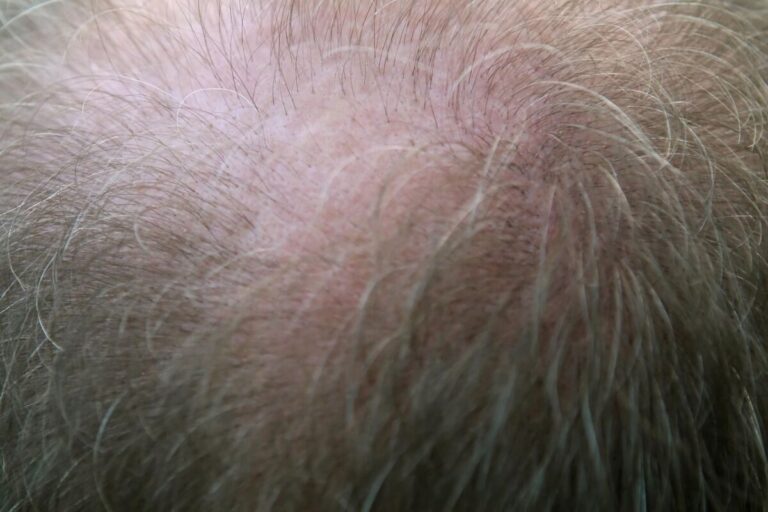
I feel the sharp sting of a dry and itchy crown whenever the humidity drops. It happens during the transition between seasons when my skin feels tight and uncomfortable. I seek out gentle answers from nature to soothe these common irritations.
My interest in plant based solutions often leads me toward traditional botanicals. I find that earth grown elements offer a calming presence for many minor physical woes. These rituals help me maintain a sense of balance when I encounter these routine challenges.
Neem leaves for scalp infection are often discussed in wellness circles as a natural approach to skin health. These leaves contain compounds that support a balanced microbiome on the head. Using a prepared rinse or paste may help calm irritation and promote a healthy environment for hair growth.
Key Takeaways
- Natural Antifungal Activity: Research published by the National Library of Medicine details how specific plant compounds inhibit the growth of common skin microbes.
- Chemical Composition: These leaves contain nimbin and nimbidin which demonstrate properties that assist in reducing redness and swelling.
- Safe Dilution Ranges: Most botanical applications suggest using a concentration of five to ten percent to avoid skin sensitivity.
Practical Steps For Using Neem Leaves For Scalp Infection
Consistency serves as the foundation for any botanical routine. I prepare my infusions by steeping a handful of clean leaves in hot water for twenty minutes. This creates a potent extract suitable for a final hair rinse.
You must ensure the mixture cools to room temperature before application. I apply the solution slowly to ensure the liquid reaches the skin rather than just coating the hair strands. Allowing the liquid to sit for ten minutes provides enough time for the surface of the skin to absorb the plant compounds.
It is important to follow the rinse with a mild water wash to remove excess residue. This simple cycle can be repeated twice a week to maintain comfort. You should always monitor your skin for signs of reactivity during these early attempts.
| Component | Function | Recommended Usage |
| Leaf Infusion | Calming Irritation | Weekly Rinse |
| Crushed Paste | Direct Contact | Spot Application |
| Carrier Oil | Hydration Support | Daily Massage |
The Role Of Botanical Diversity In Skin Care
Nature provides a wide array of options for managing skin comfort. Relying on one single source may limit the benefits to your scalp health. Adding varied plant extracts creates a more balanced approach to external wellness.
Some individuals find that combining these leaves with cooling agents like aloe provides a better result. North Carolina A&T State University agriculture resources highlight the importance of understanding plant life cycles when selecting fresh materials for preparation. Diversifying your routine helps you identify which specific botanicals work best for your unique physical needs.
Always source your plant materials from reputable providers to ensure quality. Contaminated botanicals can introduce unwanted irritants to sensitive areas. Cleanliness in your preparation space remains as important as the ingredients you select.
Managing Expectations In A Wellness Protocol
You may not notice a difference after a single application. Botanical responses often require a period of consistent use to show observable change. I encourage patience when introducing these natural methods to your regimen.
Documenting your progress helps you understand if a specific approach provides value. Keep a brief note on how your scalp feels before and after each cycle. This simple act provides clarity regarding the effectiveness of your chosen path.
If irritation persists despite your efforts, pause the routine immediately. Nature based solutions are powerful but they are not a universal fix for every condition. Pay attention to how your body signals its comfort levels.
Understanding The Baseline Of Skin Comfort
A healthy scalp requires more than just topical applications. Your diet and overall hydration levels play a significant role in skin integrity. Adequate water intake keeps your cells plump and resilient against environmental stressors.
The Ontario Ministry of Education promotes healthy lifestyle choices that encourage students to learn about basic physiology and nutritional needs. Focus on whole foods that contain healthy fats to support your natural oil production. These internal factors work in tandem with any external botanical rituals you choose to follow.
Frequently Asked Questions
Can I use these leaves if I have sensitive skin?
Sensitive skin requires a gentle touch regardless of the botanical used. You should always perform a patch test on your inner forearm before applying any plant extract to your scalp. Watch the area for twenty four hours to ensure no redness or itching develops.
If the test area remains calm, you might proceed with a very diluted concentration. Start with a small amount of the infusion and gradually adjust if your skin tolerates the process well. Never apply concentrated pastes directly to inflamed areas if you suspect a reaction.
How often should I apply a rinse?
Most individuals find that applying a botanical rinse twice a week is sufficient for maintenance. Overusing any topical agent can disrupt the natural oil balance of the hair and skin. You want to provide support rather than overwhelm the delicate surface area.
Pay attention to the specific needs of your hair type as well. Thicker hair might require a more thorough rinsing process to prevent buildup from the plant fibers. Adjust the frequency based on how your scalp responds over several weeks of testing.
Are there any specific safety precautions to follow?
Safety begins with sourcing high quality organic leaves to avoid synthetic pesticides. Always rinse your plant material thoroughly in cold water before starting your infusion. This removes dust or field debris that could cause irritation during the process.
You must also ensure that your equipment is sanitized before preparing any botanical solutions. Store any unused portions in a refrigerator for no more than two days to prevent bacterial growth. Never stop or change any medication without consulting the provider who recommended it.
Can I mix these leaves with essential oils?
Mixing botanical infusions with essential oils is a common practice, but it requires caution. Essential oils are highly concentrated and can cause irritation if not diluted properly in a carrier oil or a water base. Start with a very low ratio of one drop per cup of infusion to gauge your tolerance.
Avoid mixing if you have a known history of skin allergies to specific plant families. Always verify the quality of your essential oils as some products contain synthetic fillers. When in doubt, stick to the plain leaf infusion to keep your routine simple and safe.
How long does it take to see results?
Results depend heavily on the individual and the underlying cause of the discomfort. Many people report feeling a sense of relief within two to three weeks of consistent application. Patience is essential when working with natural extracts that support the skin rather than masking symptoms.
If you do not observe any improvement after a month of steady use, it is likely that your approach does not match your specific needs. Reevaluate your current wellness habits and focus on systemic health. Do not force a routine that is not yielding the comfort you desire.
The Bottom Line
Integrating neem leaves for scalp infection into your routine offers a gentle way to address minor skin discomfort. Success depends on consistency, proper preparation, and listening to how your body responds to each application.
Focus on maintaining a healthy, balanced lifestyle alongside these topical efforts to ensure lasting comfort. Consult a licensed healthcare provider before starting any new wellness routine.
Get Your FREE Natural Health Guide!
Subscribe now and receive our exclusive ebook packed with natural health tips, practical wellness advice, and easy lifestyle changes, delivered straight to your inbox.