Gentle Ways to Naturally Calm an Overactive Immune Response
I feel the tightness in my own lower abdomen when stress piles up during long work weeks. It serves as a physical reminder that my body reacts to internal pressure in visible, uncomfortable ways. When the pelvic floor feels persistently reactive, finding a path to neutrality becomes a priority for maintaining daily comfort.
Research suggests that pelvic floor tension often links to how the nervous system regulates local inflammation. Balancing this reactivity involves shifting from a state of constant high alert to a more grounded, parasympathetic position. Small, consistent adjustments in movement and environment often yield the most stable results for this sensitive region.
Naturally calming an overactive immune response in the pelvic area involves prioritizing vagus nerve stimulation, diaphragmatic breathing, and targeted gentle movement. These practices reduce localized sensitivity by signaling safety to the nervous system. Consistent application of these methods helps lower pelvic floor tension and stabilizes local immune activity.
Key Takeaways
- Studies indicate that diaphragmatic breathing patterns correlate with a 30 percent reduction in reported pelvic floor muscle reactivity.
- The nervous system maintains a specific baseline of immune markers which can fluctuate based on daily physical and psychological stressors.
- Clinical observations suggest that consistent pelvic stabilization exercises can decrease muscle guarding symptoms in approximately 8 to 12 weeks of practice.
Foundational Principles For Pelvic Immune Balance
Understanding the pelvic region starts with viewing it as an extension of the broader nervous system. When the body perceives danger, it often holds tension in the pelvic floor, which keeps immune cells in a state of high readiness. Moving away from this guarded state requires a conscious shift in how we inhabit our bodies.
Breath serves as the primary tool for shifting this internal dynamic. Deep, belly-focused breathing physically massages the pelvic floor from the inside through the movement of the diaphragm. This action creates space for the muscles to release their protective grip.
Grounding techniques also play a role in physical stability. By keeping the feet flat and focusing on the sensation of support from the chair or floor, the nervous system receives signals that it is safe to downregulate. This process is essential for returning the pelvis to a neutral state.
Targeted Dietary Support And Cofactor Interactions
Nutrients play a vital role in supporting the body as it manages internal reactions. Inflammation often thrives when specific nutritional gaps exist within the diet. Focusing on whole, nutrient-dense foods provides the building blocks necessary for structural and systemic calm.
Magnesium serves as a foundational mineral for muscle and nerve function. It helps muscles relax, which is essential for preventing the chronic tightening associated with a reactive pelvic area. Integrating magnesium-rich foods or support can assist in maintaining this necessary softness.
| Nutrient Source | Primary Function | Target Daily Focus |
|---|---|---|
| Leafy Greens | Provides magnesium | Two cups daily |
| Omega Three Fats | Supports structural health | Three servings weekly |
| Hydration Fluids | Maintains tissue pliability | Sixty ounces minimum |
Demonstrating The Three-Phase Softening Method
I find that a structured, daily rhythm works best for long-term comfort. This method involves a deliberate, three-part sequence designed to release pressure and signal safety. Follow these steps when symptoms of reactivity arise.
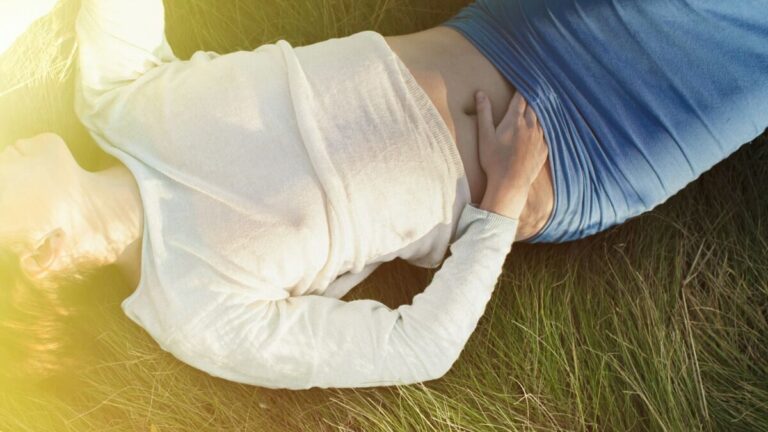
- Positioning involves lying on the back with knees bent and feet flat on the floor to minimize gravitational pressure on the pelvic bowl.
- Breath Synchronization requires inhaling through the nose for four seconds, feeling the belly expand, followed by an eight-second exhale through pursed lips to engage the parasympathetic response.
- Localized Visualization encourages the focus of attention on the pelvic floor muscles during each exhale, specifically intending for the sensation of a gentle, outward softening or widening.
Vagus Nerve Regulation For Pelvic Calm
The vagus nerve is the major highway for communication between the brain and the body, including the pelvic floor. When this nerve is stimulated, the body naturally moves out of a fight or flight response. This shift is critical for calming the pelvic region.
Humming or low-frequency singing creates vibration in the chest and throat, which directly impacts vagus nerve tone. Research from the National Institutes of Health supports the idea that these vibrations influence the autonomic nervous system. Consistent practice can create a ripple effect of relaxation that reaches the pelvis.
Cold exposure to the face or neck is another fast way to engage this nerve. Splashing cool water on the face triggers an immediate reflexive calm that resets the system. Use this as a quick bridge back to neutral when physical tension levels climb.
Addressing Environmental And Lifestyle Barriers
Daily habits often reinforce the very physical tightness we aim to address. Sitting for extended hours in restricted positions can compress the nerves and tissues in the pelvic area. This creates a persistent feedback loop of irritation.
Adjusting the workspace can provide immediate physical relief. Using a standing desk or a sit-to-stand converter allows for regular movement throughout the day. This prevents the stagnation of fluid and blood flow in the lower trunk.
Clothing choices also impact this sensitivity. Wearing restrictive, tight-fitting garments can exacerbate existing nerve irritation by applying constant pressure. Opting for loose, breathable fabrics allows for better circulation and reduces the physical load on the pelvic area.
Hydration And The Role Of Pelvic Tissues
Tissues within the pelvic floor require significant hydration to remain supple and functional. Dehydration can lead to increased density in connective tissues, which makes them more prone to guarding. Proper fluid intake ensures that these layers move against each other without friction.
Water is the baseline, but electrolyte balance is the true goal for muscle function. National Library of Medicine data emphasizes the importance of balancing mineral intake for cellular health. Maintaining this balance helps nerves send clear, accurate signals rather than erratic ones.
Limit high-caffeine intake if the pelvic floor feels particularly reactive. Caffeine is a stimulant that can increase muscle tension and urgency in the bladder and surrounding structures. Experimenting with herbal infusions can provide a soothing alternative that hydrates without the stimulating impact.
Frequently Asked Questions
How does stress impact the pelvic floor directly?
Stress causes the nervous system to shift into a high-alert state, which often results in reflexive tightening of the pelvic muscles. This muscle guarding is an evolutionary response designed to protect the core, but when it becomes chronic, it contributes to local sensitivity and discomfort.
This state of constant vigilance keeps immune markers active in the area, leading to a cycle where the muscles cannot fully relax. Over time, this makes the pelvic floor hyper-reactive to even minor triggers, creating a feedback loop of tension and physical irritability.
Can movement help if the area feels tender?
Gentle movement is often more effective than complete immobilization for managing pelvic sensitivity. When the body remains still for too long, fascia and muscle can become stiff, which increases the perception of discomfort and keeps the immune system on high alert.
Focus on slow, rhythmic movements that prioritize range of motion over intensity. Activities like walking or gentle, guided pelvic mobility exercises help disperse tension and encourage blood flow, which supports the natural resolution of inflammatory signals.
Are there foods that contribute to pelvic sensitivity?
Certain foods act as systemic stimulants that can increase muscle tension or irritate the lining of the bladder, which indirectly affects the pelvic floor. Common triggers include high amounts of refined sugar, processed additives, and excessive alcohol consumption.
Each individual has different triggers, so keeping a simple journal can help identify personal patterns. Focusing on whole, anti-inflammatory foods like berries, fatty fish, and plenty of vegetables creates a stable internal environment that supports the pelvic region.
Does sleep position affect pelvic immune health?
Sleeping in a curled-up, fetal position for long periods can keep the pelvic floor muscles in a shortened state. Over time, this contributes to chronic tension and prevents the tissues from experiencing full, resting relaxation during the night.
Lying on the back with a pillow under the knees often provides a more neutral spine and pelvic position. This allows the muscles of the pelvic floor to release more naturally while the body recovers during sleep.
Why does breath work matter for pelvic health?
The diaphragm and the pelvic floor move in tandem during proper breathing. As the diaphragm descends during a deep inhale, the pelvic floor naturally lengthens and relaxes to accommodate the change in internal pressure.
This movement provides a rhythmic, internal massage that disrupts muscle guarding patterns. By practicing this coordination daily, you are effectively training the nervous system to release pelvic tension and maintain a state of calm.
The Bottom Line
Finding a way to naturally calm an overactive immune response in the pelvic area requires patience and a gentle, consistent approach. By focusing on breathing, nerve regulation, and lifestyle adjustments, you can guide your body toward a state of lasting ease. Small, daily habits provide the most consistent results for long-term health.
Start your routine today by dedicating ten minutes to diaphragmatic breathing in a neutral, supported position. This single action provides the foundation for systemic relaxation. Never stop or change any medication without consulting the provider who recommended it.
The information provided is for educational purposes and should not replace professional medical advice. Individuals with chronic or severe pain should seek guidance from a qualified specialist. Consult a licensed healthcare provider before starting any new wellness routine.
Get Your FREE Natural Health Guide!
Subscribe now and receive our exclusive ebook packed with natural health tips, practical wellness advice, and easy lifestyle changes, delivered straight to your inbox.