
Natural Methods Like Cabbage Wrap For Ligament Swelling
I feel that deep, pulsing ache in my ankle after a long afternoon on my feet. The persistent throb in my joints often forces me to look toward the kitchen instead of the pharmacy for relief. Many people find that simple garden greens offer a surprising degree of comfort when physical activity leads to discomfort.
Nature provides numerous compounds that help manage physical sensitivity without heavy intervention. My research into traditional wellness practices shows that common vegetables often contain natural elements that support comfort during rest. I have found that integrating these simple, vegetable-based applications into a recovery routine provides a gentle way to address localized soreness.
A cabbage wrap for ligament swelling serves as a traditional, non-invasive method that uses the natural cooling properties of Brassica oleracea leaves to ease local tissue tension. By securing raw, bruised leaves against the affected area for several hours, individuals may notice a reduction in perceived heat and discomfort. This technique works by creating a mild, soothing barrier that encourages relaxation of the surrounding soft tissue.
Key Takeaways
- Raw cabbage leaves contain natural compounds like glucosinolates that persist when the leaves remain at room temperature.
- Cold applications to soft tissue injury may reduce local blood flow by approximately 15 to 20 percent within the first hour.
- Consistent rest combined with plant-based topical support assists the body in maintaining its natural recovery rhythm over 48 to 72 hours.
Why A Cabbage Wrap For Ligament Swelling Works At Home
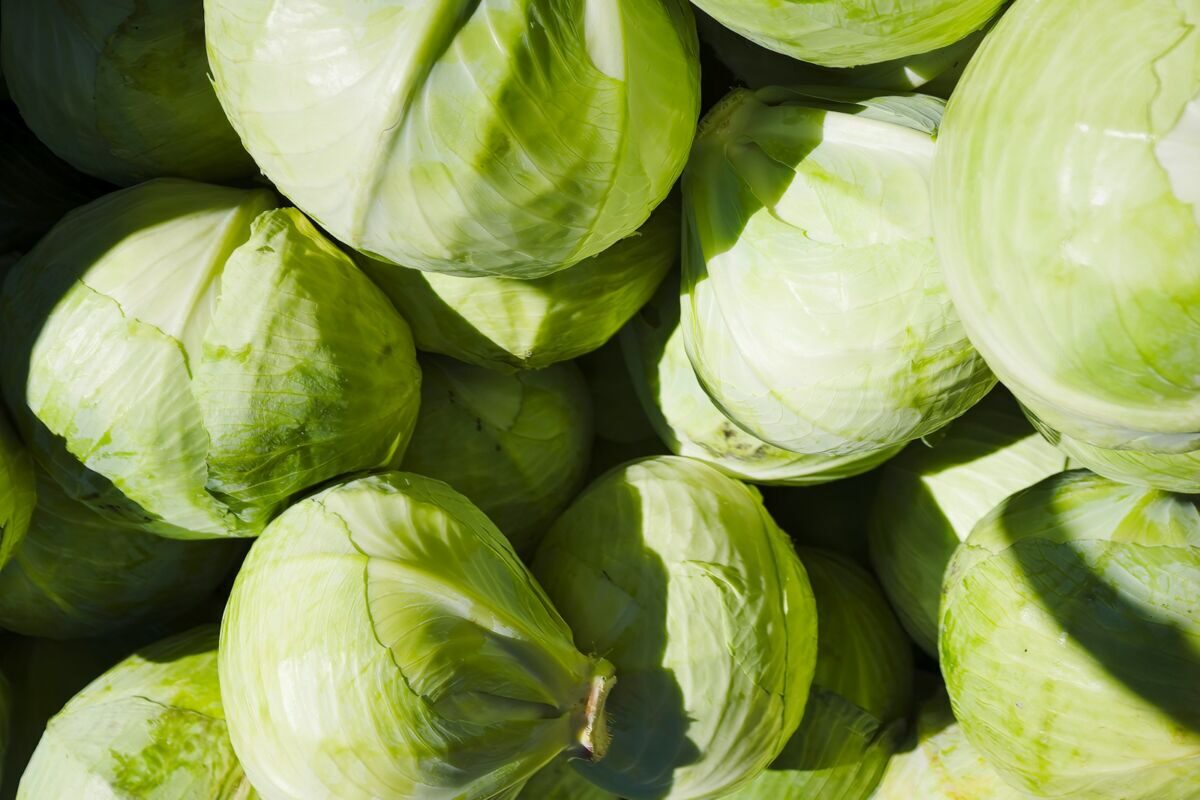
- Preparation of Leaves: Begin by selecting a fresh, firm head of green or red cabbage and removing the outer, damaged layers. Carefully peel away three to four large, intact leaves and rinse them under cool, running water.
- Mechanical Release: Place the leaves on a clean, flat surface and use a wooden rolling pin to gently bruise the veins. This process allows the natural fluids to reach the surface, which is essential for the effectiveness of the application.
- Temperature Adjustment: Many individuals prefer to chill the prepared leaves in the refrigerator for twenty minutes before use. Cold temperature remains a standard recommendation for managing the initial stage of soft tissue distress, as supported by guidance from the National Institutes of Health.
- Securing the Wrap: Wrap the prepared leaves firmly, though not too tightly, around the affected joint or limb. Use a soft cloth or a bandage to hold the vegetation in place while ensuring that circulation remains completely unimpeded.
- Restoration Period: Keep the application in place for at least one hour while sitting or lying down. This period of quiet rest is just as important as the physical application itself for supporting joint comfort.
Standard Comparisons Of Recovery Methods
| Method Type | Primary Action | Application Time |
|---|---|---|
| Cabbage Leaf | Soothing compression | 60 minutes |
| Ice Pack | Restricted blood flow | 15 minutes |
| Elevation | Gravity assistance | Continuous duration |
Supporting Joint Comfort With Nutrient-Dense Choices
Maintaining strong connective tissue starts with consistent internal support. Eating foods rich in vitamin C is essential, as this nutrient acts as a cofactor for the formation of collagen. The National Institutes of Health highlights how vitamin C contributes to the integrity of body structures throughout the life cycle.
Focus on incorporating colorful bell peppers, citrus fruits, and dark leafy greens into your daily rotation. These options provide the raw materials needed for structural maintenance. Pair these foods with adequate water intake to keep your tissues hydrated and pliable throughout the day.
Practical Steps For Consistent Application
Consistency defines the success of any natural wellness routine. I suggest keeping a journal to track how your body responds to various topical applications over a period of weeks. Accurate tracking helps you determine which plant-based methods suit your personal lifestyle.
Never rush the recovery process by forcing movement before the body is ready. Movement should remain gentle and pain-free during the initial phase of any discomfort. If you experience persistent issues, remember that the Centers for Disease Control emphasizes the importance of balanced movement and injury prevention strategies.
Frequently Asked Questions
Can I reuse the leaves for a second session?
Once you use a leaf for an application, it loses its structural integrity and moisture. I strongly suggest using fresh, crisp leaves for every new session to ensure the best possible contact with your skin. Using old, wilted plant matter will not provide the same cooling or soothing effect that fresh produce offers.
Bacteria can also multiply on damp, used vegetable matter if left at room temperature. Dispose of used leaves immediately after your session concludes to maintain a clean environment. Stick to fresh inventory for each individual application to prioritize safety and hygiene.
How tight should the bandage be during the process?
The wrap should feel secure enough to keep the leaves in place but loose enough to prevent restriction. You must be able to slide a finger easily between the bandage and your skin. Never compromise circulation for the sake of holding the leaves in place.
If you notice any numbness, tingling, or skin discoloration, remove the wrap immediately. Comfort should remain the goal of this practice. If the bandage feels restrictive or painful, loosen it right away to allow for normal blood flow.
Are red or green leaves better for this purpose?
Both varieties offer similar structural benefits for this kind of home practice. Some individuals prefer red cabbage due to the higher concentration of certain pigments that provide color, though the physical effect remains largely consistent across varieties. Choose whichever type is readily available at your local market.
Ensure the head of the vegetable feels firm and shows no signs of decay or damage. The quality of the leaf matters more than the specific color or type. Select a head that feels heavy for its size to ensure optimal freshness.
Should the application be kept at room temperature?
While the leaves work at room temperature, many people prefer a chilled application for extra comfort. Placing the leaves in the refrigerator for a short time can provide a pleasant contrast to a warm or throbbing joint. Do not freeze the leaves, as ice crystals will damage the plant cells and change their texture.
Cooling is a personal preference that can change based on the season or your own comfort level. Test both room temperature and chilled leaves to see which version feels more supportive. Always avoid placing frozen items directly against the skin to prevent tissue irritation.
How often is it appropriate to apply this method?
Most individuals find success with one or two applications per day during the initial phase of discomfort. Each session should last no longer than sixty minutes to allow the skin to breathe. Over-application can sometimes lead to mild skin irritation, so watch for any redness or sensitivity.
Listen to your body throughout the process to gauge how often you need this support. If the area feels better after a few days, you can naturally reduce the frequency of your applications. Consistency for a few days usually provides more clarity on the effectiveness of the method than sporadic, one-time use.
The Bottom Line
Using a cabbage wrap for ligament swelling is a simple, plant-forward way to support your body during quiet recovery. Nature offers many humble tools that can assist in managing daily discomfort without the need for complex intervention.
Monitor how your body responds to these techniques over the next few days. If the discomfort persists or increases, reach out to a professional to check the status of your joint. Never stop or change any medication without consulting the provider who recommended it. Consult a licensed healthcare provider before starting any new wellness routine.
Get Your FREE Natural Health Guide!
Subscribe now and receive our exclusive ebook packed with natural health tips, practical wellness advice, and easy lifestyle changes, delivered straight to your inbox.