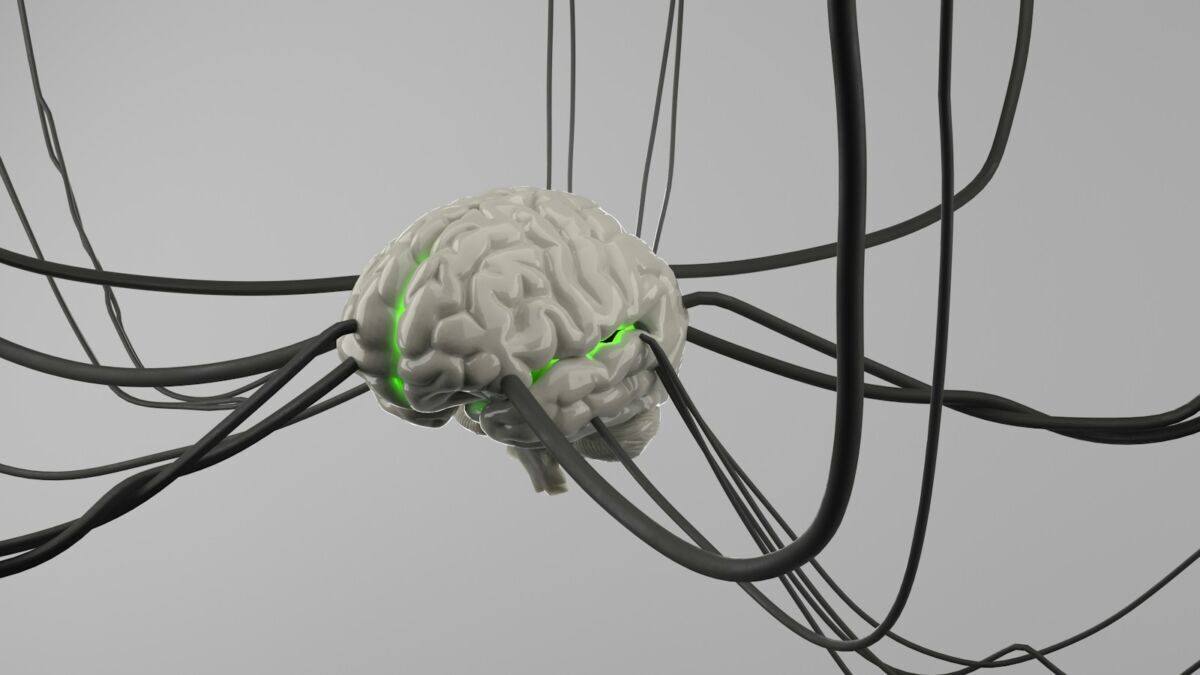

Practical Strategies for How to Naturally Increase Brain-Derived Neurotrophic Factor (BDNF)
I often wake up feeling a bit sluggish, searching for that extra spark of mental clarity to start my morning. We all look for ways to keep our minds sharp and resilient as we navigate the demands of a busy life. My research into cognitive longevity reveals that supporting specific proteins in the brain is a foundation for long-term health.
Brain-derived neurotrophic factor acts like a specialized fertilizer for your nerve cells. It encourages the growth and survival of these cells while helping them form new connections. Maintaining healthy levels of this protein is a primary goal for anyone interested in sustaining focus, memory, and overall neurological integrity over time.
You can naturally raise these protein levels through consistent physical movement, specific dietary adjustments, and disciplined sleep habits. Engaging in high-intensity cardiovascular activity and consuming nutrient-dense foods are among the most effective ways to promote this neuroprotective state. Always remember to check with a licensed healthcare professional before making major changes to your wellness regimen.
Key Takeaways
- Regular aerobic activity can elevate circulating levels of this protein by as much as 30 percent in healthy adults.
- Intermittent fasting cycles have been shown to influence the expression of genes related to synaptic plasticity and cellular repair.
- Research from the National Institutes of Health indicates that sustained movement is a primary driver for these positive physiological changes.
Simple Lifestyle Habits to Naturally Increase BDNF
- Aerobic Exercise Intensity: Moving your body in ways that elevate your heart rate remains the gold standard for promoting neurological growth. Aim for consistent sessions that push your limits just enough to trigger a physiological response.
- Intermittent Fasting Windows: Giving your system a break from digestion allows the body to prioritize internal repair processes. Spacing out meals often creates the environment necessary for specific growth factors to flourish within the brain.
- Omega-3 Fatty Acid Intake: Essential fats play a structural role in the membranes of your nerve cells. Sources like wild-caught salmon or flaxseeds provide the building blocks required for optimal signaling pathways.
- Curcumin Supplementation: This active compound found in turmeric exhibits properties that support healthy inflammation levels. Stable inflammation environments are necessary for the sustained expression of neuroprotective proteins.
- Quality Sleep Architecture: Deep sleep cycles are when the brain clears out metabolic waste and consolidates new information. Prioritizing seven to nine hours of restorative rest is non-negotiable for anyone focusing on brain health.
Movement Patterns for Cognitive Support
Physical activity does more than keep the heart healthy. Studies from the University of California systems suggest that muscle contractions release signaling molecules into the bloodstream that cross the blood brain barrier. These signals initiate the production of proteins that help neurons survive and thrive.
Focusing on interval training provides a more significant impact than steady state movement. By alternating between periods of high effort and active recovery, you force the body to adapt to changing metabolic demands. This adaptation process is exactly what triggers the release of the growth factors we want.
| Activity Type | Intensity Level | Primary Benefit |
|---|---|---|
| Interval Sprinting | High Effort | Rapid Growth Factor Release |
| Resistance Training | Moderate Load | Improved Synaptic Connectivity |
| Walking Outdoors | Low Impact | Reduced Systemic Inflammation |
Nutritional Foundations for Brain Health
What you put on your plate dictates the internal environment of your nervous system. Polyphenols found in dark berries and green tea act as messengers that tell the body to keep cells healthy. These compounds work alongside healthy fats to ensure your brain has the resources to repair itself daily.
The role of gut health is becoming increasingly clear in recent scientific literature. A diverse microbiome helps regulate the chemical signals sent to the brain via the vagus nerve. By incorporating fermented foods and high fiber vegetables, you support the internal communication lines that keep your cognitive function humming along.
Referencing guidance from the United States Department of Agriculture, maintaining a varied diet ensures you receive the vitamins and minerals necessary for protein synthesis. Focus on whole foods that provide steady energy rather than quick spikes. Consistency with these eating habits builds the foundation for long-term mental resilience.
The Math of Movement
To calculate your target intensity for stimulating neurological growth, use the heart rate reserve formula. Start by determining your maximum heart rate by subtracting your age from 220. For a 40 year old individual, this equals 180 beats per minute.
Next, find your resting heart rate. Subtract this number from your maximum heart rate to find your reserve. Aim to work within 70 to 85 percent of that reserve during your training sessions to achieve the intended physiological effect.
Frequently Asked Questions
Does caffeine impact my ability to produce these growth proteins?
Caffeine is a stimulant that can temporarily alter blood flow and focus levels. While some research suggests moderate coffee intake might support general brain function, relying on it too heavily can disrupt the sleep cycles needed for internal repair.
Focusing on natural energy sources through movement and balanced nutrition is a better long-term strategy. Never stop or change any medication without consulting the provider who recommended it.
How long does it take to see changes in mental clarity?
Changes in neurological markers do not happen overnight. Most individuals notice a shift in their daily focus after four to six weeks of consistent lifestyle changes.
Consistency is more important than intensity when you are starting out. Small, daily habits eventually lead to lasting changes in how you think and process information.
Can social connection affect these levels?
Loneliness can act as a stressor that negatively impacts brain health. Engaging in meaningful social interactions is a powerful way to reduce cortisol and create a stable internal environment.
Positive relationships act as a buffer against the negative effects of stress. Prioritize quality time with others to keep your nervous system balanced and thriving.
What role does hydration play in this process?
Every chemical reaction in your body requires water to function efficiently. Even mild dehydration can lead to brain fog and reduced cognitive speed.
Aim for consistent water intake throughout the day rather than drinking large amounts at once. Proper hydration supports the transport of the nutrients your brain needs for growth.
Are there certain times of day that are better for these activities?
Morning exercise often helps regulate your circadian rhythm and sets a positive tone for the day ahead. However, the timing is less important than the consistency of the habit.
Pick a time that you can commit to daily without fail. Reliability is the key to creating long term changes in your physiology.
The Bottom Line
Raising your levels of this vital brain protein involves a simple blend of movement, nutrition, and rest. By prioritizing cardiovascular challenge and quality sleep, you create an environment where your nerve cells can thrive. This approach to how to naturally increase brain-derived neurotrophic factor (BDNF) is about building sustainable habits that support your cognitive health for years to come.
Start by adding one 20 minute session of vigorous movement to your weekly routine and evaluate your energy levels. Consistency over time will yield the best results for your neurological health. Consult a licensed healthcare provider before starting any new wellness routine.
Get Your FREE Natural Health Guide!
Subscribe now and receive our exclusive ebook packed with natural health tips, practical wellness advice, and easy lifestyle changes, delivered straight to your inbox.