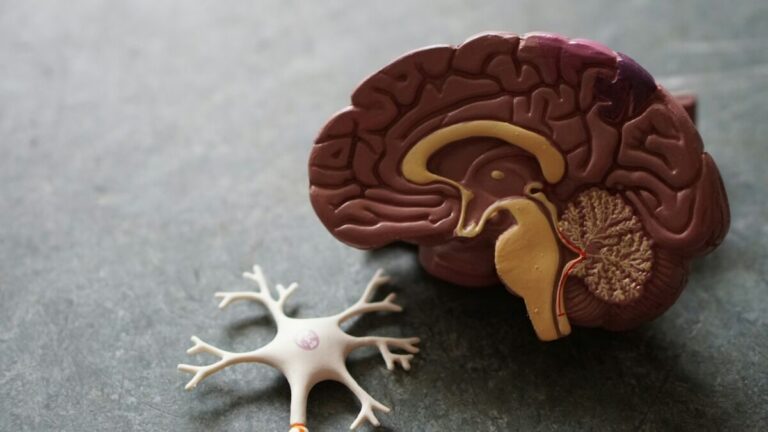
How the Vagus Nerve Supports Your Daily Mental Clarity remains a primary focus for individuals looking to understand the intersection of biology and focus. Most of us experience days where our brain feels like a browser with too many tabs open. We often ignore the physical signals our body sends until our concentration fades entirely.
The vagus nerve serves as the superhighway connecting the gut and the brain. It constantly relays data about our internal state to the central nervous system. When this nerve functions optimally, it promotes a state of calm that allows for sharper focus and better emotional regulation.
The vagus nerve influences mental clarity by regulating the parasympathetic nervous system, which counteracts the fight-or-flight response. By stimulating this nerve through controlled breathing or cold exposure, individuals can shift the body out of a stressed state and into a focused, alert mode. This transition allows the prefrontal cortex to operate without the interference of constant physiological alarm signals.
Key Takeaways
- The vagus nerve accounts for approximately 75 percent of all parasympathetic nervous system activity.
- Studies from the National Library of Medicine indicate that vagal tone correlates directly with heart rate variability and emotional resilience.
- Vagal stimulation can reduce systemic markers of inflammation by up to 30 percent in certain physiological contexts.
Biological Pathways Linking Neural Tone To Cognition
The cranial nerve known as the tenth cranial nerve acts as the primary communication link between the brain and major organs. It modulates the heart rate, digestive processes, and respiratory rhythm. This connection is not merely functional but fundamental to how we process external demands.
When this nerve sends signals of safety to the brain, cognitive processing becomes more efficient. Individuals with higher vagal tone report fewer instances of mental fog during taxing tasks. Research from National Institute on Aging resources highlights how autonomic stability protects brain health over time.
| System Component | Primary Function | Mental Impact |
| Parasympathetic Branch | Rest and digest | Lowers cortisol |
| Vagal Tone | Heart rate modulation | Improves focus |
| Neurotransmitter Flow | Gut brain signaling | Regulates mood |
Practical Methods For Engaging The Vagus Nerve
Improving how your body responds to stressors involves specific, non-invasive physical actions. You can integrate these movements into a daily rhythm without needing specialized equipment. Consistency remains the most important factor in seeing any noticeable change.
- Deep Diaphragmatic Breathing involves inhaling for four seconds and exhaling for eight seconds. The longer exhale stimulates the parasympathetic branch. Repeat this cycle five times each morning.
- Cold Water Exposure to the face triggers the mammalian dive reflex. Splash freezing water onto your cheeks for thirty seconds to prompt an immediate neural shift.
- Controlled Humming or chanting creates vibrations in the vocal cords which are physically located near the nerve pathways. This subtle physical movement encourages a calm neural state.
Demonstrating Neural Regulation Through Heart Rate Variability
Heart rate variability serves as the gold standard for measuring the activity of this cranial nerve. It tracks the time interval between individual heartbeats rather than the beats per minute. A higher variability indicates that the body can shift quickly between states of relaxation and alertness.
To calculate your own relative shift, use a simple tracking device during a period of meditation. First, record your baseline heart rate variability during a high stress work project. Next, perform five minutes of slow, intentional belly breathing while seated.
Finally, measure your heart rate variability again immediately after the session. Most individuals will see a measurable increase in their score within minutes of focused breathwork. This numeric change represents the direct impact of physical intervention on neural state.
The Role Of The Gut Microbiome In Neural Signaling
The gut is often called the second brain because it contains a massive network of neurons. This digestive system communicates with the brain primarily through the tenth cranial nerve. What we consume affects the signals sent upward to our cognitive centers.
Maintaining a diverse internal environment supports the integrity of the gut lining. High levels of fiber and fermented foods contribute to a balanced state that supports neural health. Information provided by the National Institutes of Health emphasizes that gut health is inseparable from systemic wellness.
Addressing Common Physical Barriers To Focus
Physical tension often blocks the natural flow of neural signals. When our shoulders are tight or our jaw is clenched, we inadvertently signal distress to the brain. This creates a loop that prevents true mental clarity from taking hold.
- Muscle Release techniques such as targeted jaw massage help loosen areas where we hold stress.
- Posture Correction prevents the restriction of airflow that can hinder respiratory efficiency.
- Nature Exposure provides sensory inputs that naturally lower physiological arousal levels.
Frequently Asked Questions
How does breathing directly influence cranial nerve activity?
The nerves in the diaphragm respond to the physical movement of the lungs during slow, deep breaths. This movement sends a physical message to the brainstem to shift the body into a state of rest.
By lengthening the exhalation, you override the sympathetic drive. This ensures the body prioritizes recovery over defense mechanisms.
Can diet impact the functionality of this specific nerve?
The gut microbiome produces chemicals that signal the brain via the neural pathways running up the digestive tract. An environment lacking sufficient fiber can alter these signals in negative ways.
Focusing on anti-inflammatory nutrients ensures that the communication highway remains clear. Stable gut health allows for more consistent cognitive performance throughout the day.
What is the most effective time to practice vagal stimulation?
Many individuals find success performing these techniques during transitional moments in their day. Trying these exercises upon waking helps set a stable baseline for the morning hours.
Alternatively, using these methods before a demanding project can help clear mental clutter. Experiment with timing to determine what works best for your specific schedule.
Are there any risks associated with these physical exercises?
These natural practices are generally gentle and safe for most healthy adults. However, individuals with heart conditions or low blood pressure should be mindful of how rapid changes in heart rate affect them.
Pay attention to your body during any exercise. If you feel lightheaded, stop the practice immediately and return to a normal breathing rhythm.
How long does it take to notice improvements in clarity?
Small changes in physiological state occur during the very first session of deep breathing or cold exposure. You may feel a subtle shift in mental focus almost instantly.
Long term benefits require ongoing attention to these habits. Regular practice over several weeks helps build a foundation of consistent cognitive resilience.
The Bottom Line
How the Vagus Nerve Supports Your Daily Mental Clarity is a matter of understanding your own physiological signals. By prioritizing slow breaths and sensory-based calming techniques, you can effectively manage the tension that clouds your thinking.
Start by integrating three minutes of intentional breathing into your morning routine this week. Never stop or change any medication without consulting the provider who recommended it. Consult a licensed healthcare provider before starting any new wellness routine.
Get Your FREE Natural Health Guide!
Subscribe now and receive our exclusive ebook packed with natural health tips, practical wellness advice, and easy lifestyle changes, delivered straight to your inbox.