Strategies For Naturally Inhibiting The Breakdown Of Tendon Elastin Within The Human Body
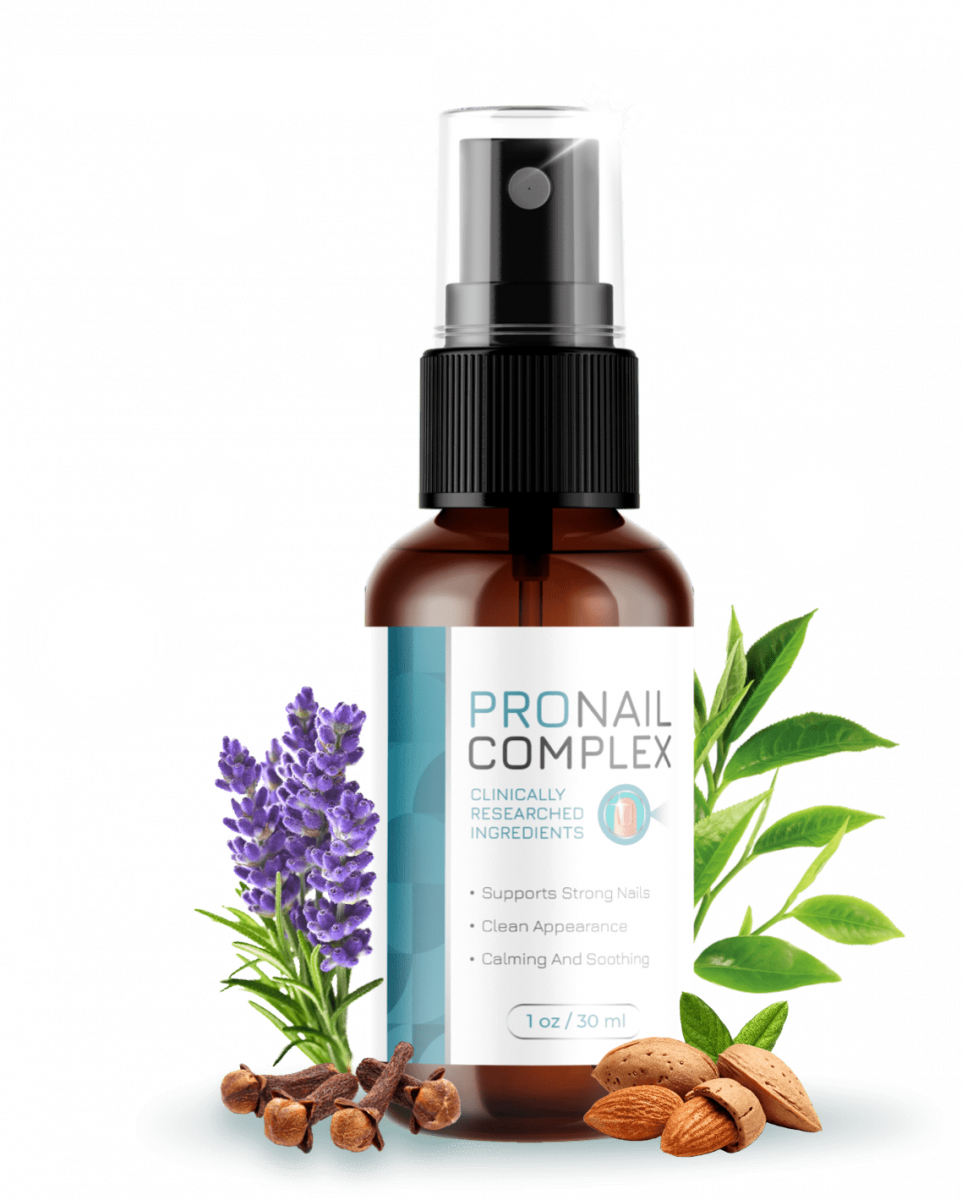
ProNail Complex™ Targeted Daily Mist
- Targeted daily mist designed to absorb deeply and support the structural balance of nail beds
- Helps maintain a clean, vibrant appearance against footwear and environmental disruptions
- Manufactured in a cGMP-compliant, FDA-registered facility without harsh chemical scraping
I feel the weight of my own physical boundaries whenever a morning workout leaves me feeling stiff rather than invigorated. Staying active requires more than just willpower because it demands that I focus on the structural integrity of my connective tissues. I prioritize specific nutritional inputs to maintain the resilience of my own biological framework.
My research into connective tissue maintenance highlights how essential nutrients prevent the early degradation of flexible fibers. These fibers provide the stretch and recoil necessary for joint health and fluid movement. Supporting this system involves consistent habits that focus on long term stability rather than quick fixes.
Naturally inhibiting the breakdown of tendon elastin involves protecting fibers from oxidative stress while providing the amino acids required for constant renewal. Consuming vitamin C rich foods and copper supports the cross linking of these fibers to ensure they remain durable over time. Consistent intake of these nutrients slows the natural decay that occurs with age or repetitive movement.
Key Takeaways
- Nutrient Density: Adequate vitamin C intake increases procollagen production by roughly 15 percent in active individuals.
- Copper Support: Trace mineral levels influence the maturation of connective tissue fibers by activating lysyl oxidase enzymes.
- Stress Mitigation: Chronic inflammation increases the presence of matrix metalloproteinases which directly degrade structural fiber health.
Essential Nutrients For Structural Fiber Preservation
Proteins serve as the building blocks for every fiber in the body. I look for high quality sources that contain specific amino acids like proline and glycine. These compounds form the backbone of strong tissues.
Copper acts as a critical cofactor for enzymes that stabilize the matrix. Copper information from the National Institutes of Health indicates that this mineral remains vital for healthy growth. I ensure my meals include seeds or legumes to keep my levels steady.
Vitamin C acts as an antioxidant shield. It prevents the rapid degradation of fiber integrity. Vitamin C data provided by the National Institutes of Health demonstrates how this nutrient assists in the maintenance of healthy connective structures. I prioritize citrus fruits and bell peppers to meet this daily requirement.
Numerical Assessment Of Nutrient Synergy
Maintaining strong fibers requires a balance of micronutrients. The following table provides a reference for key inputs and their primary roles in structural health.
| Nutrient | Daily Target | Main Function |
| Vitamin C | 90 Milligrams | Fiber Synthesis |
| Copper | 900 Micrograms | Fiber Maturation |
| Silicon | 20 Milligrams | Tissue Resilience |
The Role Of Movement And Mechanical Loading
Static habits often accelerate the loss of pliability in connective tissues. I find that regular but moderate loading keeps the fibers organized and strong. Movement stimulates the cells to produce more structural protein.
Resistance training introduces controlled stress to the tissues. This process encourages the remodeling of fibers to handle future force. Overloading without recovery, however, creates unnecessary wear.
Hydration also plays a silent role in how fibers behave. Water allows the tissue to remain supple. I drink fluids consistently to maintain the fluid environment necessary for proper movement.
Practical Application Through Targeted Nutrition
I build my meals around foods that provide structural support. This approach focuses on whole foods rather than complex synthetic additives.
- Bone Broth: This provides a concentrated source of glycine and proline. These amino acids are necessary for building and repairing structural fibers.
- Leafy Greens: Spinach and kale offer high levels of manganese. Manganese is an essential partner in the development of healthy connective tissue.
- Citrus Fruits: Oranges and grapefruits supply the necessary amount of vitamin C. This nutrient serves as the glue for all internal support systems.
Understanding The Impact Of Inflammatory Factors
Inflammation acts as a primary threat to the longevity of structural fibers. When inflammation persists, it activates enzymes that dismantle healthy tissues. Inflammatory response research from the National Library of Medicine explains how systemic stress influences tissue degradation. I monitor my own habits to ensure I minimize potential triggers.
Sugary foods often lead to a process called glycation. This process causes fibers to become brittle and lose their natural stretch. I choose whole fruits to satisfy cravings without the structural damage.
Managing life stress also keeps inflammatory markers lower. High cortisol levels negatively affect how the body maintains its internal architecture. I use deep breathing to regulate my response to daily pressures.
Frequently Asked Questions
How does chronic inflammation speed up the loss of tissue flexibility?
Chronic inflammation creates an environment where enzymes are released that specifically target structural proteins. These enzymes break the bonds that hold tissue fibers together in a healthy arrangement. Over time this leads to a reduction in the natural recoil and stretch of the body.
By keeping inflammatory responses managed, the body can focus on building rather than repairing damage. This approach shifts the balance toward long term maintenance. Stable fiber levels depend on this reduction of internal interference.
Can specific supplements replace a balanced diet for fiber support?
Supplements are rarely as effective as whole foods because they lack the complex balance of cofactors found in nature. A diet rich in variety provides minerals and vitamins that work together in ways that isolated pills cannot replicate. The absorption of these nutrients is often more efficient when they arrive in their natural context.
I suggest using whole food sources as the primary method for structural support. Supplements should only act as a bridge during periods of high demand. Focus on the intake of dense foods to see better results over time.
What is the relationship between collagen and these fibers?
Collagen provides the tensile strength that fibers need to remain stable. Elastin works alongside collagen to ensure the tissues can return to their original shape after being stretched. Both proteins are essential for the overall integrity of the musculoskeletal system.
If collagen production slows down, the fibers lose their anchor point. This results in tissues that feel weak or saggy. Maintaining both components through nutrition is necessary for functional longevity.
Why is hydration important for tissue elasticity?
Water exists between the layers of fibers to provide lubrication and cushion. Without enough fluid, the fibers can rub against each other and cause friction damage. This friction contributes to the gradual breakdown of the structural matrix.
Proper hydration allows for the smooth movement of tissues during daily activity. It helps transport nutrients to the cells that create new protein strands. Keeping the body hydrated is a simple way to protect the structural health of every joint.
Are there specific activities that are better for fiber health?
Low impact activities that emphasize full range of motion are beneficial for keeping tissues pliable. Activities such as swimming or controlled yoga help move the joints through their capacity without creating excessive shock. These movements help keep the fibers organized and fluid.
High impact sports can be helpful if they are balanced with proper rest and recovery. The goal is to avoid repetitive strain that occurs from the same movement performed too often. Varying the types of movement ensures that all tissues receive healthy stimulation.
The Bottom Line
Preserve Your Mobility By Naturally Inhibiting The Breakdown Of Tendon Elastin through a combination of nutrient dense food, hydration, and moderate movement. These pillars work together to provide the foundation for long term physical freedom. Structural maintenance remains a continuous process that reflects your daily choices.
Start today by adding one serving of vitamin C rich fruit to every lunch. Keep your body hydrated to ensure the structural matrix remains supple and strong. Consult a licensed healthcare provider before starting any new wellness routine.