Understanding The Role Of Alpha-Lipoic Acid In Protecting Against Noise Damage
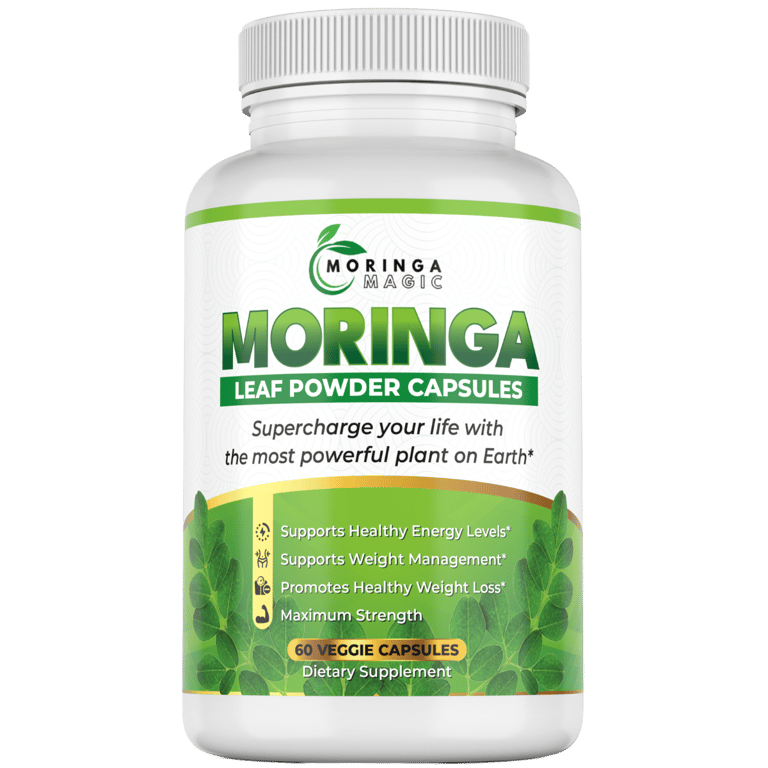
Moringa Magic™ Plant-Based Routine
- Highly bioavailable, plant-based routine designed to provide foundational nutritional support
- Helps your body optimize daily nutrient absorption and address hidden nutrient gaps
- Manufactured in a cGMP-compliant, FDA-registered facility without heavy stimulants
Living in a world filled with constant auditory stimulation creates significant stress for our delicate internal systems. We often focus on external barriers like earplugs, but internal resilience remains a vital frontier for those interested in wellness. Can Alpha Lipoic Acid Help Protect Your Hearing Health remains a frequent inquiry among individuals seeking to maintain long-term sensory function through nutrition.
Internal environmental stressors trigger cycles of cellular fatigue within the inner ear structures. When sound waves become too intense, the microscopic pathways that transmit data to the brain experience wear and tear. Finding ways to support these internal components through dietary intake forms the basis of many current research projects.
Alpha-lipoic acid serves as a potent antioxidant that assists in neutralizing cellular stress after exposure to high volume environments. Its ability to cross cellular membranes allows it to support the delicate structures within the cochlea during periods of acoustic strain. Research suggests that maintaining adequate levels of this compound may help preserve the integrity of hair cells against environmental stressors.
Key Takeaways
- Studies indicate that sound exposure can reduce cellular antioxidant concentrations by up to 40 percent in exposed auditory tissues.
- The human body produces alpha-lipoic acid in small amounts, but concentrations in mitochondrial-dense tissues often benefit from additional dietary support.
- Evidence from the National Institutes of Health highlights the importance of minimizing sustained exposure to loud environments to support overall longevity of function.
Metabolic Support For Auditory Resilience
The inner ear demands high energy output to function correctly. This energy production creates byproducts that can cause internal fatigue if not balanced properly. Antioxidants act as the primary defense system against this buildup of waste.
The compound in question functions as a universal antioxidant because it works in both water and fat environments. This dual nature makes it uniquely capable of reaching the deep tissues of the inner ear. It also helps regenerate other antioxidant molecules, which increases the total efficiency of the body’s natural defense systems.
Research published by the National Library of Medicine emphasizes how specific nutrients contribute to maintaining structural integrity in various tissues. By ensuring a steady supply of these cofactors, individuals may support their natural defense systems against external pressure. This approach prioritizes internal balance as a foundation for long-term health.
Comparing Antioxidant Profiles For Cellular Health
Evaluating how different compounds contribute to cellular stability helps clarify why certain nutrients gain attention. The following table displays typical characteristics of common antioxidants found in daily routines.
| Antioxidant Compound | Primary Function | Solubility Profile |
|---|---|---|
| Alpha-lipoic acid | Regenerates other antioxidants | Water and fat soluble |
| Vitamin C | Neutralizes free radicals | Water soluble only |
| Vitamin E | Protects cell membranes | Fat soluble only |
Demonstrating The Calculation Of Nutritional Support
Establishing a baseline for daily support requires understanding how much of a nutrient the body can process. Consider a hypothetical scenario where an individual aims to support their systemic antioxidant levels through food sources alone.
- Identify natural sources: Spinach, broccoli, and organ meats provide measurable amounts of the target compound.
- Estimate dietary intake: A standard serving of spinach provides roughly 0.5 milligrams of naturally occurring acids.
- Calculate total availability: To reach higher concentrations, an individual would need to ingest several kilograms of these vegetables per day.
This demonstration highlights why supplemental intake often becomes the focus for those seeking targeted results. Food alone rarely provides the high concentrations required for the effects seen in experimental models. Precision matters when targeting specific biological outcomes.
Practical Approaches To Daily Wellness Habits
Consistency creates the best foundation for any wellness goal. Integrating support for your senses starts with identifying periods of high environmental stress. Whether attending a loud concert or commuting through heavy traffic, acknowledging these moments allows for better planning.
Many people find that keeping a log of their daily environments helps them manage their sensory health. Understanding when to use hearing protection provides a mechanical defense that works alongside internal nutritional support. Combining these strategies yields better results than relying on a single method.
Data from the Centers for Disease Control explains the threshold levels where sound becomes damaging. Staying below these decibel markers remains the most effective way to prevent long-term issues. Use caution and prioritize quiet environments whenever possible.
Frequently Asked Questions
Does the body produce enough alpha-lipoic acid naturally?
The body synthesizes small quantities of this compound within the mitochondria for basic metabolic processes. These amounts are sufficient for standard energy needs during quiet periods of life.
However, the capacity for production tends to decrease as individuals age or face chronic environmental stressors. External supplementation is often considered when natural production fails to meet the increased demand of a modern environment.
Can this nutrient repair existing auditory damage?
The current scientific consensus suggests that most cellular damage to the inner ear is permanent. Antioxidants function best as a preventative strategy to strengthen tissues against future strain rather than as a repair mechanism for past events.
Focusing on preservation ensures that existing health remains stable. Prioritizing protective habits remains the most effective path forward for maintaining sensory longevity.
What are the safest ways to increase intake?
Incorporating nutrient-dense whole foods like leafy greens and cruciferous vegetables serves as a safe starting point. These foods provide a wide array of cofactors that work in harmony.
For those looking toward isolated supplements, starting with low doses helps monitor individual tolerance. Always source items from reputable manufacturers to ensure quality and purity of the ingredients.
Are there interactions with common medications?
Many supplements can alter the way the body processes other substances. It is important to review your current intake with a healthcare professional before adding new items to your daily routine.
Never stop or change any medication without consulting the provider who recommended it. They can offer guidance based on your specific history and current wellness status.
How long does it take to notice changes?
Biological shifts related to nutritional intake occur gradually over weeks or months. Wellness is a process of consistent habit rather than immediate, drastic changes.
Patience remains essential when adjusting your nutritional intake. Tracking how you feel over a long period provides more accurate information than looking for sudden effects after a few days.
The Bottom Line
Can Alpha Lipoic Acid Help Protect Your Hearing Health depends on a holistic view of how we treat our sensory systems. While this specific antioxidant offers significant benefits for cellular stability, it works best as part of a broader strategy that includes sound management and protective gear. Relying on nutrition alone ignores the mechanical realities of sound exposure.
Begin by auditing your daily noise exposure and identifying quiet windows in your schedule. Consult a licensed healthcare provider before starting any new wellness routine.
This information is for educational purposes only and should not replace professional medical advice. Never stop or change any medication without consulting the provider who recommended it. Consult a licensed healthcare provider before starting any new wellness routine.
Get Your FREE Natural Health Guide!
Subscribe now and receive our exclusive ebook packed with natural health tips, practical wellness advice, and easy lifestyle changes, delivered straight to your inbox.